
If you keep waking up with itchy bites and can’t figure out why, you’re definitely not alone. Bed bugs, mosquitoes, fleas, midges, and mites are the usual nighttime culprits in the UK.
Each bug leaves its own kind of mark. If you know what’s biting you, you’ll deal with the problem a lot faster.
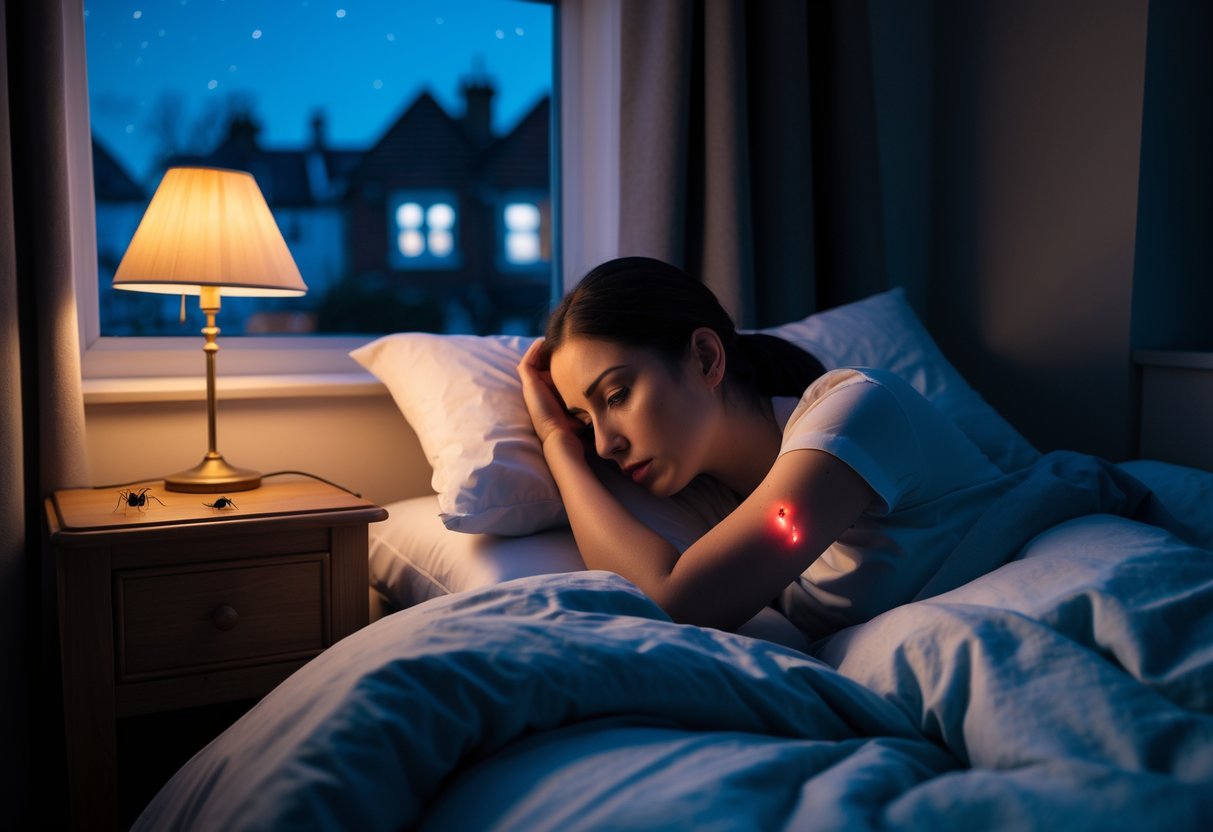
Most people blame bed bugs, but honestly, plenty of other pests sneak in while you’re asleep. Some bugs bite in clusters, others just leave a few red spots here or there.
Spotting these differences can make a big difference in finding the right fix.
It’s frustrating not knowing what’s causing those bites, right? Once you get a sense of which bugs are active at night and how to spot their marks, you’ll have a better shot at sleeping well again.
If you want more details on UK night biters and how to spot them, check out this guide.
Common Night-Time Biting Insects in the UK
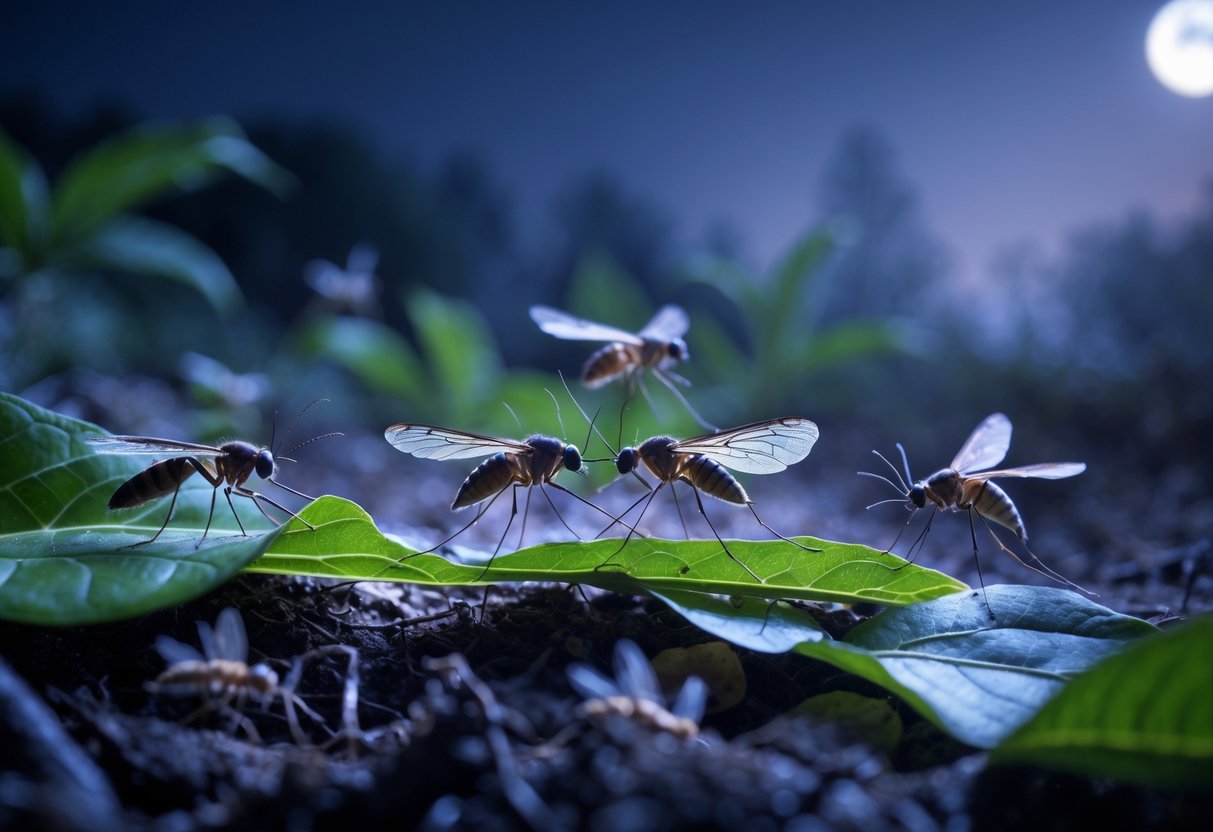
Waking up with itchy bites? You’re probably dealing with insects that get busy at night. Some hide out in your bedding or furniture, while others just fly in from outside.
Knowing who’s biting—and how they act—makes it easier to get rid of them.
Bed Bugs and Bed Bug Bites
Bed bugs are small, flat, and reddish-brown. They hide in cracks around your bed, mattress seams, and furniture.
At night, they come out to feed on your blood, usually while you’re sleeping. Bed bug bites show up as small red welts, often in a line or cluster on skin that’s exposed, like your arms, neck, or legs.
Sometimes the bites itch, but not everyone reacts. If you spot tiny blood dots on your sheets or notice a weird musty smell, those could be bed bug clues.
Getting rid of bed bugs takes a thorough clean-up and sometimes you’ll need a pest control pro. Learn more about bed bugs.
Fleas and Flea Infestations
Fleas usually hitch a ride in on pets like cats and dogs, but they’ll also live in carpets or upholstery. Their bites look like small, red bumps, often with a red halo.
You’ll mostly find flea bites in clusters around your lower legs and ankles. Fleas move fast and they’re tough to spot.
If your pet scratches more than usual or you spot flea dirt (tiny black specks), you might have a flea problem. Treating fleas means cleaning your pets, washing bedding, and sometimes using insecticides at home.
Their bites itch and irritate, so act quickly to stop it getting worse. More about fleas and infestations is available here.
Mosquitoes and Mosquito Bites
Mosquitoes show up in the UK during warmer months, especially at night or around dusk. Their bites turn into swollen, itchy red bumps, usually with a tiny puncture mark in the middle.
They love exposed skin—arms, face, whatever’s not covered. Mosquitoes breed in standing water, so get rid of puddles or water in plant trays to help keep them away.
Try insect repellent and window screens to stop them getting into your bedroom. You can find tips on preventing bites from mosquitoes here.
Midges, Gnats, and Other Biting Insects
Midges and gnats are tiny flying bugs that bite mostly at dusk and dawn. Midges leave small, itchy red spots, sometimes in groups.
You’ll find them near rivers, lakes, and damp places. Unlike mosquitoes, midges don’t spread diseases, but their bites can drive you up the wall.
Other insects—like horseflies or small ants—might bite at night, but they’re not as common indoors. Protective clothing and insect screens help, especially if you’re staying out in the countryside. Read more about these biting pests here.
Recognising Bites, Symptoms, and Effective Treatment

If something bites you at night, you’ll want to spot the signs quickly. Every insect bite or sting leaves its own mark and symptoms.
Figuring out how to treat bites safely—and knowing when to get help—can really make a difference.
Identifying Bite Marks and Allergic Reactions
Bite marks can point you to the culprit. Bed bug bites usually show up as small, red, itchy bumps in a line or cluster.
Tick bites often leave a red spot that can get bigger and sometimes look like a bullseye, which is a warning sign for Lyme disease. Ant bites (especially from red ants) hurt and cause a bit of swelling.
Wasp or hornet stings? Those usually sting sharply, then turn red and swell up. If you notice trouble breathing, your face or throat swelling, hives, or muscle spasms, you need medical help right away.
Safe Home Remedies and When to Seek Medical Help
You can treat most bites at home. Try an ice pack to bring down swelling and use anti-itch creams or antihistamines if you’re really itchy.
If it hurts, take some paracetamol or ibuprofen. Clean the bite with soap and water to help avoid infection.
See a doctor if a bite looks infected—think red streaks, pus, or spreading redness—or if you get a fever. For tick bites, remove the tick carefully (don’t burn or squeeze it), and watch for any Lyme disease signs.
If you get a serious allergic reaction or a wasp sting causes swelling and trouble breathing, head to the emergency room right away.
Preventing Bites and Professional Pest Control
If you want to avoid bites at night, try using insect repellents with DEET. Keep your bedding clean—seriously, it makes a difference.
Seal up any cracks where bugs might sneak in. I’d also recommend a mattress cover; it does a pretty good job at keeping bed bugs and mites away.
When you notice a lot of insects or just can’t seem to stop the bites, it’s probably time to call in the pros. Pest control experts can track down infestations and get rid of them safely.
They’ll handle wasps, hornets, ants, and even spider nests way more effectively than any DIY trick. Plus, they know how to keep your family and pets out of harm’s way.


