
If you’ve ever gotten stung by a bee, you know just how annoying that pain and itching can be. It’s natural to wonder how long that irritation will stick around.
Most of the time, pain and itching from a bee sting fade in a few hours to a few days, but swelling might hang on for up to a week.
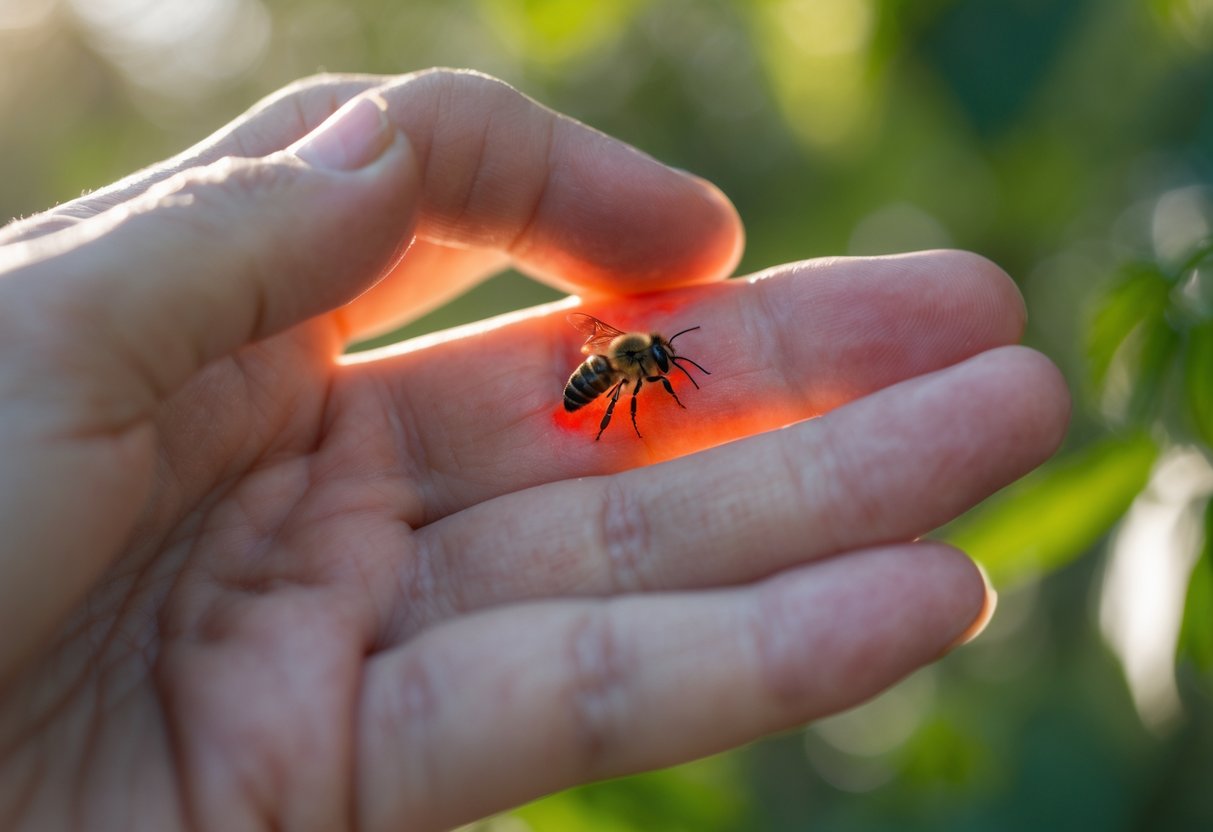
Your body’s reaction really decides how long the irritation lasts. If you only get a mild sting, the itching and pain can disappear pretty quickly.
But if you end up with more swelling or a bigger reaction, the irritation might take longer to calm down. It helps to know what to expect so you don’t make things worse.
Duration and Causes of Bee Sting Irritation
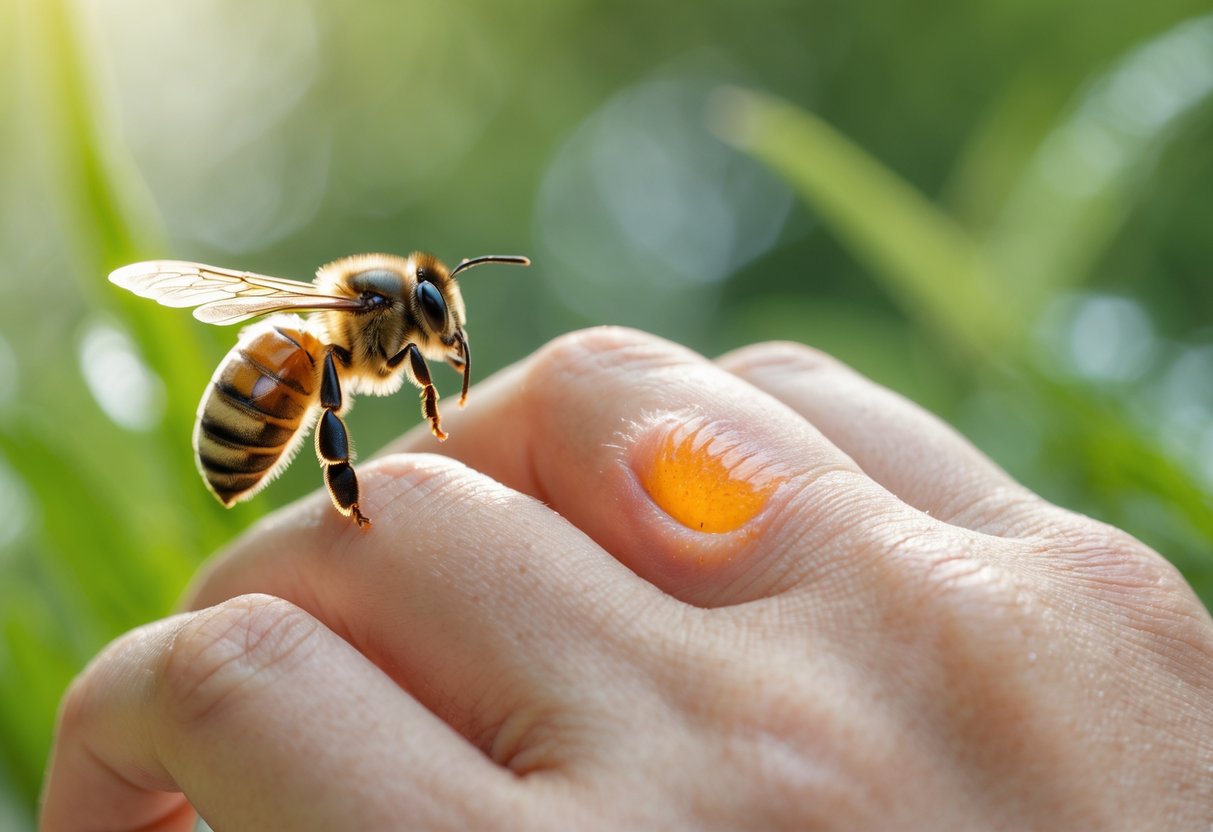
When a bee stings you, your skin reacts to the venom, and that’s what brings on the irritation. How long it lasts and how bad it feels? That depends on a few things.
You’ll see what affects the pain, itching, or swelling and how bee stings differ from wasp stings.
How Long Can Bee Sting Irritation Last?
Usually, bee sting irritation sticks around for a few hours to several days. The sharp pain and burning go away in about 1 to 2 hours.
Swelling and redness might linger for 1 to 3 days. Sometimes, the itching keeps going for a few hours or even a whole day, especially if the sting is small.
People who are more sensitive might feel irritated for up to a week. If you have an allergic reaction, symptoms can last even longer, and you’ll need a doctor.
For more details on the timeline and treatment, you can check out how long bee sting irritation lasts.
Factors That Influence Irritation Duration
A few things change how long your bee sting bothers you. Your body’s immune system plays a big part.
If you’ve been stung before, you might react differently—sometimes faster, sometimes stronger.
Other things that matter:
- Age: Older adults usually heal a bit slower.
- Number of stings: More stings mean more swelling and often longer irritation.
- Where you got stung: Spots like your face or thinner skin swell up more.
- How fast you remove the stinger: Getting it out quickly helps a lot.
- Allergies: If you’re allergic, swelling and itching stick around longer.
You can help yourself by cleaning the area and using cold packs or anti-itch creams.
Difference Between Bee and Wasp Stings
Bee and wasp stings both cause irritation, but they’re not quite the same. Bees leave their stinger behind, and it keeps releasing venom, so it’s best to remove it as soon as you can.
Wasps don’t leave their stingers, and they can sting you more than once. The amount of venom per sting is usually less than a bee’s.
Wasp stings often hurt sharply and swell up, but the irritation might not last as long unless you get stung a bunch of times.
Both types can trigger allergic reactions, though, and the irritation can vary in size and how long it lasts. Knowing the difference helps when you’re treating a sting or wondering if you need a doctor.
You can read more about treating insect stings from experts on bee sting reactions.
How to Relieve and Manage Bee Sting Irritation
When a bee stings you, the itching, swelling, and pain can feel pretty uncomfortable. Acting quickly with the right steps can make a big difference.
It’s good to know what to use and when you should get help.
Recommended Immediate Actions
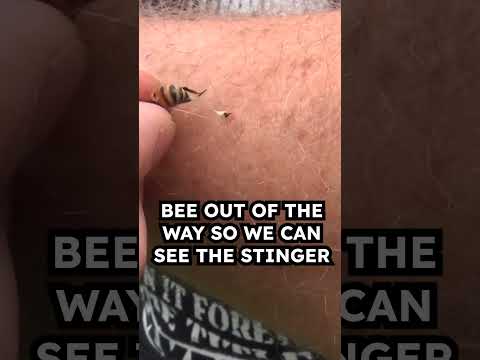
First, get the stinger out as soon as you can. Use something flat, like a credit card, to scrape it away.
Try not to pinch the stinger, since that can squeeze more venom into your skin.
Wash the area gently with soap and water. This helps prevent infection.
A cold compress can bring down swelling and numb the pain. Hold it on for 10 to 15 minutes, and you can repeat this every hour if it still hurts.
If you stay calm, your heart rate won’t speed up, which keeps the venom from spreading quickly. Keep the stung area still and lower than your heart to help with swelling.
Over-the-Counter Solutions for Itching and Swelling
If you’re dealing with itching or swelling, over-the-counter stuff can really help. Antihistamines like diphenhydramine or loratadine cut down on itching and hives.
Hydrocortisone cream works well for redness and swelling. Just follow the package directions for how often to put it on.
You can take painkillers like ibuprofen or acetaminophen for pain. Try not to scratch the sting area—scratching can damage your skin or cause an infection.
Recognizing Severe Allergic Reactions
Most bee stings only cause mild symptoms, but some people react badly. Watch for trouble breathing, swelling in your face, lips, or throat, a fast heartbeat, dizziness, or hives that spread.
Those symptoms might mean anaphylaxis, which is life-threatening and needs immediate treatment. Don’t ignore breathing problems or confusion.
If you know you’re allergic to bees, you should carry an epipen. It delivers a quick shot of epinephrine and can save your life.
When to Seek Medical Help
Call your doctor or head to the emergency room if you notice severe allergic reactions. If itching and swelling keep getting worse after 48 hours, that’s another sign you need help.
Watch out for infection around the sting—things like more redness, warmth, pus, or sharp pain should get checked out.
Not sure about your allergy status? If you suddenly have trouble breathing or your throat starts swelling, don’t wait—call emergency services right away.
Quick action can stop things from getting worse. Plus, your doctor can give you prescription meds if you need them.


