
If you’re curious about what colors bees don’t like, here’s the short version: bees usually steer clear of dark shades like black, brown, and especially red.
Bees either see these colors as threats, or they just can’t really see them at all, so they avoid flowers and objects in those colors.
That’s actually pretty handy if you’re trying to keep bees away, or you want a garden that doesn’t turn into a bee hotspot.

You might not expect this, but bees don’t pay much attention to white, light brown, or beige either.
Unlike those bright pops of yellow, blue, and purple that bees flock to, these muted tones just don’t do it for them.
If you’re picking out clothes or planning your backyard and want to avoid bee encounters, knowing this can save you some trouble.
Learning how bees see color and what they avoid is actually pretty useful if you spend time outside.
Want to dig a little deeper into which colors keep bees away and why? Stick around, because there’s more you can do with this info than you’d think.
You can check out more details about bee color preferences here.
Colors That Bees Are Not Attracted To

Bees don’t see all colors the way we do. Some colors just blend into the background for them, or they don’t pop out the way bees need to find flowers.
If you know which colors bees ignore, you can pick plants that either attract them or keep them away.
Red Flowers and Their Effect on Bee Attraction
Bees have these compound eyes, but they can’t see red at all. They just don’t have the right photoreceptors for it.
So, to a bee, red flowers look kind of dark or gray—basically invisible.
That means red flowers aren’t going to pull in a lot of bees, even if we think they’re super bright.
But, if a red flower smells great or has loads of nectar, bees might still check it out anyway.
If you’d rather not attract bees, planting red flowers is a pretty solid move, since bees go for blue and violet way more.
Black and Dark Colors as Bee Deterrents
Dark colors like black, brown, and navy blue soak up most of the light and UV rays bees use to get around.
Bees depend on ultraviolet light to locate nectar, so these dark colors just don’t show up for them.
Black flowers won’t reflect the light bees use to spot patterns, so bees usually skip them.
If you want fewer bees hanging around, try adding dark flowers or plants with dark leaves.
Just remember, other bugs might not care about these colors the same way bees do.
White Flowers and Visual Contrast Issues
White flowers bounce back a lot of light, but they don’t have those UV patterns bees need to find nectar.
To bees, white just doesn’t give the same visual clues as yellow or blue.
That’s why white flowers don’t get as many bee visitors as colors loaded with UV reflection.
Some bees might still land on white flowers, but they’re not the top pick if other options are around.
Wearing white can also make you less interesting to bees, since it doesn’t grab their attention.
Other Colors Less Appealing to Bees (Brown, Gray, Orange, Pink)
Brown and gray are pretty dull for bees, especially in the ultraviolet range.
These colors just blend in with everything else, so bees don’t really notice them.
Orange and pink can bring in a few bees, but blues and violets do a much better job.
Orange kind of sits in a weird spot for bees, and pink can go either way depending on its shade and how it reflects UV.
If you’re aiming for a chill garden with fewer bees, picking flowers in these less-attractive colors can help.
For more info on what bees like or don’t like, check out this article on colors that don’t attract bees.
Why Certain Colors Repel Bees
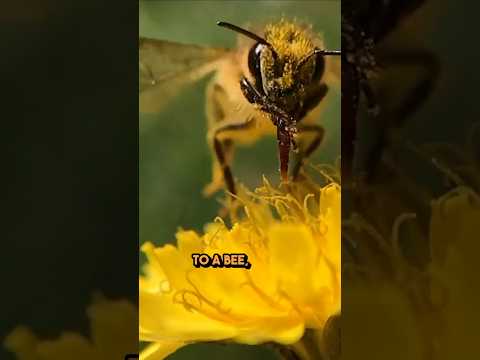
Bees see the world through a totally different lens than we do.
Their eyes, their sensitivity to ultraviolet light, and their instincts all play a part in which colors they skip.
Some colors just set off warning bells in their brains, or they don’t register at all.
Bee Vision and the Absence of Red Sensitivity
Bees have these wild compound eyes that are great at picking up some colors, but they just can’t see red.
To a bee, red looks like a shadow—dark gray or black.
So, red doesn’t stand out or look inviting.
Because bees can’t spot red, they’re not really interested in red flowers or objects.
If you want to dodge bees, wearing red or painting things red might actually help.
Dark colors like black can also keep bees away, since they sometimes signal danger or predators.
The Role of Ultraviolet Light in Bee Color Perception
Bees pick up ultraviolet (UV) light, which we can’t even see.
Lots of flowers have UV patterns that basically draw bees right to the nectar.
This makes it easier for bees to find food fast.
If a color doesn’t reflect UV light well, bees might just ignore it.
That’s why bees love colors with strong UV markings like blue and yellow, but skip over other shades that don’t have those signals.
Knowing this lets you pick plants or colors that either invite bees in or keep them at bay, depending on what you want for your garden.
Associations with Predators and Defensive Behaviors
Bees definitely link certain colors to danger. Dark shades like black, brown, or red remind them of predators. You might notice bees steering clear of those colors.
Take wasps, for example—they often show up with dark markings. Bees get wary around anything that looks similar. If they sense a threat, they might act up or even get aggressive.
If you want to keep things calm, it’s usually better to stick to lighter or neutral colors. That way, you’re less likely to attract unwanted attention from bees.


