
You might see a bee and instantly worry about getting stung. But honestly, most bees aren’t out to get you.
Bees usually sting only to defend themselves or their hive. If you leave them alone, they’ll probably leave you alone, too. Sometimes, a bee lands on you just because it’s curious or attracted to a smell or color—not because it plans to sting.

If you understand bee behavior, you’ll find it easier to stay calm and avoid stings. Not all bees act the same way. Some can sting more than once, but others lose their stinger after one try.
Learning when and why bees sting can help you enjoy the outdoors without so much worry.
If you want to know when you’re actually at risk—and what to do if a bee does sting—read on for the real facts about bee stings and how likely they are.
How Likely Is a Bee to Sting You?

Bees rarely sting without a reason. The odds of getting stung depend on where you are, what type of bee you meet, and how you act around them.
If you know these details, you can avoid most bee stings.
Key Factors Impacting Sting Likelihood
You’ll have a very low chance of getting stung if you stay calm around bees. Bees sting when they feel threatened or if you mess with their hive.
Quick movements, swatting, or wearing strong perfumes can make you more likely to get stung.
Most bees just want to pollinate flowers and get on with their day. Honeybees, for example, almost never sting unless you provoke them.
If a bee feels trapped or cornered, it might sting to protect itself. Bees don’t usually chase people, so if you stand still or slowly walk away, your risk drops even more.
Different Bee Species and Their Stinging Tendencies
Bee species don’t all act the same. Honeybees are probably the most common stingers you’ll run into, but they usually only sting if you get near their hive or grab them.
Bumblebees sting much less often and seem less bothered by people.
Africanized honeybees, sometimes called killer bees, defend their hives more aggressively and in bigger groups. If you know what kinds of bees live nearby, you’ll know what to expect and how cautious to be.
Typical Bee Reactions to Human Presence
If you’re near flowers or plants, bees are usually just working—collecting nectar and pollen. You can get surprisingly close without any trouble.
Bees don’t like sudden movements or loud noises, though. That can spook them and lead to stinging.
If you step on or pinch a bee by accident, it will sting to protect itself. Most stings happen when people mess with nests or bother bees at home.
If you avoid hives and stay calm, your chances of getting stung are less than 1%, according to research on bee behavior.
Bee Stings Versus Other Stinging Insects
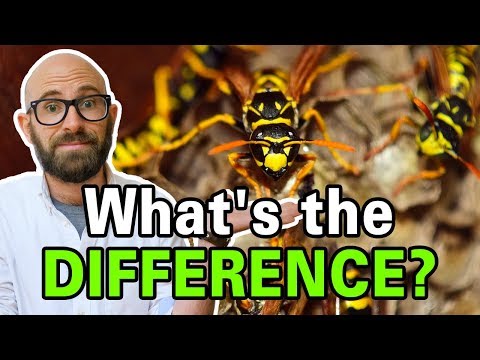
You might have noticed that bees, wasps, and hornets look pretty similar, but they actually behave and sting in different ways.
If you can tell them apart and understand how their venom works, you’ll be better prepared to handle a sting.
Distinguishing Bees from Wasps and Hornets
Bees look rounder and fuzzier, thanks to the hair on their bodies. That fuzz helps them collect pollen.
Wasps and hornets have smooth, shiny bodies and very narrow waists.
- Bees: Brown or black with yellow stripes, fuzzy, and kind of slow when they fly.
- Wasps: Bright yellow and black, smooth bodies, more aggressive, and much faster.
- Hornets: Bigger than wasps, black and white or brownish, and super protective of their nests.
Bees mostly sting to protect their colony. Wasps and hornets tend to sting more often and can do it several times in a row if provoked.
Only female bees and wasps have stingers. Wasps and hornets can pull out their stingers and sting again, while bees can’t.
Understanding Bee Venom and Pheromone Release
When a honeybee stings, it leaves its stinger in your skin. The stinger injects venom and releases alarm pheromones.
These pheromones smell a bit like bananas and tell other bees to come help defend the hive. If you don’t move away fast, you might get stung again.
Bee venom causes pain and swelling, which can last up to two days. Wasp and hornet venom is a bit different—it gives a sharper pain, but the swelling usually goes away faster.
Allergic Reactions and Sting Severity
Most bee stings just hurt a bit and leave behind some redness or swelling. Still, some folks can have a pretty serious allergic reaction.
Here’s what you should watch for:
- Trouble breathing
- Swelling in your face or throat
- Feeling dizzy or weak
If you notice these symptoms, get medical help right away. Just because you’re allergic to one sting doesn’t always mean you’ll react to all of them—bee venom isn’t the same as what wasps or hornets have.
It helps to know these differences. Staying calm and aware can make a big difference around stinging insects.
If you’re curious about how bees defend themselves, check out How Likely Is a Bee to Sting You? Tips to Stay Safe and Calm.


