
You might think every bee out there is just waiting to sting you, but honestly, that’s not the case. Most bees don’t sting unless they feel threatened or they’re guarding their hive.
They might just land on you because they’re curious, or maybe something about your scent or the color of your clothes caught their attention.
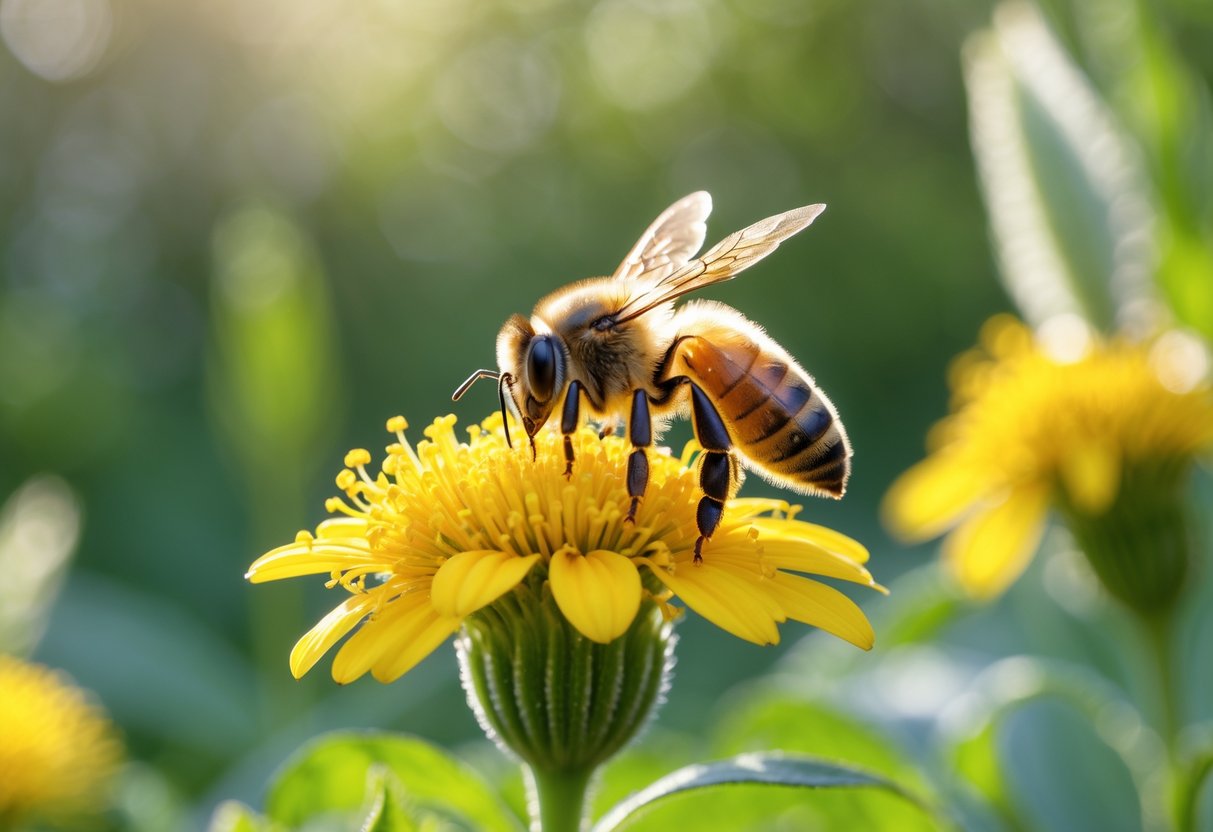
When you understand why bees sting, it’s a lot easier to stay calm around them.
Knowing what triggers a sting can help you avoid getting stung in the first place.
If you’re wondering what actually makes a bee sting and how you should react if one lands on you, you’re in the right spot.
It’s not as complicated as it seems once you know a few basics about bee behavior.
How Likely Is a Bee to Sting You?

Bees usually sting only when they feel threatened or want to protect their hive.
How often a bee stings depends on a bunch of things: the kind of bee, where you are, and how you act around them.
Factors That Influence Bee Stinging Behavior
A bee feels more likely to sting if it senses danger.
If you wave your arms around or try to swat at bees, you’ll probably make them feel attacked.
But if you just stay calm and still, bees tend to ignore you.
Pheromones play a big role too.
When a bee stings, it releases a chemical signal that attracts other bees.
That’s why, sometimes, one sting can turn into a few more if you hang around.
Bees really don’t want to sting unless they have to.
If you leave them alone, they’ll almost always leave you alone too.
Role of Different Bee Species in Stinging
Not every bee stings the same way or as often.
Honeybees get talked about the most.
They can only sting once because their stinger gets stuck and, sadly, they die afterward.
Bumblebees can sting more than once, but they’re usually pretty chill.
They don’t go looking for trouble like wasps or yellow jackets do.
Solitary bees, like mason bees, barely ever sting people.
But Africanized honeybees? They’ve got a reputation for being aggressive and will sting at the slightest provocation.
Bee Venom and Human Reactions
Bee venom causes pain, swelling, and redness where you get stung.
Most people deal with these symptoms for a few hours or maybe a couple days.
Some folks have allergic reactions, though.
Those can get serious fast and need medical help.
If you know you’re allergic, it’s smart to carry an epinephrine injector when you’re around bees.
Your body’s reaction depends on your immune system and how many times you’ve been stung before.
Even if you’re not allergic, getting stung a bunch of times can cause bigger problems.
If you want more details, check out how likely is it that bees will sting.
Bee Species, Lookalikes, and Stinging Habits

It helps to know which insects are likely to sting, how they act, and what makes them defensive.
Some bees sting once and die, others can sting over and over again.
If you can tell the difference, you’re already a step ahead.
Recognizing Stinging Bees Versus Wasps and Other Insects
Bees and wasps can look similar, but their behavior gives them away.
Honey bees have furry bodies and are usually golden brown.
Wasps, hornets, and yellow jackets look sleek and shiny, with those classic bright yellow and black stripes.
Wasps and hornets can sting again and again.
Honey bees have barbed stingers that get stuck, so they only sting once.
Killer bees—those aggressive honey bees—sometimes attack in groups.
If you spot a quick, skinny, shiny insect, you’re probably looking at a wasp.
Bees move slower and look fuzzier.
Sweat bees and mason bees might sting but they’re small and rarely aggressive.
Aggressiveness of Common and Notorious Bee Types
Honey bees will sting if they think their hive’s in danger.
They die after stinging because their stinger stays in your skin.
Bumblebees can sting more than once, but they usually don’t unless you really bother them.
Killer bees, or Africanized honey bees, are super defensive and will attack in groups.
Yellow jackets and hornets? They’re even more aggressive than most bees and can sting as many times as they want.
Carpenter bees look intimidating but usually only sting if you grab them.
Sweat bees and mason bees almost never sting unless you mess with their nests.
| Bee Type | Stinging Behavior | Number of Stings Possible |
|---|---|---|
| Honey Bees | Defend hive | One (barbed stinger) |
| Bumblebees | Less aggressive, can sting more | Multiple |
| Killer Bees | Very aggressive, group attacks | Multiple |
| Yellow Jackets | Aggressive scavengers | Multiple |
| Carpenter Bees | Defensive if touched | One or none |
Defensive Behaviors, Pheromones, and Colony Protection
Bees sting mainly to defend their home.
When a honey bee stings, it releases pheromones that call in backup.
That’s how one sting can quickly turn into a swarm.
The more pheromone in the air, the more bees will join in.
Bumblebees don’t release as much pheromone, so even though they can sting more than once, they usually don’t attack in groups.
Hornets and yellow jackets also use pheromones to rally the troops.
They’ll guard food sources fiercely and won’t hesitate to sting again and again.
How To Reduce Your Risk of Being Stung
Try not to swat or make sudden moves when you spot bees or wasps. Just back away calmly and take your time—no need to panic.
Pick light-colored clothes, and maybe avoid floral patterns for the day. Bees really seem to go for bright colors and strong scents, so it’s probably best to skip perfume and scented lotions.
Don’t mess with nests or colonies. If you come across a hive or nest, definitely keep your distance and leave removal to the pros.
If you’re outside during those busy, warm afternoons, steer clear of food scraps or trash. Yellow jackets and hornets love that stuff.
Honestly, bees don’t sting out of spite—they’re just protecting themselves or their home. Giving them their space is usually all it takes to stay safe.
Curious about which bees sting and what makes them tick? Check out this guide to bee stings and behavior.


