
Ever get stung by a bee and wonder why people reach for toothpaste? People think toothpaste helps because it might neutralize the acidic venom, which could ease pain and itching. The minty coolness from toothpaste also feels pretty soothing on irritated skin.
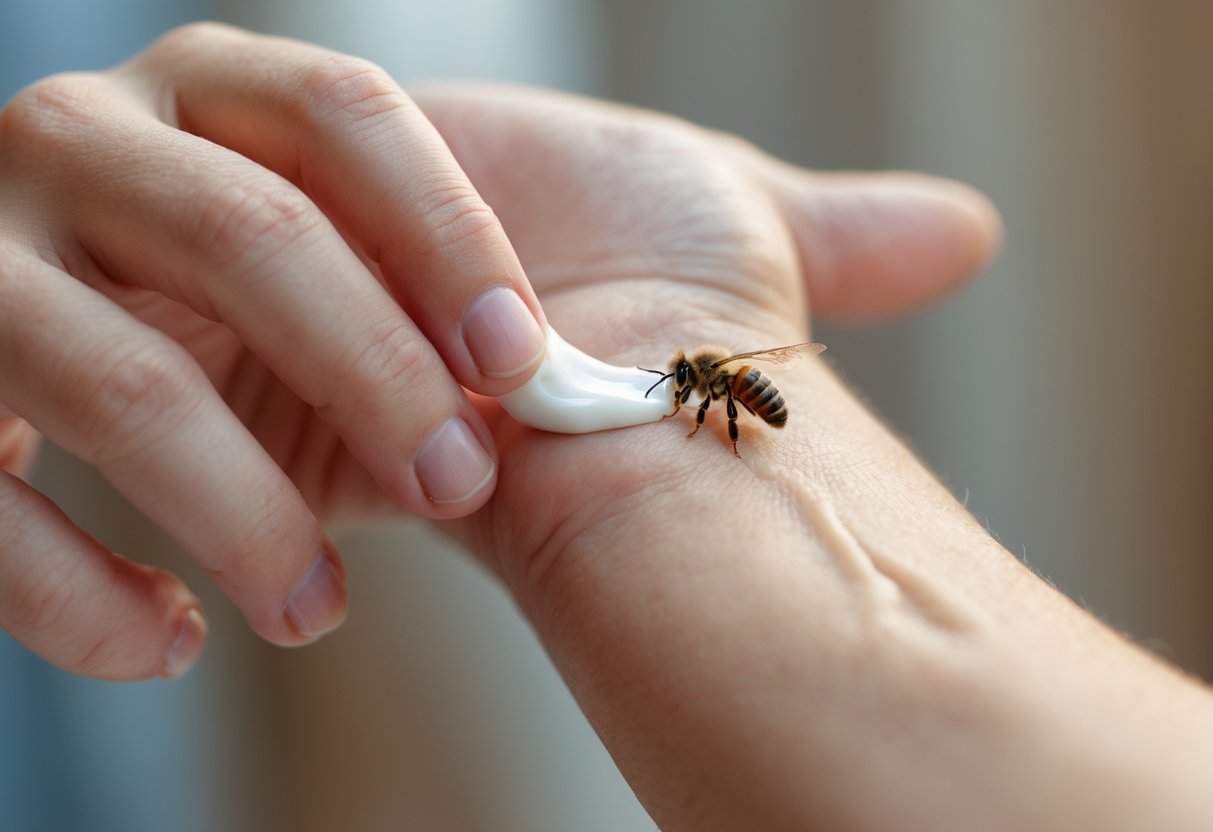
There’s not a ton of solid science backing up toothpaste for bee stings, but lots of folks still use it as a quick home fix. If you dab on a bit right after getting stung, you might get some relief while you figure out what else to do. Curious about how toothpaste might help or what else you could try? Let’s dig in.
How Toothpaste Interacts With a Bee Sting

Bee venom is acidic and causes pain and itching. Toothpaste can sometimes take the edge off these symptoms.
Some toothpaste ingredients react with the sting, while others give a cooling feeling that distracts your nerves for a bit.
Alkalinity and Venom Neutralization
Bee venom’s acidity leads to swelling and irritation. Toothpaste, being alkaline, brings a higher pH to the party.
When you put toothpaste on the sting, the alkaline ingredients can neutralize some of the venom’s acid. This might ease pain and swelling.
Most toothpaste has baking soda or similar alkaline stuff in it. These help balance out the pH on your skin, making the sting a little less harsh. It’s kind of like using baking soda as a home remedy.
Role of Menthol and Cooling Sensations
A lot of toothpastes contain menthol, which gives your skin a cool, tingling vibe. That sensation can numb the area a bit and distract you from the sting’s pain or itch.
The cooling doesn’t last forever but feels nice while it does. Menthol calms the nerve endings and takes the edge off irritation.
That’s probably why toothpaste brings quick, short-term comfort, even though it doesn’t actually fix the sting.
Temporary Relief and Placebo Effect
Toothpaste won’t actually cure a bee sting, but it can soothe and cool your skin for a while. Sometimes just doing something—anything—makes you feel better, even if it’s minor.
If you’re having a bad reaction, definitely don’t rely on toothpaste alone. For mild stings, though, it’s a cheap, easy way to get by while you heal.
Best Practices and Precautions When Using Toothpaste for Bee Stings

If you want to try toothpaste for a bee sting, just be careful and watch how your skin reacts. Everyone’s skin is different, so keep an eye out for anything weird.
Safe Application Steps
Start by gently removing the bee’s stinger if it’s still there. Use your fingernail or tweezers, but try not to squeeze the venom sac.
Grab some plain white toothpaste (skip the gels or colored stuff) and dab a small amount right on the sting.
Let it sit for about 10 to 15 minutes. The alkalinity might help neutralize a bit of the venom’s acid.
After that, rinse off with cool water and pat the skin dry. Don’t rub it, since that can make things worse.
Potential Side Effects of Toothpaste
Sometimes toothpaste can irritate your skin, especially if you’re sensitive. Ingredients like fluoride or sodium lauryl sulfate might cause redness, itching, or even a rash.
If you feel burning or notice extra swelling, wash the toothpaste off right away and rinse well.
Allergic reactions are rare, but they can happen. Watch for hives, swelling that spreads, or trouble breathing.
If you spot those symptoms, get medical help fast. If you know your skin reacts badly to toothpaste, it’s probably best to skip this remedy.
When to Seek Medical Help
If pain, redness, or swelling gets worse after you use toothpaste, reach out to a healthcare professional. You should also get urgent care if you notice any signs of an allergic reaction—like trouble breathing, swelling in your face or throat, dizziness, or a racing heartbeat.
If you see pus, warmth, or serious redness, the sting might be infected. In that case, go get medical help right away.
Anyone with a bee sting allergy should always talk to a doctor, no matter what home treatments you try. Don’t wait around if symptoms turn serious or start spreading.
For more tips on treating stings at home, check out this guide on using toothpaste for bee stings.


