
Ever wondered what a killer bee actually looks like? The answer might throw you off a bit.
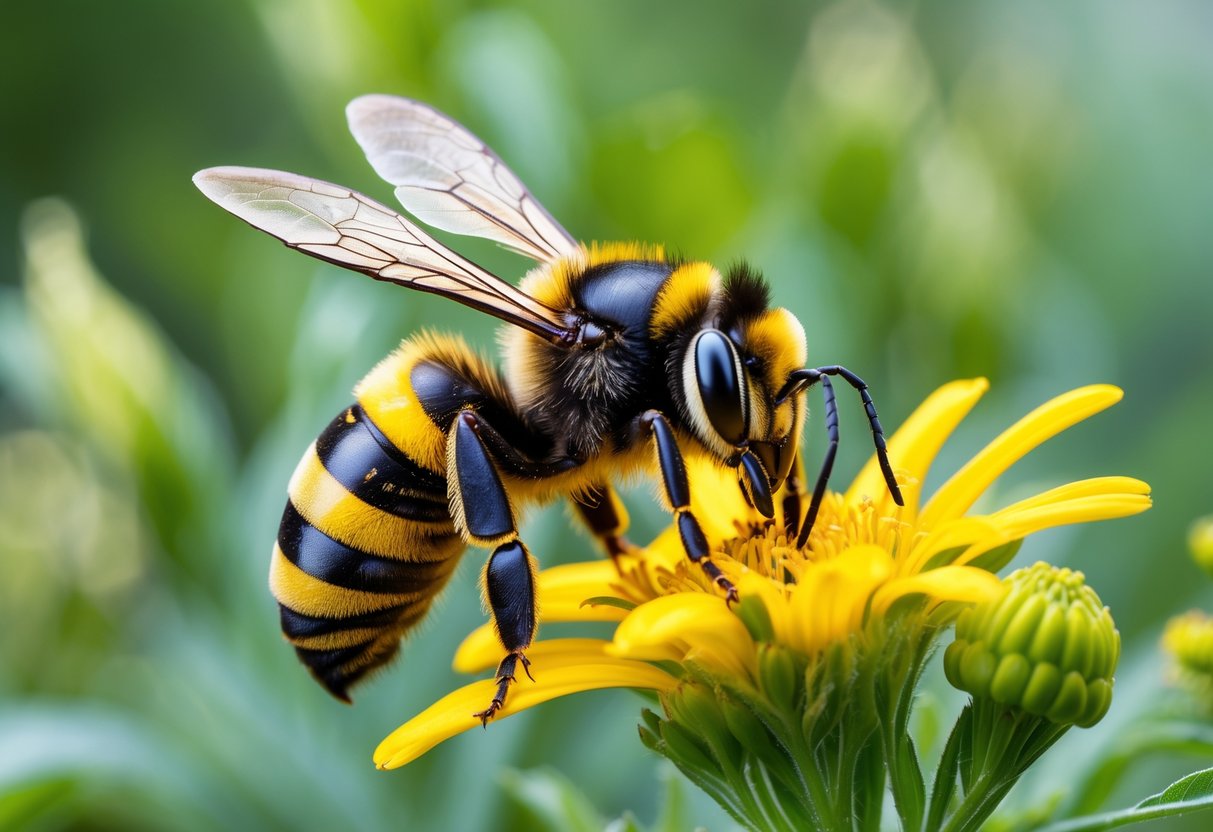
Killer bees look almost exactly like regular honeybees—small, fuzzy, with those classic brown and yellow stripes. They’re often just a touch smaller than European honeybees, which honestly makes them tough to tell apart by looks alone.
But here’s the thing: what really makes killer bees different isn’t their looks—it’s their attitude. They react faster and act way more aggressive.
Spotting one is tricky if you don’t know what to look for. If you can recognize their appearance and habits, you’ll have a better shot at avoiding them.
Curious about what makes killer bees unique? Want to know how to spot them? Keep going for the details. If you want even more info, check out what killer bees look like.
What Does a Killer Bee Look Like?

Killer bees look so much like regular honey bees that telling them apart just by sight is tough. Pay attention to their color, size, and a few subtle things if you want to spot the difference.
Physical Appearance and Color
Killer bees—also called Africanized honeybees—usually show off dark brown bodies with bright yellow bands. Their fuzz looks a bit thinner than what you see on European honey bees, but both types have that fuzzy layer.
The stripes on killer bees sometimes look darker and more defined, making their colors pop a little more. Both bees share a rounded body and a slightly pointed abdomen.
Africanized honey bees can range in color from golden yellow to dark brown, which makes them almost a twin to European honey bees. If you want to get a closer look, check out this link: what killer bees look like.
Size Compared to Other Honeybees
Killer bees are slightly smaller than European honey bees. Regular honey bees usually measure about 0.6 to 0.75 inches long, while killer bees are more in the 0.5 to 0.7 inch range.
The size difference is tiny—honestly, you’d have to measure to notice. Sometimes killer bees look a bit sleeker or narrower, but it’s subtle.
Because their sizes overlap, you can’t really rely on size to tell them apart. That makes it tricky if you’re just glancing at them.
Distinctive Features and Identification Tips
The real giveaway is their behavior. Killer bees swarm more often and get aggressive fast if you bother them.
If you see a bee that reacts quickly, calls in backup, or moves in big groups to start new hives, you’re probably dealing with an Africanized honey bee. Their colonies are usually denser and louder, too.
Stay back—they defend their nests fiercely. Don’t count on color or size alone.
If you want tips for identifying them safely, check out this page: how to identify Africanized honey bees.
Killer Bee Habitat, Behavior, and Spread

Killer bees stick to warm areas and show up in several southern US states. They build nests in all sorts of places and act far more aggressive than regular honey bees.
Their stings feel different, mostly because they attack in big groups.
Regions and States Where Killer Bees Are Found
You’ll mostly find Africanized killer bees in southern states with warm weather. They’re common in southern California, Arizona, Nevada, and southern Florida.
These bees don’t waste time spreading and can move into new spots if the climate stays warm. They started out in southern Africa, but people brought them to the Americas in the 1950s.
Since then, they’ve spread across much of the southern US. If you live near open land or in warm, dry areas, you might run into their nests.
Common Places for Nests
Killer bees like to build nests in sheltered or hidden places that keep them safe from the elements. You might spot a nest inside hollow trees, wall cavities, old buildings, or even underground burrows.
Their nests often look like small, hanging paper balls. Africanized bee colonies move more often than European bees.
That means their nests are usually temporary and can pop up in odd places—under house eaves or inside fence posts, for example.
Behavior and Aggressiveness
Killer bees defend their nests with serious determination. They protect a bigger area around their nest than regular honey bees.
If they feel threatened, they’ll attack fast and in large numbers. Africanized bees may even chase you for a quarter mile or more.
They also sting over and over. Their defensive attitude keeps their colony safe, but it can make things dangerous if you get too close.
Differences Between Stings from Killer Bees and Other Bees
A sting from a killer bee pretty much feels like a regular bee sting. The real problem? Killer bees attack in groups, so you could get stung a bunch of times in just seconds.
These stings usually bring pain, swelling, and itching—nothing new if you’ve dealt with bees before. But if you take a lot of stings, things can get serious fast, and you might need medical attention.
If you ever disturb an Africanized killer bee nest, don’t stick around—just get out of there as quickly as you can to dodge a swarm.
Want to know more about their nests, habits, or where they like to live? Check out this guide on Africanized bee colonies or see how they show up in places like southern California.


