
So, you’re thinking about venom injections? It’s smart to know what you might deal with. Most people notice redness, swelling, or some mild pain right where they get the shot. These things pop up almost right after the injection and usually fade on their own.

Sometimes, reactions get a bit more serious, especially if you’ve got allergies or other health issues. Some folks’ immune systems just go into overdrive, which is why having a doctor nearby makes sense. Knowing the risks helps you decide if this treatment feels right.
Common and Serious Side Effects of Venom Injections
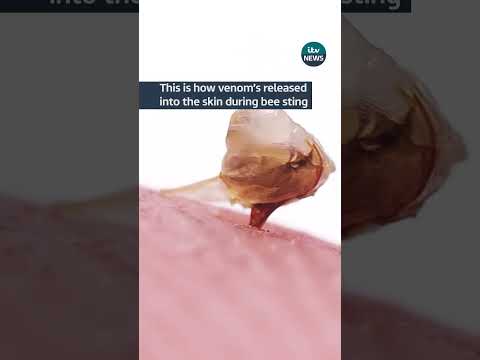
After a venom injection, you could see some swelling or itching right at the spot. Sometimes, your whole body reacts, not just that area.
Some side effects just feel annoying, not dangerous. Others? You really need to get help fast.
Local Reactions and Immediate Discomfort
You might see redness, swelling, or feel itchy where you got the shot. This happens a lot and usually clears up in a few hours or days.
Some people get a small bump or a sore spot that sticks around for a bit. If you’re sensitive or allergic to bee venom, the area might swell up more or hurt longer, but it’s rarely a big deal.
Honestly, it’s pretty common to feel some discomfort after a venom injection. A cold pack or a little over-the-counter pain relief usually does the trick.
Systemic Side Effects and Adverse Reactions
Every now and then, venom injections hit harder. You could feel tired, dizzy, or even a bit nauseous.
Headache, chest tightness, or a racing heart sometimes show up too. The venom can push your immune system to react in different parts of your body.
Women and people getting honeybee venom seem to get these broader side effects more often. If you start having trouble breathing, feel weak, or things get worse fast, contact your doctor right away.
Severe Allergic Responses and Anaphylaxis
A few people have a really serious allergic reaction called anaphylaxis. It’s rare, but it can be life-threatening.
You’ll usually notice it soon after the injection—swelling in your face or throat, trouble breathing, a quick drop in blood pressure, or you might feel faint. That’s an emergency.
If you’ve had bad reactions to bee stings before, your risk goes up with venom immunotherapy. Doctors keep a close eye on you, especially in the beginning.
Knowing what to watch for can help you get help quickly if you need it.
For more info, check out this article on adverse reactions in venom immunotherapy protocols.
Risks, Precautions, and Medical Considerations

Venom injections—especially immunotherapy—come with some real risks. It helps to know who should steer clear and how doctors keep things safe.
Precautions Before Starting Venom Immunotherapy
Before you start, your doctor will look at your allergy history and overall health. You might need allergy tests to see if you react to bee venom or other stinging insects.
Since venomil and allergenic extracts can cause reactions, doctors usually start treatment where they can keep an eye on you. You’ll get monitored for swelling, redness, and anything more serious.
Don’t stop or change any meds—like for arthritis or heart issues—without checking with your doctor. Make sure they know about everything you take so you don’t run into surprises during immunotherapy.
At-Risk Populations and Contraindications
Some groups face bigger risks from venom injections. If you have uncontrolled asthma, heart disease, or autoimmune stuff like arthritis, you could run into trouble.
Pregnant people usually skip venom immunotherapy because we don’t really know how it affects the baby. If you have major immune disorders or take immune-suppressing drugs, this treatment probably isn’t for you.
If you’ve had severe reactions that go beyond typical stinging insect allergies, your provider might suggest something else. That way, you can avoid dangerous allergic or immune responses to venomil or allergenic extracts.
The Role of Medical Providers in Safe Treatment
Your medical provider really matters when it comes to making venom injections safe. They take time to get to know your situation, looking at your allergy history and overall health before coming up with a plan.
They’ll keep an eye on you during treatment, watching for any side effects or allergic reactions. If something goes wrong, they’re right there to step in and help.
Providers also talk you through what to look out for after your injections. They’ll let you know when it’s time to call for help, which honestly makes the whole process less nerve-wracking.


