
Want to keep bees away? The best thing you can do is use natural repellents with scents bees just don’t like.
Scents like citronella, cinnamon, or mint work well, and they won’t harm the bees. You could even toss a few dryer sheets in your pockets or around your space to help keep them at bay.
Simple habits really make a difference, too. Keep food sealed and pick up trash quickly so bees don’t get interested in your area.
Try to avoid spots where bees usually hang out, like tall grass or near the trash bins. That way, you keep them away without hurting them.
Using natural scents and making a few changes to your environment works best if you want to keep bees away without causing any harm. It’s a win-win: you get peace of mind, and the bees stay safe.
For more ideas, check out how to keep bees away naturally.
Most Effective Ways To Keep Bees Away
You can keep bees away with safe, natural methods that don’t hurt them. Some tricks use scents or plants bees dislike, while others help by cutting down on what attracts bees in the first place.
Paying attention to water and food sources really changes things.
Natural Repellent Methods
Natural repellents can keep honey bees and other bees at a distance. Citrus scents like lemon or orange peel do the trick.
Essential oils such as peppermint, citronella, or eucalyptus also work. These smells hide the natural scents that usually attract bees.
You could put dryer sheets in your pockets or tuck them into your clothes. That scent helps repel bees.
Cinnamon and vinegar are other natural options bees don’t like much.
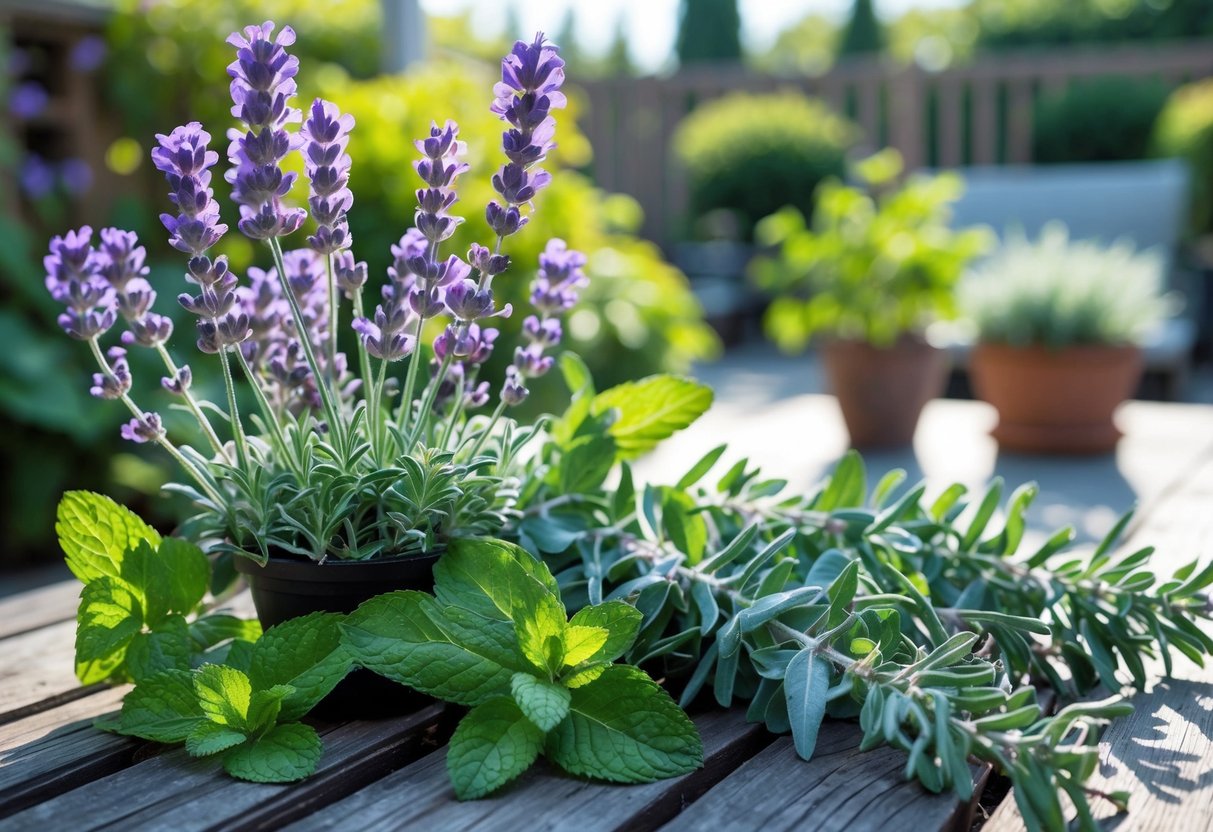
If you plant herbs like mint, citronella, or basil around your yard, they act as natural barriers. Bees won’t hang around as much.
Offering Alternative Water Sources
Bees need water, especially when it’s hot. If your yard doesn’t have any, they’ll go looking—sometimes right where you’re relaxing.
Try setting out shallow dishes or little pools filled with fresh water and some pebbles, far from where you hang out. Bees will head over there instead and leave you alone.
Change the water often to keep it fresh. This simple move keeps bees from hovering near places you’d rather they didn’t.
Eliminating Attractive Food and Scents
Bees love sweet foods and strong smells. Keep them away by storing drinks and food in sealed containers when you’re outside.
Clean up spilled soda, juice, or sugary snacks right away. Skip the floral perfumes or scented lotions, since those can call bees over.
Take out the trash often and make sure the bins have tight lids. Compost piles can attract bees, so keep them covered or move them away from where you gather.
Cutting down on these tempting sights and smells gives bees fewer reasons to visit.
For even more natural ideas, you can check out 17 Natural Bee Repellent Tips and Recipes.
Preventative Strategies And Safe Deterrents

You can keep bees away by using natural repellents, changing up your plants, and making your outdoor space less appealing to them.
It matters to focus on ways that don’t hurt the bees, just keep them from getting too close.
Using Essential Oils And DIY Sprays
Essential oils like peppermint, eucalyptus, and citronella can help repel bees. Mix a few drops with water and spray it where bees bother you—near your patio or garden, for example.
Here’s a quick recipe to try:
- 10 drops peppermint oil
- 10 drops eucalyptus oil
- 1 cup water
- 1 tablespoon vinegar
Mix it up and spray around doors, windows, and outdoor seating. These oils throw off bees’ senses and make your space less inviting.
Skip strong fragrances like lavender or sweet-smelling oils, since those actually attract bees. Check your spray and reapply after it rains.
Altering Landscaping And Plant Placement
Bees love flowers like sunflowers, daisies, and clover. If you want fewer bee visits, don’t plant these near areas where you hang out.
Instead, go for herbs like mint, thyme, or sage—bees usually avoid them. Keep flowering plants farther from entrances, decks, and play areas.
Trim bushes and trees that bloom close to your house. Moving plants around works better than pulling everything out, and you’ll still support pollinators in your yard.
Responsible Use Of Pesticides
Using pesticides for bees is a tricky subject. Most chemicals harm bees and other helpful bugs, so skip the broad insecticides.
If you absolutely have to use them, pick ones that target pests but leave honey bees alone.
Apply treatments early in the morning or late in the evening, when bees aren’t active. Always follow the label instructions.
You could also try natural pest control, like introducing good insects that eat pests or using row covers as barriers. That way, you protect your space without hurting bees.
Reducing Nesting Opportunities
Bees love finding quiet, safe spots to build their nests. If you want to keep them away, you’ll need to make your yard less appealing.
Seal up any cracks or holes you spot in your walls, siding, or foundation. It’s worth checking places like eaves, sheds, and garages regularly.
Get rid of piles of wood, old tires, and even hollow sticks—those are basically invitations for bees to settle in.
Try not to leave standing water around. Bees go searching for water, especially when it’s hot out.
When you limit their nesting spots, you make it a lot less likely that bees will hang around your place and cause trouble.


