
Ever been stung by a bee and spotted a tiny needle left in your skin? You’re not alone. But here’s a twist—not every bee leaves its stinger behind.
Only honey bees leave their barbed stinger stuck in your skin, which is why you might see it after a sting. Wasps, hornets, and most other bees can sting again and again because their stingers don’t get trapped.

Figuring out which bees actually leave a stinger helps you know what to do if you get stung. It might even ease your nerves next time a bee buzzes a little too close.
Let’s dig into why some bees lose their stinger—and why others don’t.
Which Bees Leave Their Stinger in You?
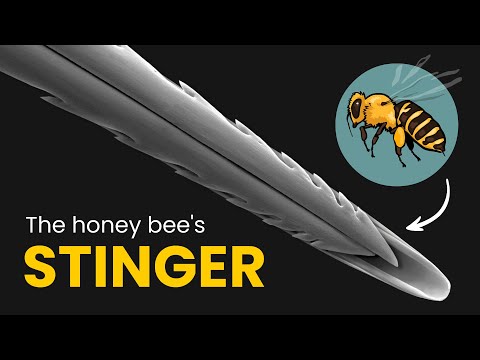
Some bees leave a stinger in your skin, while others don’t. It really depends on the type of stinger and how the insect is built.
Knowing which bees leave a stinger can prepare you for what comes next if you get stung.
Honey Bee Stings and Barbed Stingers
Honey bees have stingers with tiny barbs along the shaft. When a honey bee stings, those barbs catch in your skin.
The bee tries to fly away, but the barbs hold the stinger in place. As the bee pulls away, it leaves the stinger—and the attached venom sac—behind.
That stinger keeps pumping venom into your skin, even after the bee is gone. It’s kind of brutal, honestly.
Because of this, honey bees can only sting once. They die soon after.
The most common types in the U.S. are European and Africanized honey bees. Both have these barbed stingers.
Differences Among Bee and Wasp Species
Wasps, hornets, and yellow jackets? They don’t have barbed stingers.
Their stingers are smooth, so they can sting you, pull the stinger out, and do it again. Not great news if you run into an angry wasp.
These insects don’t leave their stingers behind. They keep them, and they don’t die after stinging.
Their stingers act like tiny hypodermic needles—injecting venom but never getting stuck.
Do Bumblebees and Other Bees Leave a Stinger?
Bumblebees have stingers with small barbs, but they’re not as pronounced as those on honey bees.
Because of this, bumblebees can sting more than once without losing their stinger. Most other bee species also don’t leave their stinger behind.
Only female bees have stingers, since the stinger is actually a modified egg-laying organ. Males don’t sting at all.
So if you ever get stung, you can blame a female bee or a related insect.
What Happens When a Bee Stings You?
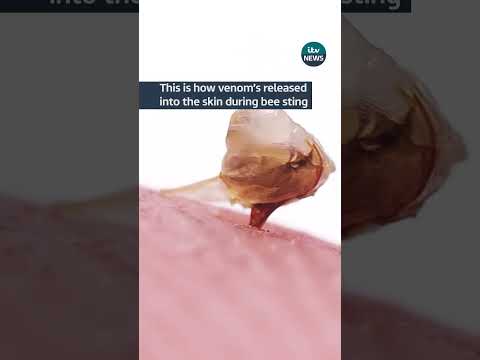
When a honey bee stings, it usually leaves its stinger in your skin. That little stinger keeps pumping venom, which causes pain and swelling.
Your reaction depends on how much venom gets in and how sensitive you are.
Immediate Effects and Stinger Removal
The second a worker honey bee stings, its barbed stinger gets stuck. As the bee pulls away, it leaves the stinger and venom sac behind.
That venom sac keeps pumping for a bit, even after the bee is gone. It’s honestly a little unsettling.
If you get stung, you should remove the stinger as quickly as possible. Scrape it out gently with your fingernail, a credit card, or even tweezers.
Try not to squeeze the venom sac, because that just pushes more venom in. The sooner you get the stinger out, the less pain and swelling you’ll have.
Leaving the stinger in can make things worse for hours.
Venom Delivery and Body Reactions
Bee venom has compounds that cause pain and kick your immune system into gear. When the venom gets under your skin, you’ll probably feel a sharp, burning pain.
Redness, swelling, and warmth usually show up around the sting. Your body sends immune cells to the area, which leads to itching and more swelling.
Most people find the sting painful and annoying, but not dangerous. The effects usually fade in a few hours.
Some folks might get hives or swelling that spreads beyond the sting site. If that happens, it’s a sign you could be more sensitive to bee venom and might need medical help.
Potential Complications After a Sting
Most bee stings heal up just fine if you treat them the right way. Still, some folks can run into trouble.
You might get an infection if you don’t clean the sting well or if you scratch it a lot. It’s not super common, but it happens.
A rare and really serious problem is an allergic reaction called anaphylaxis. You might notice it’s hard to breathe, your face or throat swells up, or you feel dizzy.
If any of that happens, you should get emergency medical help immediately. Don’t wait around—better safe than sorry.
If you’ve had lots of stings or know you’re allergic, talk to your doctor about what you can do to stay safe. Carrying an epinephrine injector could actually save your life if you’re allergic to bee venom.
For more info on bee stings and what they do, check out this detailed bee sting explanation.


