
Ever wondered if you could get stung by a bee and not spot a stinger left behind? Turns out, yes, you can get stung without seeing a stinger. Sometimes the stinger just doesn’t stick or it falls out fast, so you’ll still feel the sting even if you can’t find any trace of it.
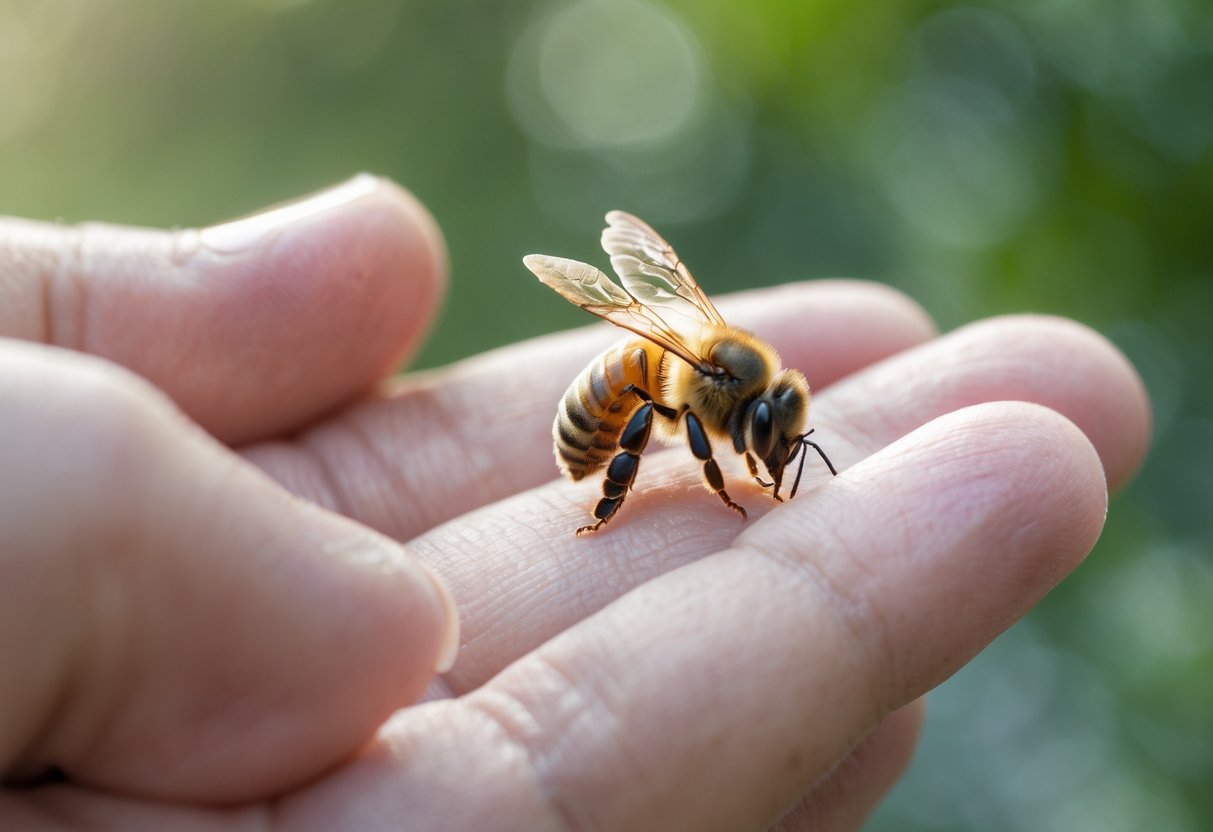
It helps to know this, honestly. If you’re not panicking over a missing stinger, you can focus on treating the sting and feeling better. Whether or not you see a stinger, your skin might swell or ache—so it’s good to know what to do next.
Can You Get Stung by a Bee and Not Have a Stinger?

Sometimes you’ll get stung and find no stinger in your skin. There are a few reasons for this, like the type of bee or the way it uses its stinger.
It’s kind of interesting to learn what to expect and why a stinger might not stick around.
How Bees Sting and What Happens to the Stinger
When a bee stings, it pushes the stinger into your skin and injects venom. Honeybees have barbed stingers, so the stinger usually gets stuck and rips away from the bee’s body.
That’s actually what causes the bee to die soon after. You might spot the stinger as a tiny black or brown speck.
If you don’t pull it out quickly, venom can keep pumping in for up to 10 minutes, making things hurt even more.
Not every bee has a barbed stinger, though. Some bees can sting over and over and not leave anything behind.
Different Bee Species and Their Sting Behavior
Bees don’t all sting the same way. Honeybees lose their stinger after one sting, so you’ll often find it left behind.
That’s why you want to remove it fast to cut down on pain and venom spread. Bumblebees and some other bees have smooth stingers.
They can sting you more than once and not leave a stinger in your skin. So if a bumblebee got you, you probably won’t find anything to pull out.
Other bees might sting or skip stinging, depending on their mood or defense style. If you know what kind of bee stung you, it helps explain why you do or don’t see a stinger.
Why a Stinger May Not Be Present After a Sting
If you can’t find a stinger, maybe the bee didn’t leave it behind. Bumblebees, for example, can pull their stingers out as they sting.
Sometimes the sting just happens so quickly that nothing gets stuck. Some stings don’t leave any visible stinger at all.
It’s also possible the stinger came out on its own or you brushed it off before noticing. Not every sting leaves a stinger, so don’t stress if you can’t find one.
For more info on why stingers don’t always show up, check out this explanation about getting stung without a stinger.
Symptoms and Reactions With or Without a Stinger

When you get stung by a bee, your body can react in all sorts of ways. Sometimes you’ll see the stinger, sometimes you won’t.
Either way, you might feel pain, swelling, or—though it’s rare—a nasty allergic reaction. Knowing how your body might respond makes it easier to handle the sting.
Typical Bee Sting Symptoms Without a Visible Stinger
Not every bee sting leaves a stinger behind. Bumblebees, for example, can sting a few times and not lose their stinger.
Even if you don’t spot a stinger, you’ll probably notice pain, redness, or a little swelling around where you got stung.
Here’s what you might feel:
- Sharp pain or burning
- Redness and swelling for a few hours
- Itching or mild irritation
These symptoms are pretty normal and usually fade in a day or two. Grab some ice or over-the-counter pain meds if you need relief.
If you spot increased swelling or warmth, keep an eye out since that could mean infection.
Severe Allergic Reactions and Anaphylaxis After Bee Stings
Some folks have serious allergic reactions even if there’s no stinger left behind. Watch for these signs:
- Trouble breathing or wheezing
- Swelling of the face, lips, or throat
- Fast heartbeat or dizziness
- Hives or a rash all over
This is called anaphylaxis, and it can be life-threatening. If you or someone else has these symptoms, call emergency services right away.
Using an epinephrine auto-injector (EpiPen) quickly can save a life. If you know you’re allergic, always keep your treatment handy.
Multiple Bee Stings and Their Health Risks
Getting stung by several bees at once? That can actually be pretty dangerous, even if you don’t have an allergy.
When multiple bees sting you, they inject a lot more venom into your body. This can lead to:
- More intense pain and swelling
- Nausea, headache, or fever
- Muscle cramps or weakness
If you get stung a bunch of times, watch for symptoms that get worse. Don’t wait around—if you start feeling really sick, go get medical help.
People with heart issues or immune system problems need to be extra cautious. It’s better to seek care quickly than to take chances.


