
It’s easy to assume every bee sting leaves a stinger behind, but that’s just not always the case. You can get stung by a bee and not find any stinger in your skin.
Some bees, like bumblebees, can sting over and over without losing their stinger. So, sometimes, there’s nothing left behind after the sting.
If you don’t see a stinger, the bee probably isn’t still pumping venom, but you’ll definitely still feel the sting and its effects.

Sometimes, you just won’t find a stinger because it never got stuck or maybe it fell out right away. That can feel confusing if you’re dealing with pain and swelling but can’t spot any sign of a stinger.
Knowing what to do next makes treating the sting way easier and can help you avoid more discomfort.
It helps to understand how different bees sting and what actually happens after. If you’re wondering why some stings don’t leave a stinger or what you should look out for, let’s get into the details so you can stay safe.
Can You Get Stung by a Bee Without a Stinger Being Left Behind?

Sometimes you’ll feel the sting but can’t find a stinger in your skin. That’s because different bees do things differently, and the stinger doesn’t always stick around.
If you know how bee stings work, what different bee species do, and when the stinger might stay or not, you’ll know what to expect.
How Bee Stings Work
Honey bees sting with a barbed stinger that usually gets stuck in your skin. This little barbed stinger keeps pumping venom for up to 10 minutes after the sting.
That’s why it’s smart to remove the stinger quickly to limit how much venom gets in.
The stinger actually has its own muscles and nerves, so it can keep working even after separating from the bee. Weird, right?
If you touch or press a dead bee’s stinger, it can still sting you.
Not every sting leaves a stinger behind, though. The pain mostly comes from the venom, not the stinger itself.
Bee Species and Stinger Behavior
Honey bees have barbed stingers, so they usually leave them behind. When the bee pulls away, the barbs get stuck and rip out, which sadly kills the bee.
Other bees, like bumblebees, and wasps have smooth stingers. They can sting several times without losing their stinger because it doesn’t get caught in your skin.
Here’s a quick look:
| Bee Type | Stinger Barbed? | Stinger Left Behind? | Can Sting Multiple Times? |
|---|---|---|---|
| Honey Bee | Yes | Usually | No |
| Bumblebee | No | No | Yes |
| Wasp/Yellow Jacket | No | No | Yes |
Situations Where the Stinger May Not Remain
You might not spot a stinger if a honey bee didn’t sting you. Wasps and hornets can sting you, but they don’t leave a stinger behind.
Sometimes, the stinger can fall out super fast, or maybe you brushed it away without noticing. If you didn’t feel pain right away, it could be because the venom amount was tiny or the stinger didn’t get lodged deeply.
If you don’t see a stinger, watch for swelling or pain that gets worse. If you spot a stinger, take it out fast to stop more venom from getting in. But if there’s nothing visible, just treat the area for symptoms.
If you want more info on why stingers sometimes aren’t left behind, check out this bee sting stinger guide.
Possible Reactions and Symptoms If No Stinger Is Present
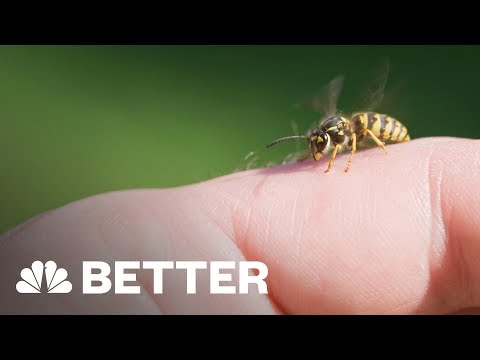
Even if there’s no stinger in your skin, you can still feel pain and swelling. Your body reacts to the venom the bee injected.
These reactions can range from mild redness and itching to more serious problems, especially if you’re allergic or get stung a bunch of times.
Typical Bee Sting Symptoms
Right after a sting, you’ll probably notice sharp pain. The area usually gets red and swollen within minutes.
It might feel warm or itchy, too. Sometimes you’ll see a small white spot where the stinger went in, but even if there’s no stinger, the venom can still cause similar reactions.
Common symptoms include:
- Pain or burning
- Redness and swelling
- Itching or rash around the sting area
Usually, these symptoms last anywhere from a few hours to a couple of days. Most people feel better with basic care like cleaning the area and using ice or anti-itch creams.
Allergic and Severe Reactions
If you’re allergic, your body can react much more strongly. Watch for hives, swelling beyond the sting (like your face or throat), trouble breathing, or dizziness.
These symptoms can show up fast and need emergency help, no question.
This kind of severe reaction is called anaphylaxis. If you notice any of these serious signs, call emergency services right away.
Even if there’s no stinger, the venom alone can trigger an allergic response. If you’ve reacted badly to stings before, it’s good to know your history so you can act quickly if needed.
Risks of Multiple Bee Stings
If you get stung several times—even when there aren’t any stingers left behind—you might notice stronger reactions. Your body starts to absorb more venom, which can lead to extra pain, swelling, and sometimes a big, stubborn welt that just hangs around for days.
When you take multiple stings, your risk of a full-body allergic reaction goes up. It’s not just about the spot that got stung; your whole system can feel it.
Pay attention if you notice any of these things after several stings:
- Widespread swelling or redness
- Fever or chills
- Feeling weak or confused
Don’t wait it out if you see these signs, even if you’ve never had an allergy before. It’s better to get checked out.


