
Ever notice a bee flying close, almost like it’s staring right at you? That feeling can be weird, maybe even a little unnerving.
Bees stare because they’re drawn to certain smells, colors, or movements. Their sense of smell is incredible, and they’ll investigate whatever catches their attention.
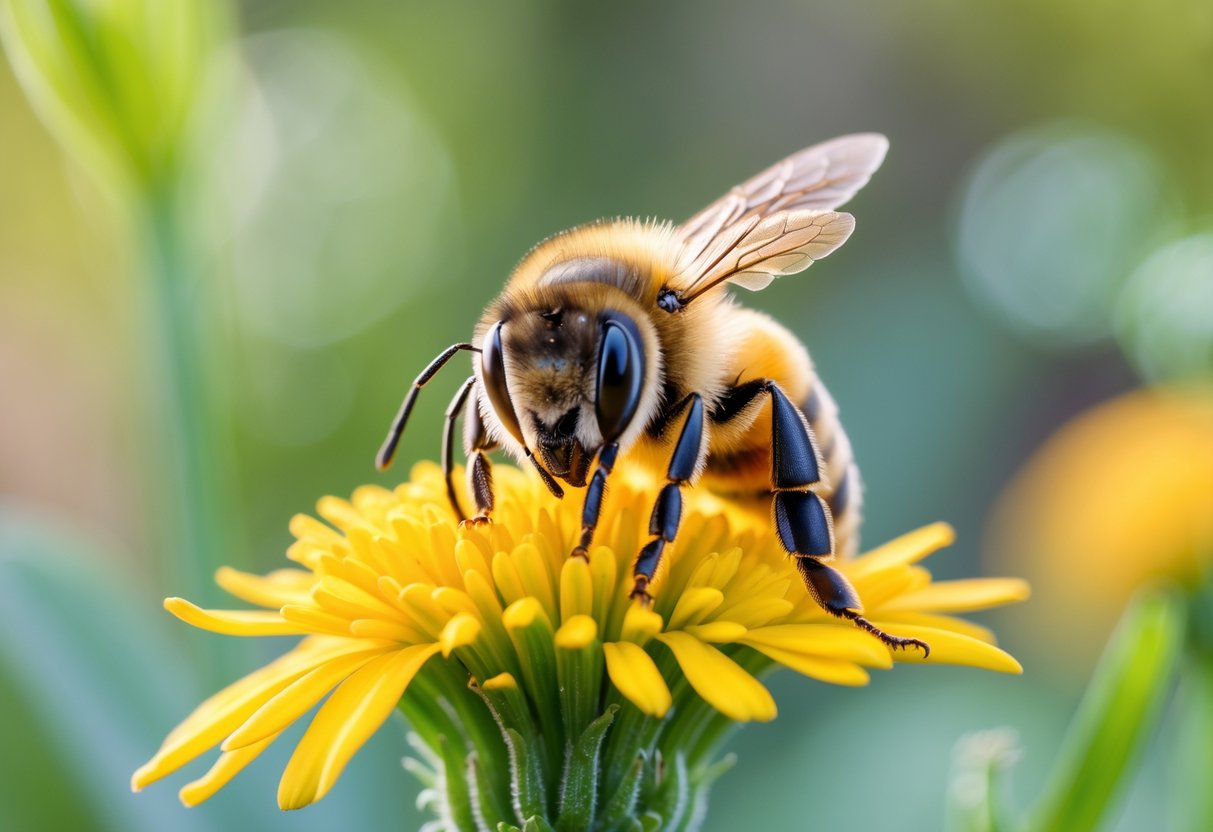
Male carpenter bees, for example, might hover around you as part of their territorial routine. Don’t stress—they can’t sting.
Bees act curious and just want to check out what they think could be flowers or interesting scents like your perfume or lotion.
If you know why they do this, it might help you stay calm and actually enjoy watching them instead of feeling nervous.
So, when a bee seems to stare your way, remember—it’s just exploring. Bees have their own way of figuring out the world, and you just happen to be in it.
Why Do Bees Stare at You?
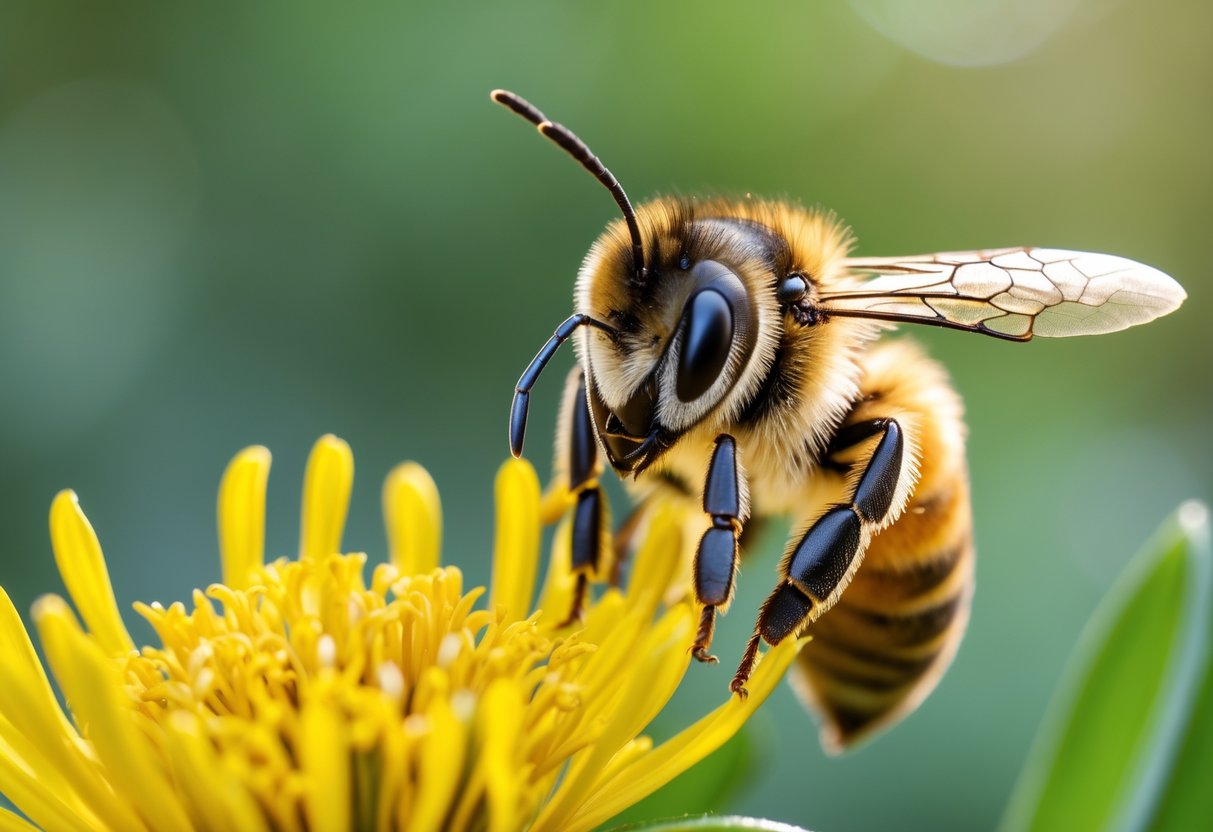
Bees get close and seem to stare because they’re curious or trying to figure out their surroundings. They use their special vision or sometimes react to what they think is a threat.
Different bees—like honey bees, bumblebees, and halictidae—do this for their own reasons.
Understanding Bee Curiosity and Behavior
Bees are naturally curious. When you see one staring, it’s probably just trying to figure out what you are.
They notice certain smells, like perfume or soap, and your natural skin scent can catch their attention.
Carpenter bees, for instance, will hover and focus on you because they pick up interesting scents from your skin or clothes.
This curiosity isn’t aggressive. Male carpenter bees can’t sting, so even if they seem intense, they’re harmless.
Honey bees and bumblebees use curiosity to find flowers or sense danger. Their version of “staring” is just information gathering.
Bee Vision and Human Perception
Bees see things in a way that’s nothing like how we do. They don’t focus like humans, but they’re great at spotting movement and patterns.
When a bee looks at you, it’s not staring in the way you might expect. With their compound eyes, they scan your shape and colors.
Bright clothes, shiny jewelry, or floral patterns grab their attention. That’s why you might find a bee hovering close or seeming to watch you.
They’re mostly just processing what you look like—trying to decide if you’re a flower, food, or maybe a threat.
Territorial and Defensive Responses
Some bees act like they’re staring because they’re protecting their turf. Male bees, especially carpenter bees, get territorial and will fly close to guard their nest area.
Even if this feels aggressive, they won’t sting. They just want to warn you to keep away.
Honey bees and bumblebees usually don’t act aggressive unless they feel threatened. If you move calmly and avoid sudden movements, bees typically won’t see you as a threat.
Want fewer bees buzzing around? Skip the strong perfumes, avoid floral clothes, and stay chill when one gets near.
For more details about bees hovering and staring, check out this bee behavior explanation.
Common Reasons Bees Are Attracted to People

Bees pay attention to you because of smells, colors, or even your sweat. Knowing what attracts them can help you avoid run-ins and appreciate these fascinating little workers.
Attraction to Sweet Scents and Perfumes
Bees love sweet smells since they connect them with nectar and pollen. If you wear floral perfume or sweet-smelling lotion, bees might mistake you for a flower.
Carrying fruit or a sugary drink can also make you a target for their curiosity.
Since bees use their sense of smell to find food, strong fragrances on your skin act like a magnet. If you want fewer bees around, avoid sweet sprays and scented products.
Bright Colors and Patterns as Visual Triggers
Bees see colors differently than we do, especially blues and ultraviolet shades. Bright clothes or bold patterns can look like flowers to them.
They might follow you around because your outfit reminds them of nectar sources.
Wearing dull or neutral colors helps you blend in. If you don’t want bees hovering, skip the bright colors next time you head outside.
Sweat Bees and the Role of Perspiration
Sweat bees, from the Halictidae family, are tiny and often go after human sweat. They want the salt and minerals in your sweat for their diet and reproduction.
If you’re sweating outside, these little bees might hover near you.
Sweat bees rarely cause harm, but their presence can feel annoying. Wiping away sweat or staying dry helps keep them away.
Distinguishing Bees From Wasps and Hornets
Not every stinging insect buzzing nearby is a bee. Wasps, yellow jackets, and hornets show a lot more aggression, and they’ll sting you more than once if they feel threatened.
Bees usually keep to themselves, just focused on gathering nectar and pollen. They’re not looking for trouble.
So, how can you tell them apart? Bees have fuzzy bodies and move at a slower pace. Wasps and hornets, on the other hand, look shiny and zip around quickly.
If you can spot these differences, you’ll probably feel a bit less anxious around them.
Curious about why bees seem to stare? There’s a deeper explanation at knowanimals.com.


