
When a queen bee dies, the hive faces some serious changes. Since the queen lays all the eggs, the colony scrambles to create a new queen fast—otherwise, the whole hive’s at risk.
This process matters a lot, honestly, because everything depends on a strong queen to keep things running smoothly.
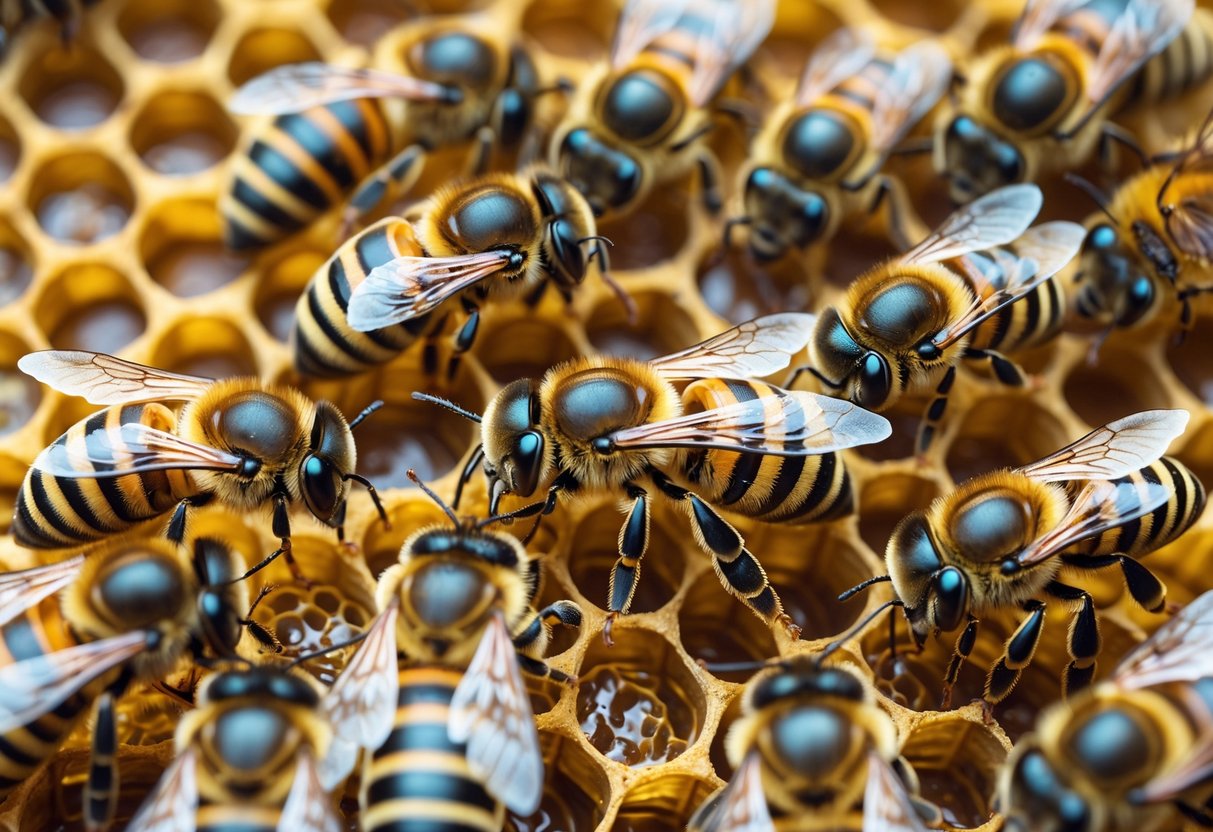
You might wonder how the bees figure things out so quickly. Worker bees jump into action, feeding special food to a few larvae, hoping to turn one into a new queen.
Until she’s ready, the colony feels out of sorts. If they can’t raise a new queen, the whole hive could collapse.
If you keep bees, knowing what happens when the queen dies can save you a lot of trouble. Spotting the signs and understanding how bees handle the loss makes it way easier to support your hive during this stressful time.
For more info, check out what happens when the queen bee dies.
What Happens When a Queen Bee Dies?

When a queen bee dies, the hive changes almost immediately. Worker bees notice the loss because her pheromones vanish, and this shifts their behavior and the hive’s organization.
The hive can’t produce new eggs like before, so the colony has to react fast to replace the queen and keep the brood safe.
Immediate Effects of Queen Loss
As soon as the queen dies, her pheromones disappear. These chemicals usually keep the hive calm and organized.
Without them, worker bees start acting differently. You might see the hive get restless or even a little chaotic.
Workers stop their normal routine and start checking larvae, hoping to find one that could become the next queen. Their sense of smell tells them the queen is gone, and that’s what kicks off the emergency response.
They begin raising a new queen from young larvae within hours. If you’re a beekeeper, you might jump in to help, but honestly, worker bees usually know what to do.
Impact on Hive Organization and Behavior
The queen’s pheromones keep the hive running smoothly, signaling unity and control. Without her, things get messy fast.
Worker bees lose their sense of order, and some even get more aggressive or defensive. The hive just feels off.
You’ll probably notice foraging slows down, and bees hang around the hive more than usual. Guard bees get edgy because the whole colony feels exposed.
Workers shift their focus to survival. They start building special queen cells and prepping for a replacement.
This change can last several days while the new queen develops and mates. The whole hive feels disrupted, but the bees do their best to keep things going.
Consequences for Egg Production and Brood
Once the queen is gone, the hive loses its only bee that can lay fertilized eggs. Egg production drops off almost instantly.
Sometimes, worker bees lay unfertilized eggs, but those only become male drones—not much help for the future of the hive.
The colony’s ability to keep its brood going depends on how fast they can raise a new queen. If it takes too long, brood numbers fall, and the colony’s future gets shaky.
Workers feed royal jelly to selected larvae, trying to get a new queen as soon as possible. Until then, the hive can’t grow or maintain healthy brood numbers, and that’s a real threat.
For more details, you can visit What Happens When a Queen Bee Dies in Her Hive.
Queen Replacement and Colony Survival

When the queen bee dies, the whole colony faces a tough situation. Worker bees notice her absence right away and kick off a plan to raise a new queen.
This process takes teamwork and a bit of luck, honestly, to give the hive a shot at surviving.
Detection and Response by Worker Bees
Worker bees realize the queen is gone because her pheromones stop spreading through the hive. Those chemical signals usually keep everyone calm and organized.
Without them, confusion sets in, and the bees know they need to act. Within about an hour, workers check for the queen.
If she’s really missing, they switch into emergency mode. Workers move quickly to prepare for a new queen, hoping to avoid a drop in the bee population or honey production.
Emergency Queen Rearing With Royal Jelly
To make a new queen, workers pick out a few young larvae—usually less than three days old. They feed these chosen larvae royal jelly, which nurse bees produce.
This special food actually triggers queen development. Royal jelly is the key here; it helps a larva turn into a queen instead of just another worker.
This queen-rearing process happens fast, so the colony doesn’t lose its chance to lay fertilized eggs. Without it, the hive wouldn’t last long.
Role of Nurse Bees and Queen Cells
Nurse bees step up in a big way when emergency queen rearing kicks off. They get busy building special structures called queen cells. These hang straight down and honestly, they look nothing like the usual cells.
Queen cells give the developing queens a safe spot until they’re ready for their mating flight. Once she emerges, the new queen heads out to mate with drones. She’ll come back to the hive and start laying eggs.
Nurse bees stick around and keep caring for her while she gets stronger. If the colony can’t raise a healthy queen, things can go downhill fast—swarming, shrinking numbers, or even more trouble with diseases like varroa mites. That’s why nurse bees and their attention to queen cells matter so much for the hive’s future.


