
Trying to dodge bees? Knowing which colors they really don’t like can make a big difference. Bees hate dark colors like black, brown, and red. These shades remind them of predators and threats. If you wear or use these colors, bees might get nervous and keep their distance.
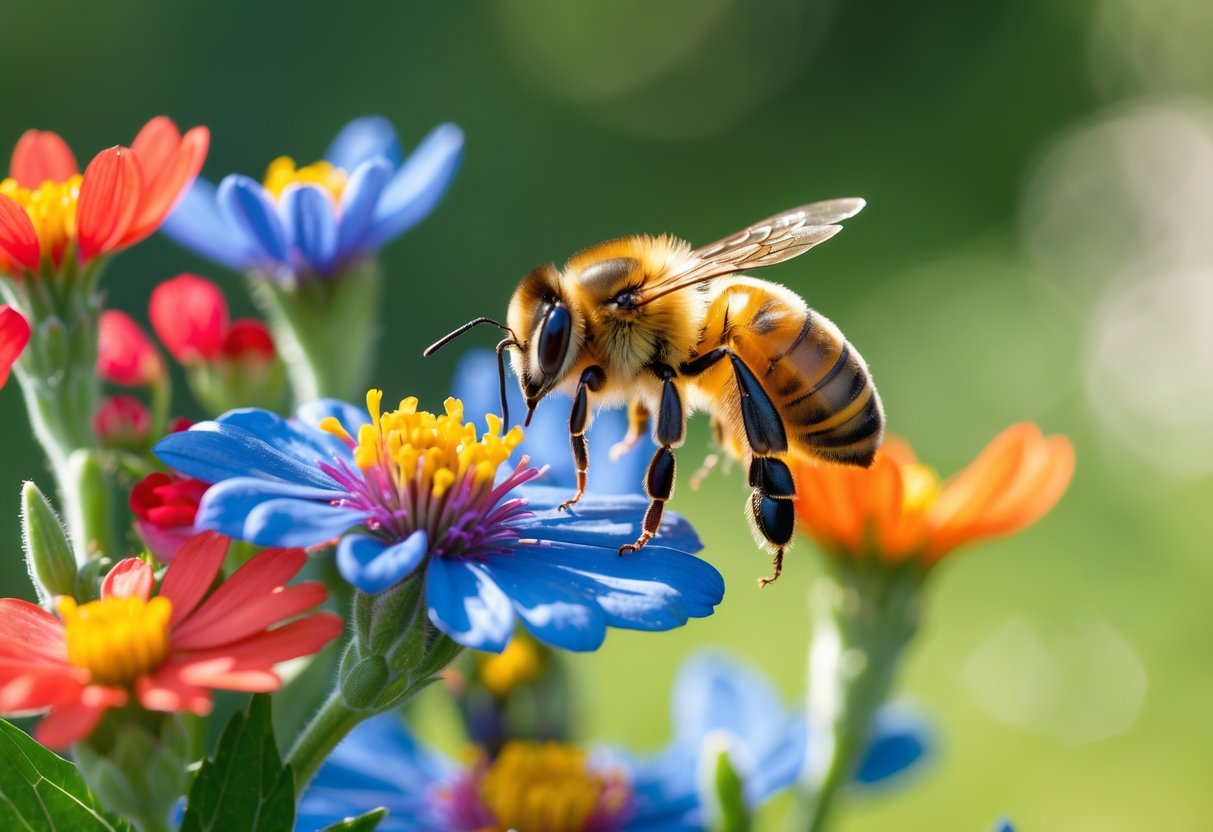
It’s kind of surprising, but bees can’t see red very well. Still, they tend to avoid it since it signals danger. Lighter colors like white and pale shades don’t bother them much, so those are safer bets if you want a chill, bee-free zone.
If you love gardening or just hanging outside but would rather not have too many bees around, understanding these color preferences can really help.
What Colors Do Bees Hate and Why?

Bees react to colors in ways that depend on their eyesight and instincts. Some colors make them feel threatened. Other shades are just tough for them to see.
If you want to avoid attracting bees or ticking them off, it helps to know how their vision works.
Bee Vision and Color Perception
Bees see the world differently than we do. They can’t pick up red at all because their eyes lack the right sensors.
Red looks like dark gray or black to a bee. Instead, they rely on ultraviolet (UV) light, which we can’t see, to spot flowers and find their way around.
Bright colors like blue, violet, and yellow grab their attention because they reflect UV light well. Dark colors don’t reflect much UV, so bees have trouble recognizing those as flowers.
With this special color vision, bees find food and steer clear of danger.
Why Bees Associate Dark Colors with Danger
Dark colors—think black, brown, and deep red—remind bees of their natural enemies. Wasps and hornets, for example, usually have dark bodies.
When you wear or use dark colors, you might notice bees acting more aggressive. They see these shades as a possible threat and want to protect their colony.
That’s why wearing dark clothing around bees isn’t the best idea.
Can Bees See Red?
Bees just can’t see red. To them, a red flower looks almost black.
Red flowers are less visible to bees compared to other colors. They’ll usually ignore red flowers unless those flowers reflect UV light that bees can actually detect.
So, if you want to attract bees, red isn’t the way to go. But if you’d rather keep bees away, red might help.
Knowing this lets you plan your garden or outdoor setup in a smarter way.
Impact of Dark Yellows and Color Combinations
Bees react to different shades of yellow in their own way. Light yellow often attracts them because it looks like the flowers they love.
But dark yellow can confuse or even repel bees, since it mixes with darker tones they associate with danger.
Color combos matter too. When you wear dark colors with bright patches—like black and yellow—it can make bees more alert.
This pattern is common in hornets and wasps, so bees might avoid or get aggressive around it.
If you want to keep bees calm, go for pale colors like whites or light blues. Avoid bright yellows or dark mixes that look like bee predators.
For more about how dark colors affect bees, check out What Colors Do Bees Hate and Why They Avoid Them.
Practical Applications and Bee-Friendly Choices
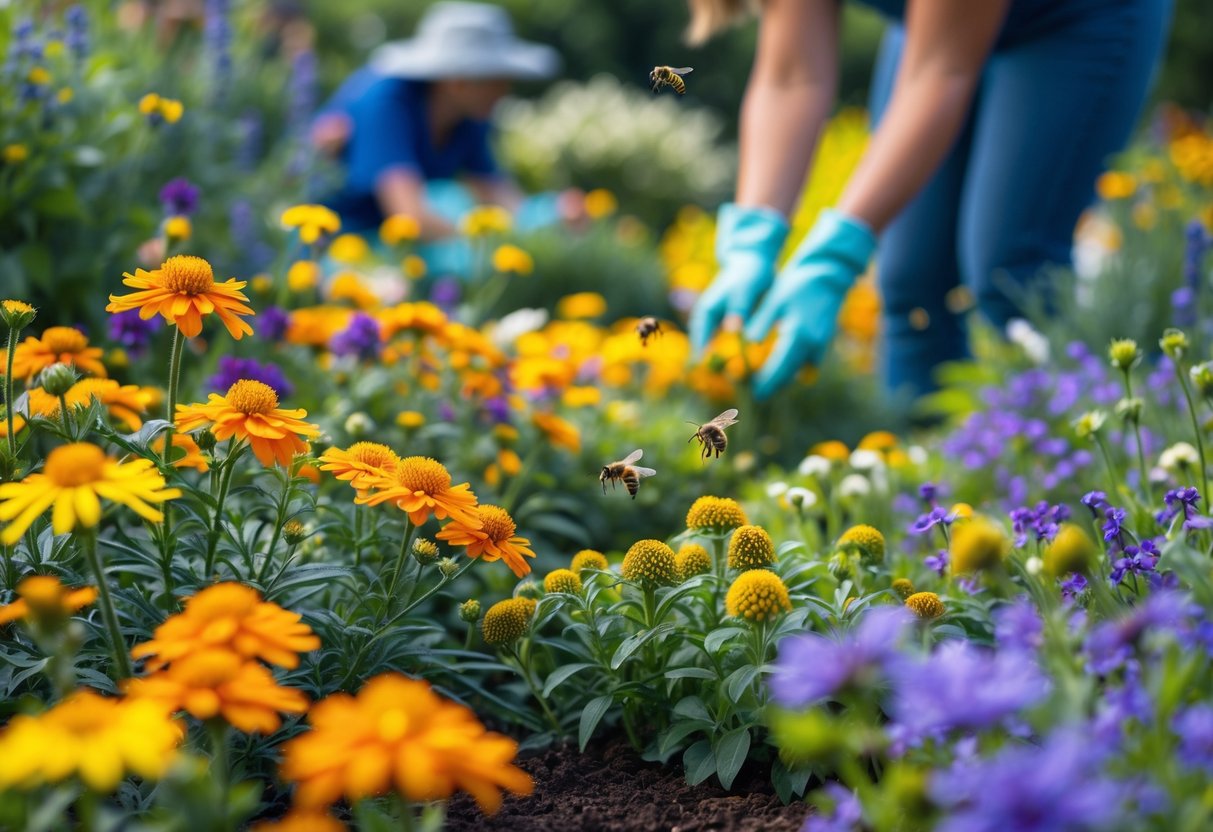
You can pick certain colors and plants to cut down on bee visits. Choosing the right clothes, gear, and garden plants helps keep bees calm or steers them away from your favorite spots.
Knowing which colors and flowers work for you makes outdoor time safer and just more enjoyable.
Clothing Colors to Avoid Around Bees
Bees don’t like dark colors like black and red. They see these as threats.
Wearing black or red can make bees act more aggressive, and nobody wants that. Instead, stick with light colors like white, pale yellow, or beige.
These shades don’t attract bees, so you’ll blend in better.
Avoid shiny or brightly patterned fabrics too. Those can throw bees off.
Plain, soft-colored clothes are your best bet when you’re outside where bees might be buzzing around.
Bee Suits and Their Colors
Bee suits usually come in white or light colors. These keep bees calm.
White reflects sunlight and doesn’t freak bees out. Full suits cover your body and help prevent stings, but color still matters.
Most suits have veils and gloves in matching light shades to protect your face and hands. Light colors don’t attract bees, so you stay safer.
If you work with bees a lot, a white or pale bee suit is a smart investment.
Gardening Tips: Flowers and Plants Bees Dislike
Some plants naturally repel bees or just don’t attract them much. Mint is a good example; its strong smell can keep bees away from certain corners.
Marigolds also work to repel bees and other insects. They give your outdoor space a little extra protection.
If you want fewer bees near patios or doorways, avoid planting mostly purple or bright yellow flowers there. These colors attract bees because they signal lots of nectar.
Try herbs with strong scents or white flowers instead—bees find those less interesting.
Plants That Attract or Repel Bees
Bees really go for nectar-rich plants, especially ones with blue, purple, or yellow flowers. Those colors just pop for them. Lavender and a lot of purple flowers seem to pull in pollinators like bees and even hummingbirds.
If you’re hoping to cut down on bee visits, try planting marigolds or mint. Both of those tend to keep bees at bay, so you can create little zones where bees don’t hang around as much. White flowers? Bees usually ignore them, so if you’ve got a play area or a favorite spot to sit, it makes sense to plant more white blooms nearby.
Honestly, mixing up your flowers gives you a lot of control over how many bees you see. It’s all about finding the balance that works for your space.


