
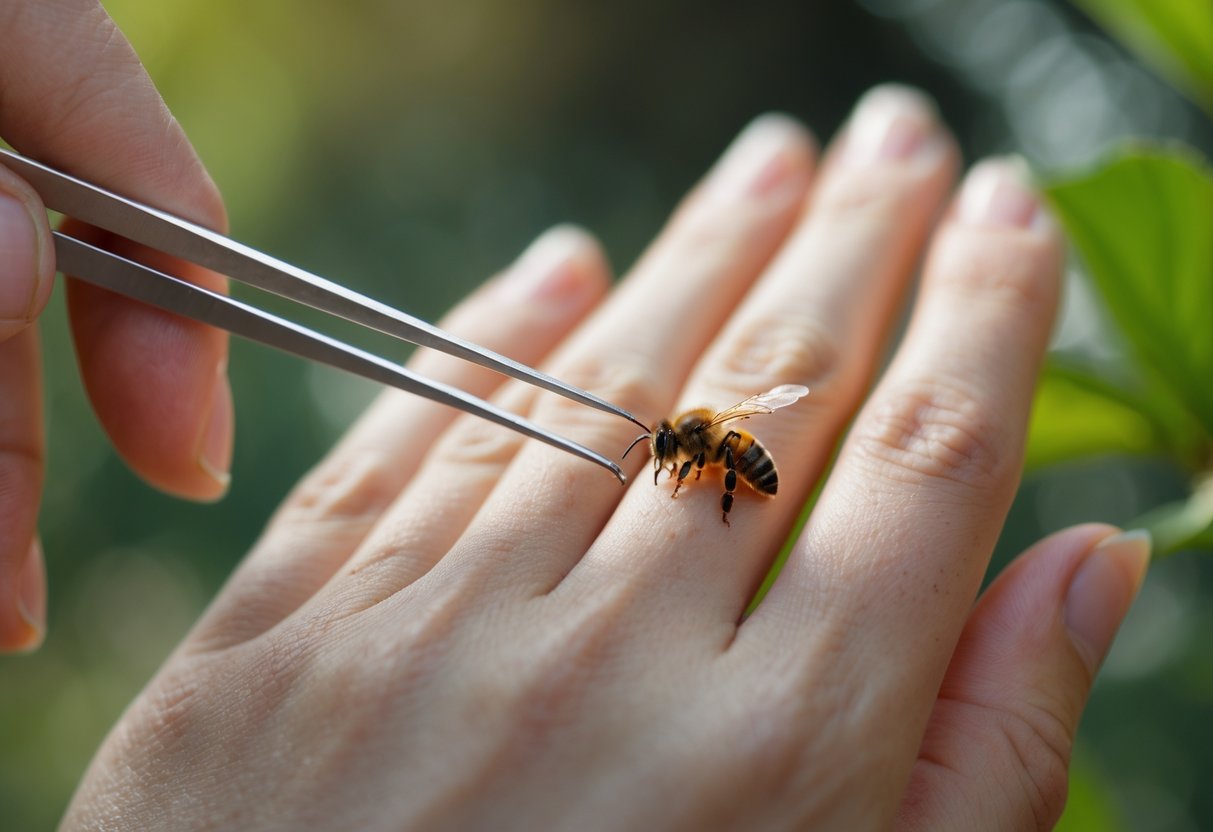
So, you just got stung by a bee. Ouch. The first thing you’ll want to do is get that stinger out as soon as you can. If you leave it in, more venom might seep in and make the pain and swelling worse.
Once you’ve done that, go ahead and clean the area. There are some pretty easy ways to calm down the sting and make yourself a bit more comfortable.
Keep an eye out for any signs of a serious allergic reaction. If you notice trouble breathing or swelling that spreads past the sting, don’t mess around—get emergency help right away.
Most of the time, though, you can just pop some ice on it and maybe take a pain reliever. That usually does the trick for the pain and swelling.
Acting quickly really does help. It makes a difference in how you’ll feel afterward. If you want more info, there are solid resources like how to treat a bee sting safely at home.
Immediate Steps to Take After a Bee Sting
Getting stung by a bee is never fun. If it happens, move fast to help cut down on pain, swelling, and the risk of infection.
Start by removing the stinger, then clean up the area. After that, focus on easing the pain and swelling.
How to Remove the Bee Stinger
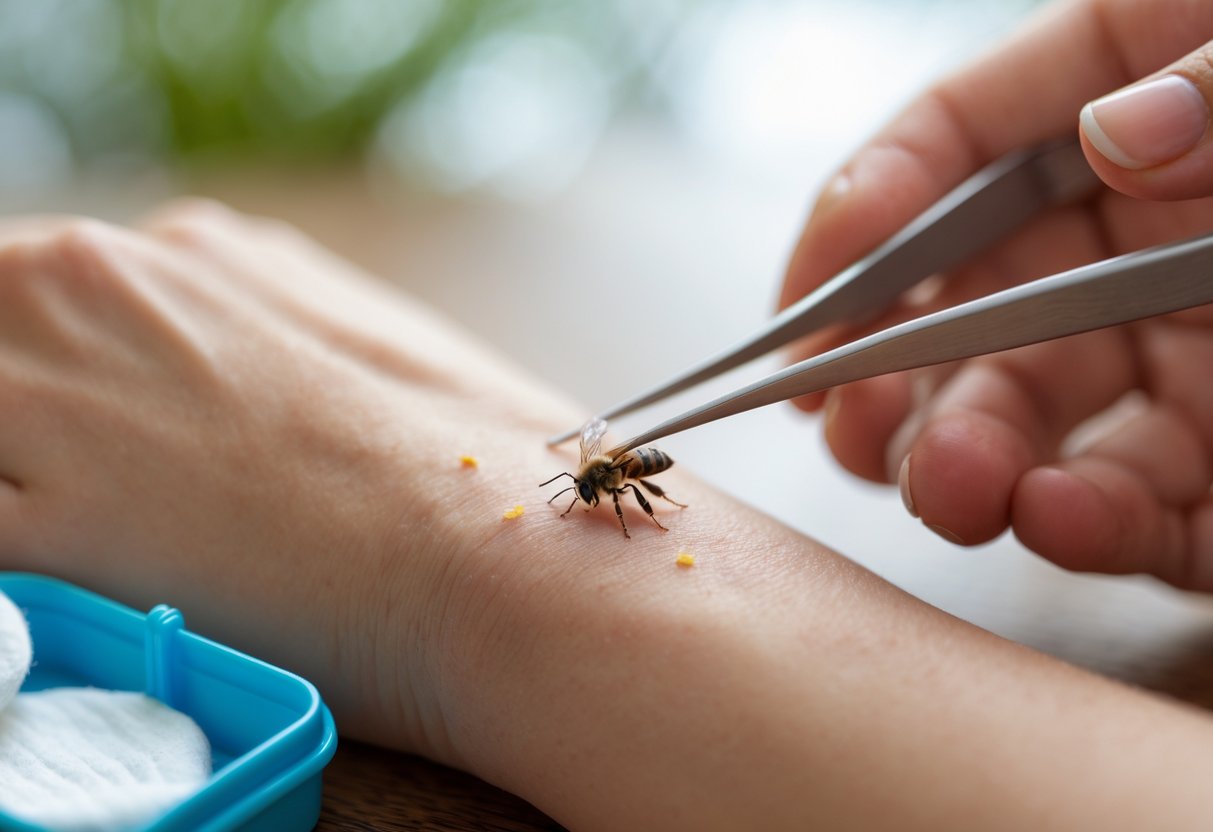
You should pull out the bee stinger right away. Honey bees leave their barbed stinger behind, and it keeps pumping venom if you don’t get it out.
Don’t grab for the tweezers—squeezing can push more venom in. Use something flat, like a credit card or your fingernail, and gently scrape it out.
Try not to crush the little venom sac that’s stuck to the stinger. The sooner you get the stinger out, the less venom you’ll have to deal with.
Cleaning the Sting Site
After you’ve removed the stinger, wash the spot with soap and water. Keeping it clean helps prevent infection.
Pat the area dry with a clean towel. Try not to scratch or rub it, even if it’s itchy.
If you notice the redness spreading or see any pus, you might have an infection. In that case, reach out to a doctor.
Reducing Pain and Swelling
Grab some ice or a cold pack, wrap it in a cloth, and hold it on the sting for about 10 to 15 minutes. That’ll help with pain and swelling.
If it still hurts, you can take ibuprofen or acetaminophen. Those usually help with discomfort.
Antihistamines or a bit of hydrocortisone cream can calm down itching and swelling. If you got stung on your arm or leg, prop it up to keep swelling down.
Try not to scratch. It only makes things worse.
If you want more details, check out this guide on how to treat a bee sting.
Managing Reactions and Treating Bee Stings at Home

If a bee or wasp stings you, it’s good to know what’s serious and what you can handle at home. It’s also smart to know when you should call for help.
Identifying Severe Allergic Reaction Signs
Some people have a severe allergic reaction to bee stings—anaphylaxis. If you start having trouble breathing, your face or throat swells up, your heart races, you feel dizzy, or you pass out, that’s serious.
If you’ve got an Epipen, use it right away and call 911. If you don’t have one but feel those symptoms, get help immediately.
A little swelling and redness are normal. But if things get worse quickly or you feel sick, don’t wait—get medical attention.
Home Remedies for Mild Stings
For mild stings, scrape out the stinger with a card or your fingernail. That way, you don’t squeeze more venom in.
Wash up with soap and water. Put a cold pack or ice on the sting to help with pain and swelling.
A dab of calamine lotion or a baking soda paste can calm the itch. Some people swear by witch hazel or apple cider vinegar for soothing the area.
If you’re feeling adventurous, a touch of honey might help too—just make sure the skin isn’t broken.
Medical Treatments and When to Seek Help
If swelling or pain gets worse after a few days, or you end up with a bunch of stings, try taking an oral antihistamine like Benadryl. That usually helps cut down on itching and swelling.
You can also use corticosteroid creams or pills if the reaction just won’t go away. Sometimes, the itchiness just lingers, and these can make a difference.
Go see a doctor right away if you have multiple stings or notice signs of infection like more redness, warmth, or any pus. It’s just not worth waiting it out when things look or feel worse.
If you develop breathing problems or other allergic symptoms, get emergency care immediately—even if you’ve never had allergies before. Don’t try to tough it out.
If you have a history of severe allergic reactions, always keep an Epipen nearby. And if you’re ever unsure about your symptoms, just call emergency services—better safe than sorry.


