
If a bee starts flying around you, try your best to stay calm and avoid any sudden movements. Moving slowly and quietly helps the bee feel less threatened, which lowers your chances of getting stung.
Bees are usually just curious or maybe attracted to a scent, so panicking really won’t help.

You might wonder why the bee keeps buzzing around. Sometimes it’s just checking out a smell on your clothes or exploring the area.
If you know how to react calmly, you can keep yourself safe and make the whole thing less stressful for both you and the bee.
How to Safely Respond When a Bee Is Around You
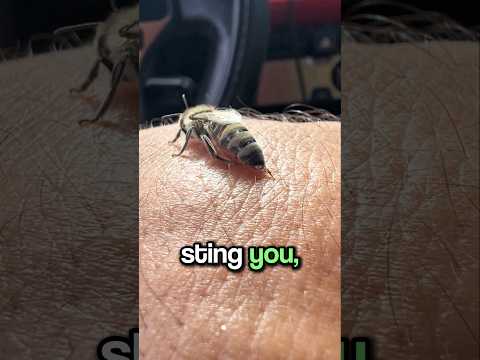
When a bee gets close, try to stay calm and notice what it’s doing. If you know how to react, you can avoid getting stung and gently encourage the bee to move along.
Stay Calm and Avoid Sudden Movements
Most bees don’t want to sting you. If you see a bee hovering nearby, try not to panic.
Take a deep breath and move gently. Quick or jerky movements can make bees nervous.
If you need to get away, do it slowly. Swatting at a bee almost always makes things worse.
Keep your hands by your sides or, if you really have to, slowly wave them to nudge the bee away. That way, bees feel less threatened and you’re a lot less likely to get stung.
Reading Bee Body Language
Pay attention to how the bee acts. If it’s just hovering or flying calmly, it’s probably just looking for flowers or exploring.
If the bee starts buzzing loudly or circles your head over and over, it might feel threatened or protective—maybe there’s a hive nearby.
Watch out for quick, jerky flights or a bee that sticks close to you for a while. These signs mean the bee could be agitated.
If that happens, move away slowly. It usually helps calm the bee down.
Safely Encouraging a Bee to Leave
If a bee lands on you, try to stay still. Bees usually fly off on their own after a moment.
To encourage the bee to leave, you can gently blow on it or softly brush it off with your hand or even a leaf. Just be gentle.
You can also just walk away slowly to give the bee some space. That’s almost always better than swatting or making fast moves.
If you want more tips on staying calm around bees, check out how to react when a bee is flying around you.
Actions to Avoid When a Bee Is Nearby
Don’t wave your arms wildly or try to smack the bee. That just makes the bee feel threatened and increases your chances of getting stung.
Skip the strong perfumes, bright colors, or floral prints—bees love those and might come closer to check you out.
Don’t try to catch or trap the bee. That usually makes it panic and sting to defend itself.
If you spot a hive or a swarm, keep your distance. Let a professional handle it. If you’re not sure what to do about a swarm, check out some bee swarm safety guides.
Understanding Bee Types, Encounters, and Preventing Stings

Bees come near people for all sorts of reasons—maybe they’re searching for food or just curious about your scent. If you know which bees are around and how to react, you can avoid stings and still respect their role as pollinators.
Why Bees Approach or Hover Near People
Bees often hover near you because they’re curious or attracted by scents like sweat, perfume, or even soap. Some, like sweat bees, really like the salt in your sweat.
Carpenter bees sometimes hover near wood, looking for a good spot to nest. Usually, bees aren’t out to sting you.
They sting only when they feel threatened. If you stay calm and avoid quick moves, you can prevent most stings.
If a bee lands on you, try not to swat or brush it off too fast.
Common Types of Bees You Might Encounter
You might run into a few different kinds of bees outside, but not all of them are aggressive.
- Honeybees are the most common and usually only sting if they’re defending their hive.
- Bumblebees look big and fuzzy but generally don’t sting unless you bother them.
- Sweat bees are tiny and like sweat, but their stings are mild.
- Carpenter bees look a lot like bumblebees and drill into wood. Males can look scary but don’t sting; females can sting if you really provoke them.
Most of these bees help pollinate plants and grow our food. If you learn to spot them, you can avoid trouble and appreciate their work.
What to Do if Stung by a Bee
If a bee stings you, scrape the stinger out quickly with something flat, like a credit card. Try not to squeeze it because that can push more venom in.
Wash the spot with soap and water to keep it clean. Ice helps reduce swelling and pain.
You can use over-the-counter creams or take an antihistamine if you get itchy.
If you notice trouble breathing or your face starts to swell, get emergency medical help right away.
Long-Term Tips to Minimize Future Bee Encounters
You can cut down on bee encounters with a few easy habits.
- Skip the bright colors or floral patterns when you head outside.
- Try not to use sweet-smelling lotions or perfumes.
- Cover up food and drinks if you’re eating outdoors.
- Seal up holes or cracks in wooden structures, since carpenter bees love those spots.
- If you want to help bees, plant their favorite flowers away from paths where people walk a lot.
Learning how bees behave—and just staying calm—makes it a lot easier to relax outside without stressing about stings.


