
If a bee stings you and you leave the stinger in, it keeps pumping venom into your skin. The longer that stinger sits there, the more painful and swollen the sting gets. That venom just makes everything worse, leading to discomfort that drags on way longer than necessary.
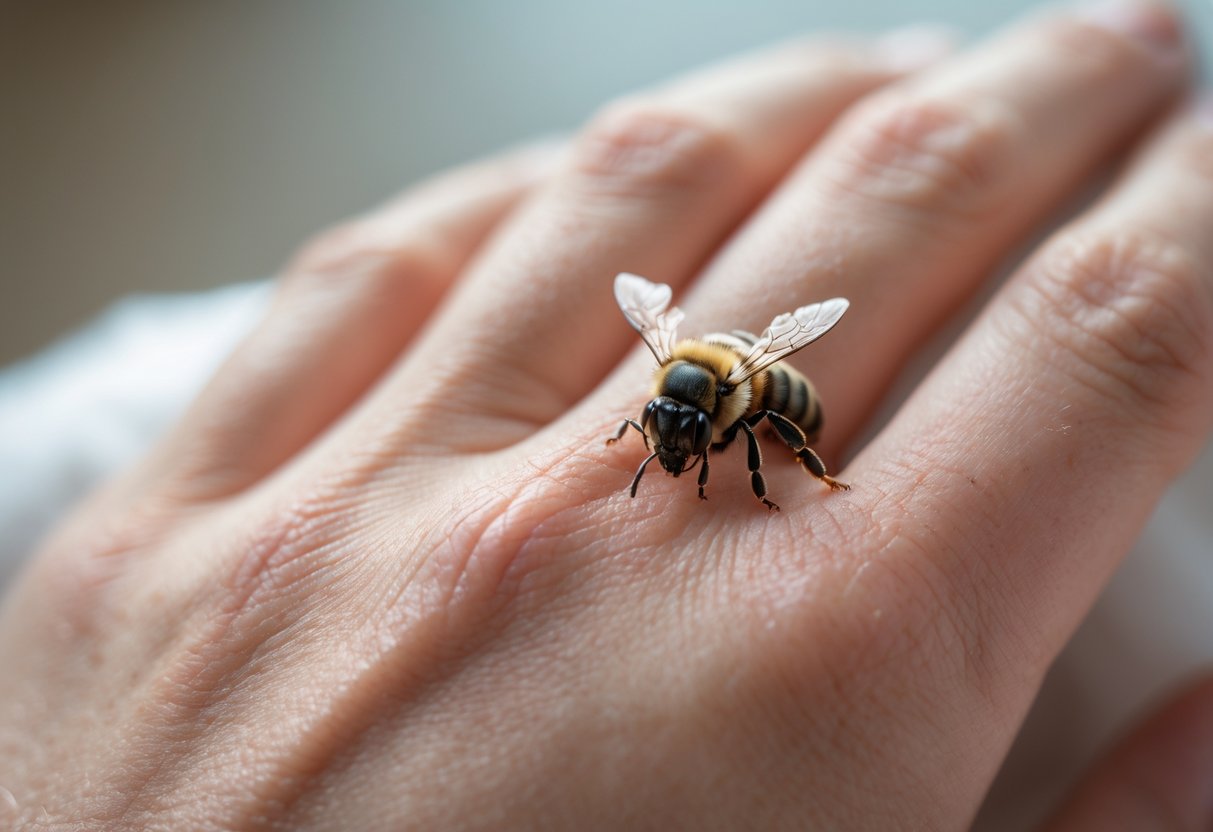
Leaving the stinger in can bump up your risk for infection or trigger an allergic reaction, especially if you already know you’re sensitive to bee venom.
Those barbs on the stinger make it stick, so you really want to pull it out gently and as soon as you notice it. That’s the best way to stop more venom from getting into your body.
Knowing what happens if you don’t remove a bee stinger can help you act fast and save yourself some pain. Want to know how to get that stinger out safely and what to watch for after a sting? Keep reading.
Immediate and Long-Term Consequences of Not Removing a Bee Stinger

When a bee stinger stays in your skin, it keeps affecting your body for a while. You’ll probably notice more pain, swelling, and maybe even infection.
Sometimes, you might also get allergic reactions that could get serious if you don’t treat them.
Continuous Release of Bee Venom
Those tiny barbs on a bee stinger make it tough to pull out. Once the stinger is stuck, it keeps pushing venom into your skin.
That venom can keep flowing for several minutes after the sting.
As the venom keeps entering your body, the sting area gets even more irritated. The venom does some local damage and fires up your immune system.
If you leave the stinger in, you just get more venom, which means more pain and swelling. Pulling the stinger out quickly stops this process and helps your skin start healing.
Increased Pain and Swelling
If you don’t remove the bee stinger fast, the sting spot usually gets even sorer and more swollen. The venom makes your cells release chemicals that boost blood flow and bring in immune cells to fight the toxin.
That’s why you see redness, puffiness, and itching. Sometimes the pain starts sharp but turns into a throbbing or burning feeling.
Swelling can get bigger than you’d expect and stick around for a while. You might feel tenderness at the sting site for days if the stinger stays put.
Heightened Infection Risk
Leaving the bee stinger in your skin makes infection more likely. The stinger is a foreign object and can bring bacteria with it.
If you scratch or rub the area, you might break the skin more and give germs a way in.
Watch for signs like extra warmth, pus, or redness that spreads beyond the sting. If you see any of that, clean the area well and check in with a doctor to keep things from getting worse.
Delayed or Severe Allergic Reactions
Some folks react to bee venom with delayed allergies. If the stinger isn’t removed, all that extra venom can trigger a stronger immune response.
Delayed symptoms might show up as itching, rashes, or swelling away from the original sting.
Rarely, a dangerous allergic reaction called anaphylaxis can happen. That causes trouble breathing, swelling in your face or throat, and a drop in blood pressure.
If you or someone else notices these signs, call emergency services right away. Pulling the stinger out helps lower the venom dose and might reduce these risks.
Recognizing Symptoms and Safe Response Steps

When a bee stinger’s still in your skin, pay attention to pain, swelling, and anything that seems off. Spotting problems early and knowing what to do can make you feel better and stop things from getting worse.
How to Identify a Retained Bee Stinger
A bee stinger usually looks like a tiny, sharp black or dark spot on your skin. It’s often barbed and might stick out after the bee flies off.
You’ll probably notice more pain or a burning feeling where you got stung.
Check for the stinger within a few minutes of being stung. If it’s still there, venom keeps seeping in, which can mean more swelling and soreness.
Use something flat, like a credit card or even your fingernail, to gently scrape it out. Try not to squeeze it with tweezers, since that could push more venom in.
Signs of Infection from a Bee Sting
Infections at the sting site happen when bacteria sneak into broken skin. Look for redness that spreads, warmth, or any thick yellowish pus.
Tenderness or red streaks moving away from the sting are also warning signs.
If you get a fever or notice swelling that gets worse after a couple of days, the sting might be infected. In that case, don’t wait—see a doctor.
Keeping the area clean and not scratching helps keep infection away.
Monitoring for Allergic Reaction or Anaphylaxis
Mild allergic reactions might look like itching, redness, or swelling beyond the sting spot. More serious reactions can mess with your breathing, cause dizziness, or lead to swelling in your face, lips, or throat.
These can turn dangerous fast.
If you feel tightness in your chest, can’t breathe well, or start fainting, get emergency help right away. That’s anaphylaxis, and it needs quick treatment with epinephrine and medical care.
Recommended First Aid and Relief Methods
Start by carefully removing the stinger. That way, you stop more venom from getting in.
Gently wash the area with soap and water. After that, grab a cold compress or ice pack to help with pain and swelling.
Try calamine lotion or an antihistamine cream if the spot feels itchy or inflamed. If the pain feels pretty strong, you might want to take an over-the-counter pain reliever like ibuprofen.
Definitely avoid scratching, since that can lead to infection.
If things start to get worse—like if you notice the redness spreading or, honestly, any trouble breathing—don’t wait. Go see a healthcare provider right away.
For more details, check out What happens if a bee stinger is not removed?


