
Bees don’t usually sting unless they feel threatened. If you want to avoid getting stung, try to stay calm and don’t make sudden moves.
Wear light-colored clothes, skip strong scents, and avoid bee nests whenever you can. These simple habits really lower your chances of a sting.
If you understand how bees act, you can relax and enjoy being outside without too much worry.
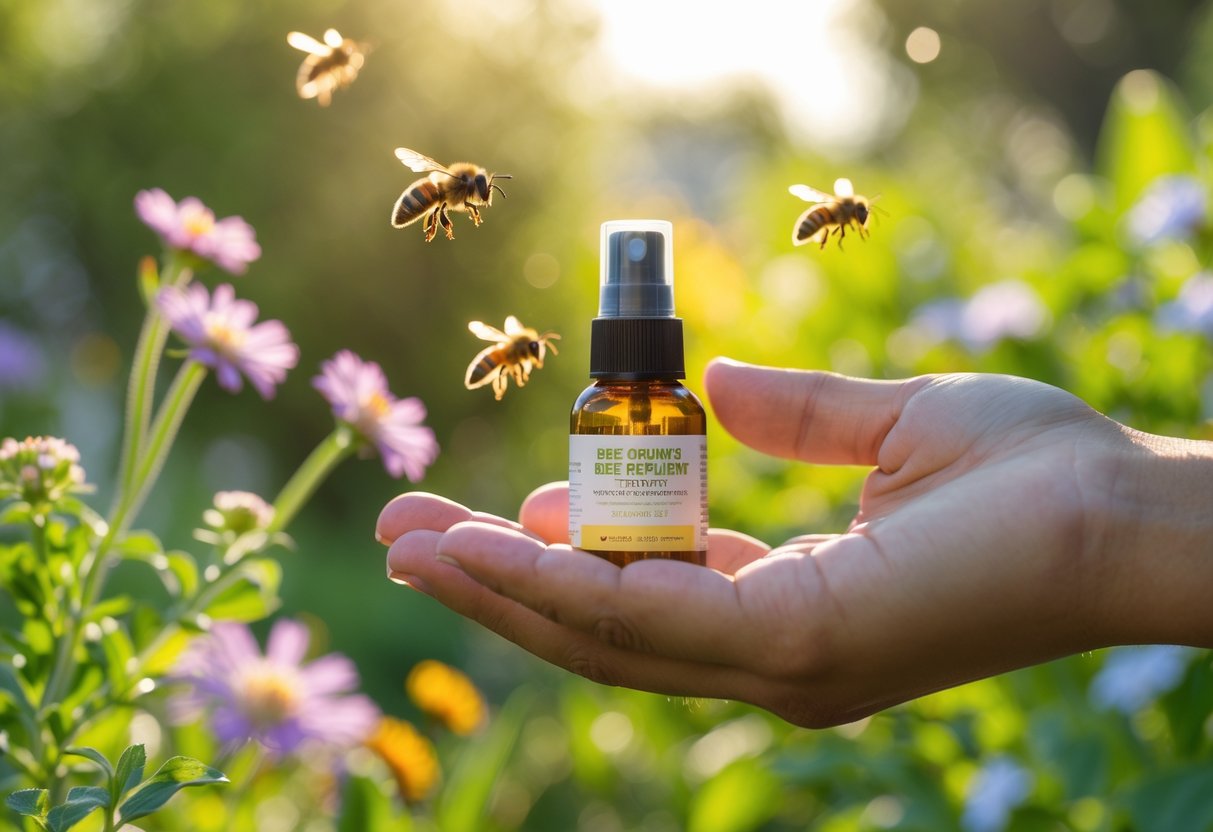
If a bee flies close, don’t swat or shoo it. That just makes the bee nervous and more likely to sting.
Just stay still. Most of the time, the bee will move on by itself.
Wearing the right clothes and skipping spots where bees gather helps a lot.
Pick up a few easy tricks, and you’ll feel way more confident outside. It’s not rocket science, but it can make a big difference.
Essential Ways to Prevent Bees from Stinging You

You can avoid bee stings if you know what sets them off. The clothes you wear, your scent, and how you act around bees all play a part.
Stay calm and be ready. That way, you won’t upset these important little workers, and you’ll stay safe too.
Understanding Bee Behavior and Triggers
Bees sting when they feel threatened. Honeybees and Africanized honeybees defend their nests or themselves if you get too close.
If you spot bees building hives or collecting pollen, just give them space.
Bees pick up on quick moves, loud sounds, and strong smells. Swatting or wearing bright colors can make them nervous.
They’re just trying to protect their colony. If you move slowly and don’t panic, bees usually leave you alone.
Choosing Proper Clothing and Scents
What you wear really matters. Light-colored, smooth clothes help you blend in, so bees don’t notice you as much.
Skip sweet or flowery perfumes, lotions, and hair products. Those smells just attract bees.
Go for unscented stuff, and try long sleeves and pants to cover more skin.
Some people use essential oils like citronella or lemongrass. Those can keep bees at bay without hurting them.
Staying Calm and Responding to Bee Encounters
If a bee buzzes near you, try not to freak out. Slow movements or just standing still work better than waving your arms.
Swatting or running only makes things worse. Bees feel threatened and might sting.
If you get stung and you know you’re allergic, use your EpiPen right away and call for help. Don’t wait.
If you’re not allergic, pull the stinger out fast and put some ice on it. That should help with pain and swelling.
Effective Methods to Deter Bees Naturally and Safely
You don’t have to hurt bees to keep them away. There are gentle ways to protect yourself and your space.
You can pick the right plants and scents, try natural repellents, watch your outdoor food, and get help if you need it.
These tips make it easier to live alongside bees without trouble.
Selecting Plants and Scents That Keep Bees Away
Some plants naturally push bees away with their scent. Mint, lavender, sunflower, and coneflower all work pretty well.
Plant them near your patio or wherever you hang out outside. You’ll probably notice fewer bees around.
Scents like citronella oil, eucalyptus oil, peppermint oil, and cloves can also help. Bees don’t like strong smells.
Put these oils on cotton balls or make a spray for doorways and patios. You can keep bees away without using harsh stuff.
These natural barriers tell bees to go elsewhere. It’s a win-win—you get fewer bees, and they stay safe too.
Using Natural Repellents and Household Remedies
Natural repellents let you keep bees away without hurting them. Citronella candles are a classic for outdoor spaces.
Light a few around your picnic or patio, and bees usually steer clear.
Some folks use vinegar or mothballs to keep bees out of certain spots. Just be careful with mothballs if you have pets or kids.
Try making a spray with essential oils and water. Spray it around your yard or by bee nests, and bees may decide to move along.
Skip the harsh chemicals. They’re bad for bees and the environment, and honestly, who needs that?
Managing Food and Avoiding Attractants Outdoors
Bees love nectar and pollen, but they’re also after sugary drinks, open trash, and leftover food.
Cover your food and drinks when you’re outside. Wipe up spills fast.
Keep garbage cans closed tight, and don’t leave pet food sitting out. If you’re serving drinks, lids or straws help keep bees out.
These small steps make your space less tempting for bees.
If you know where bee nests or colonies are, just avoid those spots. It’s easier than dealing with a sting.
When to Consult a Professional Beekeeper
So, you’ve spotted a bee nest or maybe a whole colony hanging out near your place. Honestly, it’s smarter to reach out to a professional beekeeper instead of tackling the problem on your own.
Beekeepers know how bees act and bring the right gear to move them gently. They’ll protect your home, the bees, and honestly, probably your nerves too.
If the bees seem a little too feisty or you’re allergic, don’t take any chances. Call a beekeeper—they’ll handle it safely and help keep your neighborhood friendly to bees.
Need more tips on dealing with bees naturally? Check out 6 Ways To Make Bees Go Away That Are Easy and Safe.


