
So, you’ve just finished The Bee Sting or maybe you’re just curious about how things wrap up. You might be wondering what really goes down at the end. Paul Murray closes the story on an ambiguous note. The characters face some tough choices and deep struggles—kind of like a bee that stings to protect its hive but ends up sacrificing itself. It’s a reminder that sometimes, people hurt themselves while trying to shield their loved ones or hide their secrets.

In those final scenes, the fractured Barnes family comes together in a tense, emotional moment. Each of them faces fear, guilt, or hope, but Murray leaves a lot open for you to figure out. If you’re looking for the symbolism behind the bee’s sting and how it ties into their actions, this post should help you see the ending from a different angle.
The Bee Sting’s Final Scene: What Happens?
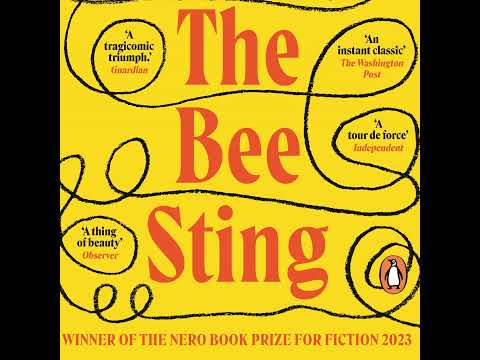
The last part of The Bee Sting throws you into a tense, rainy setting where the main characters meet. The ending leaves you with big questions about what’s really next.
You see moments packed with fear, hope, and confusion.
The Storm-Soaked Forest and Key Characters
Dickie, Imelda, Cass, PJ, and Victor all end up together in a dark forest. The storm makes everything wet and wild.
Each of them carries emotional pain and secrets that have built up the whole book.
Dickie tries to fix the family, weighed down by guilt. PJ feels tense and unsure about what’s ahead.
Cass, who’s often lost, tries to make sense of the chaos. Imelda and Victor have their own worries, and it all clashes in this wild place.
The storm outside mirrors the storm inside each of them.
This setting pretty much forces everyone to confront each other. It’s not just the weather—it’s their emotions, too, swirling together as they face their fears and hopes.
The Ambiguous Gunshot and Last Line
Then comes the mysterious gunshot. Murray never tells you who fired it or what happens right after.
That sudden noise shocks everyone, and you feel the tension spike.
Paul Murray uses that moment to stir up surprise and uncertainty. The gunshot acts like a “bee sting”—sharp, sudden, and with unclear fallout.
You’re left wondering: is it violence, desperation, or something else?
The last line just adds to the mystery. It hints at sadness and pain that never really get resolved.
But Murray stops short of explaining everything, leaving you to imagine what’s next.
Multiple Perspectives and Unresolved Fates
You get the ending through different points of view, which makes things even trickier.
Paul Murray jumps between the characters’ heads, so you catch their thoughts all at once.
This keeps the meaning wide open.
The fate of Dickie, Imelda, and the rest stays unclear. You don’t get a neat ending—just a web of possibilities.
Does someone make it out? Does hope come back? Or does everything collapse?
Murray’s style keeps things unresolved, mixing reality and emotion so you’ll keep thinking about the story long after you finish. If you want more details, you can check out the ending explanation on GoodNovel.
Exploring the Meaning and Interpretations of the Ending

The ending of The Bee Sting leaves a lot for you to chew on. It touches on secrets, pain, and maybe even change.
People online, especially on Goodreads, toss around all kinds of opinions about what happened. Here’s a look at some of the big ideas and reactions tied to the book’s finish.
Ambiguity and Open-Endedness
The ending doesn’t hand you a clear answer. Real life’s messy and confusing, and Murray mirrors that.
You might notice the story dodges a single meaning because the problems are just too complicated for easy solutions.
This open-ended style pushes you to wonder what could happen next or what the characters’ choices really mean.
Readers on Goodreads say the lack of closure can be both frustrating and thought-provoking. It kind of forces you to reflect on the themes and the tangled mess of family, love, and mistakes.
Themes of Secrecy, Trauma, and Redemption
Secrecy sits at the center of the story’s ending. Each character hides truths that shape what they do and what happens to them.
These secrets bring tension and heartbreak. They show how old wounds can really mess with your present.
Trauma runs through the family and drives their choices. Some of them look for redemption, hoping to fix or at least understand what’s broken.
The bee sting itself—hurting others to protect yourself or your group, even if it costs you—ties right into these themes. It adds extra layers, showing how protection and harm can be tangled together.
Reader Reactions and Community Discussions
If you poke around the Goodreads community or the “Ask the Author” sections, you’ll stumble on some lively debates about the ending.
Readers jump in with all sorts of emotions—some feel shocked, others sad, and a few seem pretty satisfied.
People love arguing over what the ending really means. Does it fit with the rest of the book? Maybe, maybe not.
These conversations really highlight how The Bee Sting grabs people, both emotionally and intellectually.
Fans recommend the novel in all sorts of circles—fiction, historical fiction, you name it—mostly because of its rich storytelling and that twisty ending.
You can jump into these discussions yourself, see what others think, and maybe even find a whole new way to look at the story.


