
When a bee stings you, its venom goes straight into your skin and sets off a reaction. Your body jumps into action, causing pain, swelling, and redness.
Your immune system scrambles because it senses the proteins and chemicals in the venom. Bee venom sparks inflammation and wakes up your immune response, so that’s why it hurts and swells up.

But there’s more to bee venom than just pain. Some folks actually use small doses of bee venom to try and reduce allergies or help with certain pain and inflammation issues.
It even has a place in bee venom therapy, where people get tiny amounts on purpose, hoping to train their immune system to handle it better.
If you know what bee venom does inside your body, you might understand why it stings so much—and maybe why some people seek out its possible health benefits.
You’ll see how your body fights the venom and why it’s sometimes used in specific treatments.
How Bee Venom Affects the Human Body
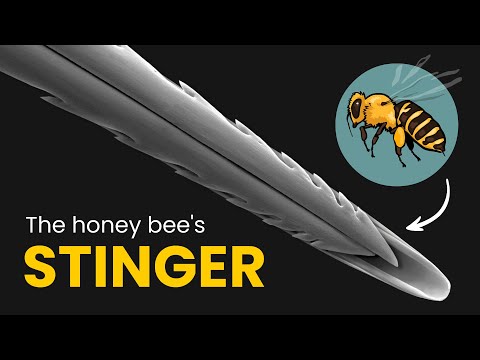
Bee venom comes packed with several active parts that mess with your body in different ways. It can cause pain, swelling, and kick your immune system into gear.
Sometimes, it even leads to serious allergic reactions. Knowing what happens inside your body can help you figure out how to react if you get stung or if you’re considering bee venom therapy.
Key Components and Their Actions
Bee venom mixes up proteins and enzymes. The main one, melittin, makes up half the venom and can break down cell membranes, leading to pain and swelling.
Another enzyme, phospholipase A2, damages cell membranes and fires up your immune system. Apamin works as a neurotoxin, messing with your nerves and causing pain or itching.
Hyaluronidase breaks down tissue between your cells, letting the venom spread faster. Adolapin can help with inflammation and pain, though there’s not much of it in each sting.
All these parts team up to create the strong effects you feel after a bee sting.
Immediate Effects of a Bee Sting
When a bee stings, the venom shoots into your skin almost instantly. The sting brings sharp pain right away.
You’ll probably notice redness, swelling, and warmth around the sting within minutes. Your body reacts to melittin and the other compounds, causing local inflammation.
Tiny blood vessels start leaking, and immune cells rush to the spot. The venom also sets off your nerves, making the pain feel even worse.
Usually, these effects stay local and fade after a few hours or a couple of days. If you get stung more than once, the pain and swelling can get more intense.
Immune Response and Inflammation
Your immune system treats bee venom like an enemy. It sends white blood cells to the sting to take on the venom’s proteins.
This battle causes inflammation—so you get swelling, redness, and pain. Chemicals like histamine leak out and make your blood vessels spill fluid into the area.
For most people, this response is normal and actually helps. Some even use controlled doses of bee venom in therapy to train the immune system, but you’ve got to be careful with that.
Potential Toxicity and Allergic Reactions
Most bee stings just hurt, but some people can have a serious allergic reaction called anaphylaxis. This can make it hard to breathe, cause hives, or swell your throat—definitely dangerous.
The risk goes up if you get a lot of venom or many stings at once. People who know they’re allergic should steer clear of bees.
It’s smart to carry emergency medicine like an epinephrine injector and get medical help fast if you’re stung and allergic.
If you want more details about bee venom and its effects, check out this page on bee venom uses and side effects.
Therapeutic and Health Effects of Bee Venom

Bee venom isn’t just for stings. It can help reduce inflammation, ease pain, support your immune system, and even improve your skin.
People have used it in medicine for thousands of years. These days, researchers are looking at how it might help with chronic pain and neurological problems.
Anti-Inflammatory and Pain-Relief Mechanisms
Natural compounds in bee venom can lower inflammation in your body. Used carefully—like in bee venom therapy or injections—it might ease pain from arthritis and rheumatoid arthritis.
These anti-inflammatory effects calm the swelling and immune response that make you feel uncomfortable. The pain-relief part can also help with chronic pain or fibromyalgia by messing with your nervous system and lowering pain signals.
That’s why some folks turn to apitherapy, using controlled stings or extracts on painful areas.
Applications in Autoimmune and Neurological Conditions
Bee venom therapy could help people with autoimmune diseases, where the immune system attacks its own body. It might help balance the immune response and reduce symptoms in diseases like multiple sclerosis or Parkinson’s by protecting nerve cells and helping movement.
Some research hints that bee venom’s antiviral and anticancer effects could offer extra benefits, maybe helping your body fight infections or slow down disease. Still, you really should talk to a healthcare provider before trying this—bee venom therapy isn’t for everyone.
Skin Health, Cosmetic, and Regenerative Potential
Bee venom might actually help your skin look and feel better. It boosts blood flow and kicks cell repair into gear.
Some people use it to help wounds heal faster or to smooth out wrinkles. That’s probably why it’s become a go-to ingredient in certain cosmetic treatments.
It also brings antibacterial and antioxidant perks, which means it can help shield your skin from everyday damage.
When you mix bee venom with propolis—a natural substance bees make—you might get even more skin benefits. These regenerative effects have caught the attention of traditional medicine fans and researchers alike.


