
Ever wondered if all bees sting? You’re definitely not the only one. The reality is, not every bee can sting, and even among the stingers, only the females have that ability. So, some bees just won’t hurt you—even if you end up right next to them.

Some bee species, like stingless bees, can’t sting at all. Instead, they rely on other ways to keep themselves and their colonies safe.
If you know which bees sting and why, you’ll probably feel more comfortable around these pollinators. Understanding bee behavior can help you avoid accidental stings and stay safe.
Some bees defend their homes more fiercely than others. Most bees only sting when they really have to.
Which Bees Can And Cannot Sting?
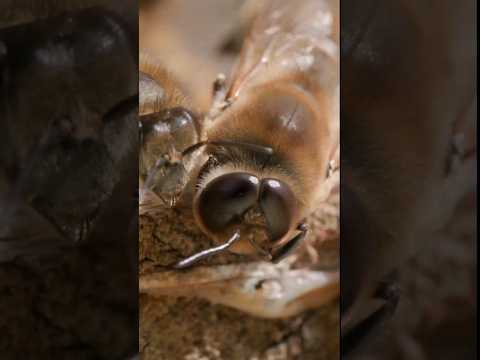
Some bees can sting you, but others just can’t. Whether a bee can sting depends mostly on its sex and species.
You might not expect it, but some bees don’t have stingers at all.
Female Bees And Stinging
Only female bees can sting. Their stinger is actually a modified egg-laying organ called an ovipositor.
Female bees use their stingers to protect the hive or themselves when they feel threatened. If a female honeybee or bumblebee stings you, it injects venom that can hurt.
Most female bees don’t want to sting unless you bother them or get too close to their nest. They’ll often buzz around or warn you before actually stinging.
Male Bees And Drones
Male bees, including drones, can’t sting. They simply don’t have the body part for it.
Their job in the hive is different—they focus on mating, not defending the colony. Drones just hang around the hive and won’t sting you, even if you get close.
Even though they can’t sting, male bees still play a big part in helping bee colonies survive.
Stingless Bees And The Meliponini Tribe
Some bees, like those in the Meliponini tribe, are totally stingless. These stingless honey bees use biting or strong smells to defend their nests.
Stingless bees live mostly in tropical places and are pretty different from the honeybees you’ll see in cooler climates. They still make honey, but they rely on biting, not stinging, to protect themselves.
If you run into a stingless bee, don’t worry—it can’t sting you. That makes them less risky to be around and easier for people to keep for honey.
Want to know more? Check out stingless bees and the Meliponini tribe.
Stinging Habits Of Different Bee Species

Bees use their stingers in different ways, depending on their species. Some have stingers that stick in your skin, while others can sting you again and again.
It helps to know these differences so you can stay safe and also appreciate what bees do for the environment.
Honey Bees And Their Barbed Stinger
Honey bees have a barbed stinger with tiny hooks that catch in your skin when they sting. After stinging, the stinger gets stuck and tears from the bee’s body.
The honey bee dies soon after. The barbs make the sting painful and tough to remove.
That stinger also injects venom, which is what causes the swelling or itching you feel. Queen honey bees have barbed stingers too.
Unlike workers, queens can sting several times without dying. But honestly, queens usually only sting other queens.
Bumblebees And Smooth Stingers
Bumblebees have smooth stingers. That means they can sting you more than once and survive.
Their stings are usually less aggressive since bumblebees tend to be pretty chill unless you mess with them. Because their stingers don’t get stuck, bumblebee stings might hurt a bit less than honey bee stings, but you can still get swelling.
Bumblebees mostly use their stings to defend their nests. If you see bumblebees on flowers, they’re just busy pollinating and probably won’t bother you unless you get too close.
Solitary Bees And Mason Bees
Solitary bees don’t live in colonies like honey bees or bumblebees. Each female just goes off and makes her own nest.
A lot of solitary bees, especially mason bees, have stingers. But honestly, they’re not aggressive at all.
Mason bees have smooth stingers. Most of them would rather just fly away than sting you—they’re not interested in defending territory.
Solitary bees do a fantastic job pollinating. Since they aren’t guarding a hive, you’re pretty unlikely to get stung. They’re honestly some of the best neighbors you could ask for in a garden.
| Bee Species | Stinger Type | Aggression Level | Stings Multiple Times? |
|---|---|---|---|
| Honey Bees | Barbed | Defensive, can be painful | No |
| Bumblebees | Smooth | Mildly aggressive if provoked | Yes |
| Solitary/Mason Bees | Smooth | Rarely aggressive | Yes |


