
Ever wonder why bees decide to sting you? Most of the time, it’s about defense. Bees sting to protect themselves or their hive, especially if they feel scared or threatened.
Knowing what makes a bee want to sting can help you dodge those painful moments.

Bees love bright colors and strong scents—think perfumes, sunscreens, or even that floral shirt you like. Sweet foods and fruity drinks? Those catch their attention too.
If you get what draws them in, you can relax outside a bit more without worrying as much about bee stings.
Key Factors That Attract a Bee to Sting You
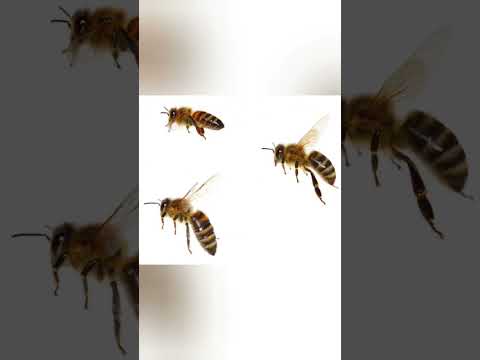
Bees usually sting when they feel threatened or when you do something that sets off their defense instincts. Certain smells, colors, and even your actions can make you stand out to them.
It’s helpful to know about these things so you can avoid getting stung.
Perceived Threats and Defensive Responses
If a bee senses danger near its hive, it acts fast to protect the colony. Honey bees use their barbed stingers to defend their nest, and that stinger sticks in your skin while releasing venom.
If you swat at a bee or make sudden movements, you look like a threat. Bumble bees and wasps have smooth stingers, so they can sting more than once if they decide you’re dangerous.
Try to avoid waving your arms or messing with flowers near a hive. That way, you’re less likely to get stung.
Alarm Pheromones and Group Defense
When a honey bee stings, it gives off an alarm pheromone that smells kind of musky or piney. This scent warns other bees nearby that there’s trouble.
That alarm smell can make other bees aggressive, and they might join in to sting you too. It’s wild how quickly things can escalate.
If you get stung, just move away from the area right away. That helps keep more bees from finding you.
Attraction to Scents, Colors, and Food
Bees go for certain smells and colors that remind them of flowers. If you wear strong perfume or fruity shampoo, you might as well be a walking flower to them.
Bright colors like yellow or blue catch their eye, and sweet foods or sugary drinks will lure them in since they’re always hunting for nectar.
If you stick with neutral clothing and skip the heavy scents, you’ll probably have fewer bees buzzing around you.
Accidental Encounters and Human Behavior
Sometimes you get stung just by getting too close to a bee’s nest or a bee gathering nectar. Bees don’t usually sting for no reason—if you stay calm and move slowly, they’ll often leave you alone.
Sudden moves or trying to smack a bee can make things worse. Bees really only sting to protect themselves or their home.
It helps to watch where you step and pay attention around flowers. That way, you can avoid accidental stings.
What Happens During and After a Bee Sting

When a bee stings, it uses a special tool to inject venom into your skin. Your body reacts in a few different ways, from mild swelling to, in rare cases, more serious allergic reactions.
How a Bee Sting Works
A honey bee stings by jabbing its barbed stinger into your skin—it’s like a tiny needle with hooks. The stinger gets stuck, and the bee releases venom through it.
Since the stinger stays behind, the bee can’t pull it out and dies soon after. The venom causes pain and swelling, so you should remove the stinger quickly to keep more venom from getting in.
Bee Venom and Human Reactions
Bee venom contains chemicals that set off your body’s immune system. Right after the sting, you’ll feel a sharp pain, then redness and swelling.
Most people just get mild symptoms that fade after a few hours. Depending on how sensitive you are, you might also get itching, warmth, or even a few small blisters.
Allergic Responses and Emergency Care
Some people experience a dangerous allergic reaction called anaphylaxis. It’s a medical emergency and needs immediate attention.
You might notice trouble breathing, swelling around the face or throat, a pounding heart, or sudden dizziness. Those signs can come on fast and feel overwhelming.
If you see these symptoms after a bee sting, grab an epinephrine auto-injector if you have one and use it right away. Then, call emergency services without delay.
Recognizing these signs and acting quickly could make all the difference.
For more about bee stings and their effects, see What Happens After A Bee Stings? | Buzzing Facts Explained.


