
Ever wondered if bumble bees sting more than honey bees? You’re definitely not alone there.
Knowing the difference between these two can help you stay calm and safe around them. Bumble bees can sting more than once because their stingers are smooth, so they don’t get stuck in your skin like honey bee stingers do.

When a honey bee stings you, the barbed stinger gets stuck in your skin. The bee dies after a single sting.
Bumble bees, though, pull their stinger out and can sting again if they feel threatened. But honestly, bumble bees usually keep to themselves and only sting if they really have to protect their nest or themselves.
Knowing how bumble bee stings compare to honey bee stings might help you react better if you ever run into one. If you’re curious about how bumble bees behave and how their stings differ, just keep reading.
Are Bumble Bees More Likely to Sting Than Honey Bees?

So, how often do bumble bees sting compared to honey bees? It’s a fair question.
Bumble bees and honey bees both defend themselves, but their stinging habits and behaviors aren’t exactly the same.
Frequency of Stinging
Bumble bees can sting more than once since their stingers are smooth and don’t get caught in your skin. If they feel threatened, they might sting again.
Honey bees have barbed stingers. When they sting, the stinger gets stuck and the bee dies soon after, so they only sting once.
Even though bumble bees have the ability to sting multiple times, they actually sting less often overall. They aren’t as quick to use their stinger as honey bees are.
So, if you’re near a bumble bee, chances are it won’t sting you unless you really bother it.
Aggressiveness and Defensive Behavior
Honey bees get more aggressive when defending their hive. If they sense a threat nearby, they’ll sting fast.
Worker honey bees give up their lives to protect the colony by stinging. It’s kind of intense.
Bumble bees act less aggressive. Usually, they’ll only sting if you provoke them or mess with their nest.
Most of the time, bumble bees just fly away instead of stinging. Since they don’t die after stinging, they don’t need to be so aggressive.
That makes them a bit calmer in most situations.
Which Gender of Bee Stings?
Only female bees sting—yep, that’s true for both bumble bees and honey bees. The males, called drones, don’t have stingers at all.
Worker bees, always female, handle the stinging to protect the colony. Female bumble bees defend their nests with stings when they need to.
Knowing this can help you figure out if the bee near you can actually sting.
Typical Sting Situations
Bumble bee stings usually happen if you get too close to their nest or accidentally grab or step on one. Most of the time, bumble bees avoid people and won’t sting unless they feel directly threatened.
Honey bees tend to sting more often since they live in bigger colonies and defend their hive more aggressively. You’ll get stung by a honey bee if you’re too close to a hive or disturb flowers while they’re collecting nectar.
If a bumble bee stings you, the pain usually isn’t as bad and fades faster compared to a honey bee sting. Of course, everyone reacts a bit differently, depending on allergies or how sensitive they are to the venom.
If you want more details about bumble bee stings and behaviors, check out this page on bumble bee sting facts and comparison.
Comparing Bumble Bee and Honey Bee Stings
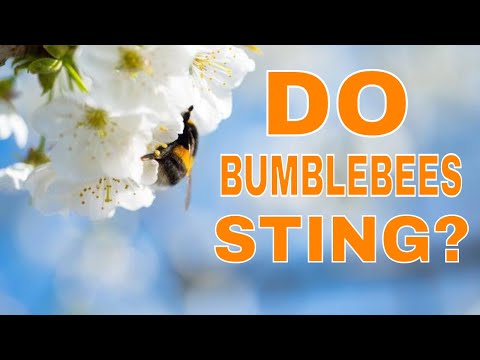
Getting stung by a bumble bee or a honey bee isn’t quite the same. Their stingers work differently, the pain is different, and your body might react in its own way.
Let’s break down what really happens.
Stinger Anatomy: Barbed vs. Smooth Stinger
Honey bees have a barbed stinger. Those barbs make the stinger stick in your skin when they sting.
The stinger gets stuck, so the honey bee can’t pull it out and usually dies after stinging once.
Bumble bees have a smooth stinger. They pull their stinger out easily and can sting more than once without hurting themselves.
The smooth stinger lets bumble bees defend their nest and survive after stinging.
If you know this, you’ll get why these two bees sting the way they do.
Multiple Stings vs. Single Sting
Honey bees only sting once because their barbed stinger stays in your skin. After stinging, the stinger and venom sac come off their body, and the bee dies.
That one sting still hurts and can cause swelling.
Bumble bees can sting multiple times since their stinger doesn’t get stuck. If they feel threatened, they might sting more than once.
Still, bumble bees are less aggressive and don’t sting as often as honey bees or wasps.
So, if you’re dealing with bumble bees, you might get stung more than once, but it’s not super common.
Pain Level and Venom
Bumble bee stings usually hurt less than honey bee stings. Bumble bees inject less venom when they sting.
The venom from bumble bees causes irritation, but it’s generally milder.
Honey bee venom has more histamine, which brings that sharp pain, redness, and swelling. Most people say a honey bee sting feels worse.
Pain levels really depend on the person and where the sting happens, though. Isn’t it weird how everyone’s body reacts a little differently?
Allergic Reactions
Both bumble bee stings and honey bee stings can trigger allergic reactions if you’re sensitive. You might notice redness, swelling, or itching right where the sting happened.
Sometimes, people get hit with anaphylaxis, which is a really serious allergic reaction. You’ll need immediate medical help if that happens—it doesn’t matter which kind of bee stung you.
If you already know you’re allergic to bee venom, carrying an epinephrine injector is a must. Try not to bother bees, honestly. How you react really depends on your own immune system, not the type of bee.


