
So, you got stung by a bee and that pesky stinger’s still in your skin? It keeps pumping venom the whole time it’s stuck there. Basically, the longer it hangs around, the more pain, swelling, and irritation you’ll get. You could also wind up with an infection—or even trigger a bigger allergic reaction.

If you don’t get the stinger out quickly, things just get worse. Symptoms drag on, and honestly, nobody wants that extra discomfort. Getting the stinger out fast really helps stop the spread of venom and limits the pain.
Knowing what happens when a stinger stays in can help you react better next time. Curious about the risks or what you should actually do? Let’s dig into why getting that stinger out matters.
What Happens When a Bee Stinger Is Not Removed

Leave a bee stinger in your skin, and it just keeps working against you. The stinger keeps injecting venom, making pain and swelling worse. You’re also at risk for infection or a strong allergic reaction, depending on how your body handles it.
Ongoing Release of Bee Venom
Bees leave a barbed stinger behind when they sting. That stinger keeps pumping venom until you take it out. The longer it stays, the more venom you get.
Venom ramps up pain, swelling, and redness. If you don’t remove the stinger quickly, those symptoms can get a lot worse and hang around longer. It’s best to get it out ASAP to keep things from escalating.
Symptoms and Reactions to Bee Stings
Bee stings hit everyone a little differently. Most people feel some itching, swelling, and a burning pain where they got stung. If the stinger stays in, these symptoms can ramp up.
You might see more swelling, worse pain, or a bigger red patch. Sometimes, you could even feel dizzy, get a headache, or feel nauseous as venom spreads. The longer the stinger’s in there, the harder it is to manage these issues.
Risks of Infection with an Embedded Stinger
Leaving the stinger in raises your risk of infection. The area can get irritated and bacteria can sneak in.
Watch for redness, pus, warmth, or swelling that just won’t go away. If you skip cleaning the area or don’t remove the stinger, infection’s more likely. Keep an eye on it, and if things get worse, don’t hesitate to see a doctor.
Unremoved Stinger in Allergic Individuals
If you’re allergic to bee stings, a stuck stinger is even more dangerous. Venom keeps flowing, and you could set off a serious reaction called anaphylaxis.
Signs include trouble breathing, swelling in your face or throat, a racing heart, dizziness, or even passing out. This is life-threatening and needs immediate help. Get the stinger out fast to lower the risk of things getting out of hand.
Essential Steps to Take and Home Remedies
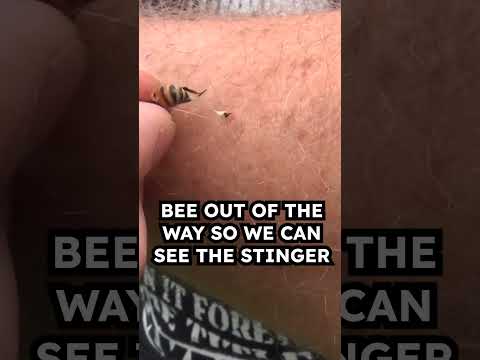
If a bee stings you, act quickly. You’ll want to stop the pain and keep more venom from spreading. Remove the stinger the right way, watch for serious symptoms, and try some simple home remedies to feel better.
How to Remove a Bee Stinger
Spot a stinger? Take it out as soon as you can. The stinger keeps releasing venom, so every second counts. Use something flat, like a credit card or your fingernail, and gently scrape it out.
Don’t grab it with tweezers or pinch it—doing that can squeeze more venom in. Slide or flick the stinger sideways instead of yanking it straight out. Once it’s out, wash the spot with soap and water to cut down on infection risk.
When to Seek Medical Attention
If you notice more than mild pain or swelling, pay attention to signs of a bad reaction. Trouble breathing, swelling in your face or throat, dizziness, or a quick heartbeat are all red flags.
If you know you’re allergic to bee or wasp stings, use your EpiPen right away and get emergency help. See a doctor if the sting area turns red, gets warm, or looks infected.
For smaller reactions, just keep an eye on things for a few hours since allergies can sometimes show up later.
Home Remedies and Relief Methods
When that pain and swelling kicks in, you might want to reach for a home remedy first. Grab some baking soda, mix it with just enough water, and slap that paste right onto the sting.
A bit of calamine lotion or hydrocortisone cream can calm the itching and bring the swelling down. You could also toss a cold compress or even a bag of frozen peas on the spot to numb things up a bit.
Try not to scratch, tempting as it is—that just makes things worse and could lead to an infection. If you’re out of creams, honey actually works pretty well; it’s soothing and, honestly, a bit underrated.
Got stung by a wasp instead? You’ll want to do the same things, since wasp venom messes with your skin in almost exactly the same way.


