
You can keep deer away by making sudden, loud, or odd noises that hint at danger. Try short, unpredictable sounds like predator calls, air horns, or propane exploders—these really startle deer and help teach them to avoid your yard.
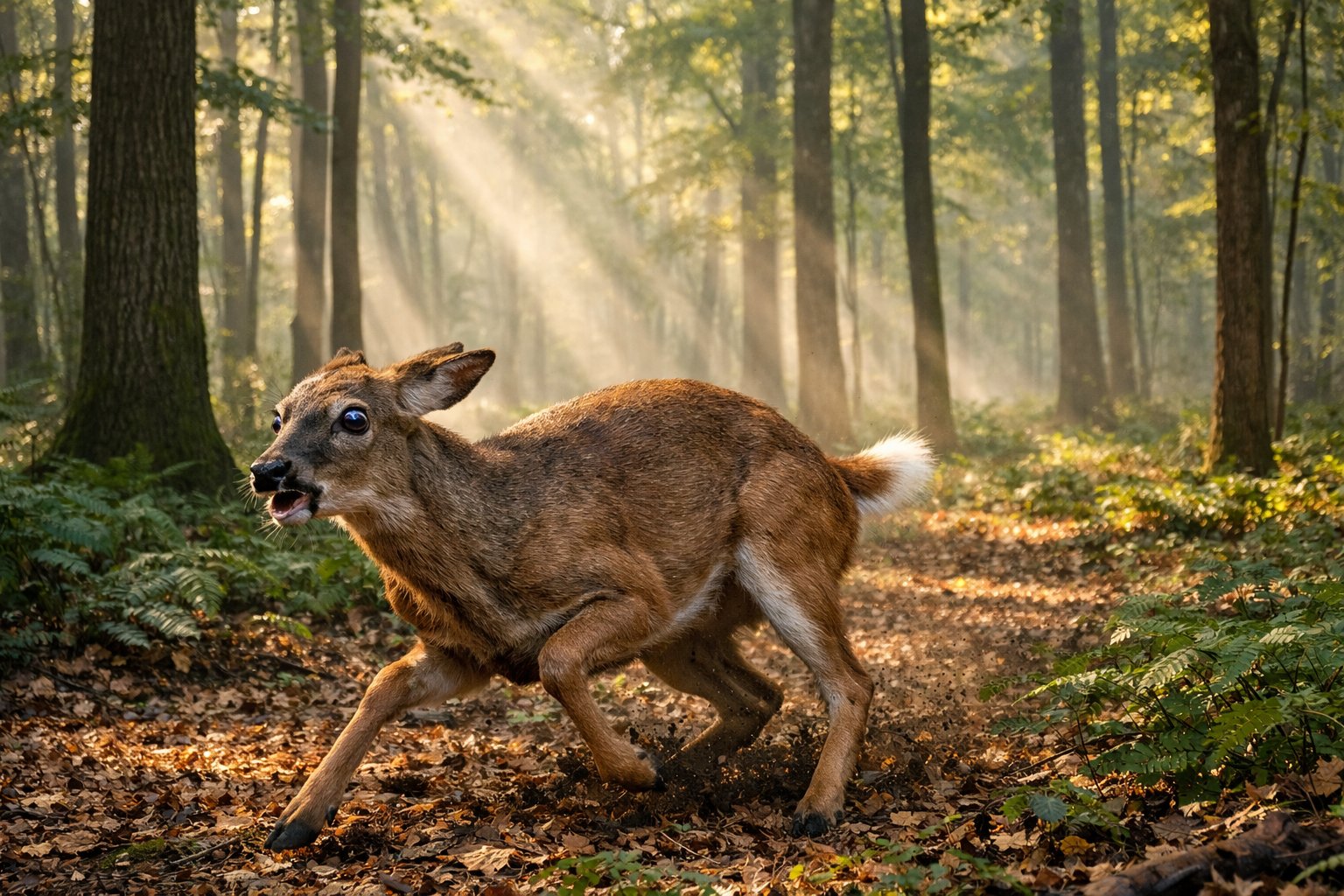
Let’s get into which noises actually work, why deer react so strongly, and how you can pair sound with things like fencing or sprinklers for better results.
You don’t need to make a ton of noise all the time—just follow a few practical steps so your garden stays safe and you don’t waste effort.
Types of Noise Deer Hate

Deer react most when they hear sounds that mean danger, surprise, or just something weird in their space.
Use sharp, sudden noises, predator calls, human activity, or just strange, unpredictable sounds to break their comfort zone and push them out of your yard.
Loud and Sudden Noises
Sudden loud bangs make deer jump and run. Air horns, propane exploders, or even banging pots together can really startle them and send them scrambling.
Try these at dawn or dusk since that’s when deer usually feed.
Put noise-makers near garden edges or deer trails for the best shot at scaring them off.
Keep the volume high enough to cover 50–100 feet, but don’t forget about your neighbors or local noise rules.
Switch up the times and devices you use so deer don’t catch on to a pattern.
Predator Sounds and Calls
Deer get spooked if they hear predator voices like coyotes or wolves.
Play recorded coyote howls or dog barks—these sound real enough to deer that they usually won’t stick around.
Use speakers that play a mix of clips so it doesn’t sound fake or repetitive.
Turn up the predator sounds during rutting season when bucks get distracted.
Pair calls with motion sensors so the noise only plays when a deer is actually there.
That makes it feel more real and keeps deer on edge.
Human Voices and Activity
If you shout, clap, or play recorded human voices, deer usually get the message and move away.
Sudden, active human noise works best.
Mix up recordings with real-life activity—walk through your yard, toss a few small rocks, or just make some noise.
Unpredictable human sounds teach deer to think twice about coming back.
Put speakers near your most vulnerable plants and use motion triggers so the noise only goes off when deer are close.
Unfamiliar and Irregular Sounds
Deer get nervous when they hear sounds they don’t recognize.
Things like wind chimes, metallic streamers, ultrasonic gadgets, or random beeps all fit here.
The trick is to keep the sounds irregular—steady noise just fades into the background, but random stuff keeps deer uneasy.
Swap out devices and sounds every few days.
Maybe a wind chime one day, a motion-activated beeper the next, then a predator call.
Mixing things up stops deer from getting used to your tricks.
Popular Devices and Methods to Repel Deer with Sound

You’ve got options—simple DIY gadgets or fancy powered devices can both convince deer to leave.
Pick what works for your space, budget, and whatever noise rules your area has.
Wind Chimes and Noisemakers
Wind chimes, pie pans, and metal cans all make random, sharp noises that startle deer.
Hang them at different heights around your garden edges so the sound moves with the wind or when deer brush by.
Lightweight metal works best for loud, clear sounds.
Paint or tape sharp edges so nothing gets tangled.
Set these up near the plants you want to protect and along the spots where deer slip in.
Move them around every couple of weeks so deer don’t get wise.
Most days, these noisemakers stay quiet, but when the wind picks up or a deer walks by, they make enough racket to help.
Wind-based devices don’t do much on calm days, so you’ll want to use them with other deterrents.
Ultrasonic Devices and Technologies
Ultrasonic repellents send out high-frequency noise that’s supposed to bother deer but not humans.
Choose models made for deer, with adjustable frequency and range.
Look for ones that use random pulses so the pattern isn’t obvious.
How well these work really depends on the product and your yard.
Mount speakers about 6–10 feet up and aim them at the spots you want to protect.
Keep an eye on batteries or power cords, and play with the settings to see what works.
Don’t count on ultrasonics alone—they can help, but they’re better when you combine them with other tricks.
Motion-Activated Sprinklers with Sound
Motion-activated sprinklers spray water and make a click or yelp when something sets them off.
That combo—a sudden spray and noise—usually convinces deer to steer clear.
Mount these to cover your garden beds or the paths deer use most.
Set the sensitivity so it won’t go off for every squirrel or small pet.
You’ll need a water source, and these can freeze up in winter.
They work best at dawn and dusk when deer move around.
Pair them with a simple fence or some noisemakers to make your yard even less appealing.
Motion-activated sprinklers give an instant reaction and help deer learn to avoid your favorite plants.
Homemade Barriers and Mechanical Deterrents
Mechanical deterrents mix loud noise with a physical barrier. Propane exploders, gas cannons, and clanking metal barriers blast out sudden sounds that help protect orchards and bigger yards.
If you’re thinking about propane exploders, you’ll need to set them up safely. Honestly, check your local noise rules first—sometimes they’re stricter than you’d expect.
You can also put together simple noise-makers yourself. Try hanging rotating tin panels or using pulley-driven clappers. Even a few motion-triggered metal cans can do the trick.
Mount these devices on sturdy posts or fences so nothing knocks them over. Keeping them out of reach makes them last longer.
These setups bring both sound and a visible obstacle into play. If you combine them with repellents or plants deer dislike, you’ll make your deterrent plan a lot tougher for deer to ignore.


