
You can usually live alongside deer without much trouble. Most of the time, they’ll spot you and dash off in the other direction.
Deer don’t usually bother people unless they feel cornered, want to protect a fawn, or a buck’s caught up in rutting season. It helps to know when deer might act out of character, so you can avoid problems and keep your yard safe.
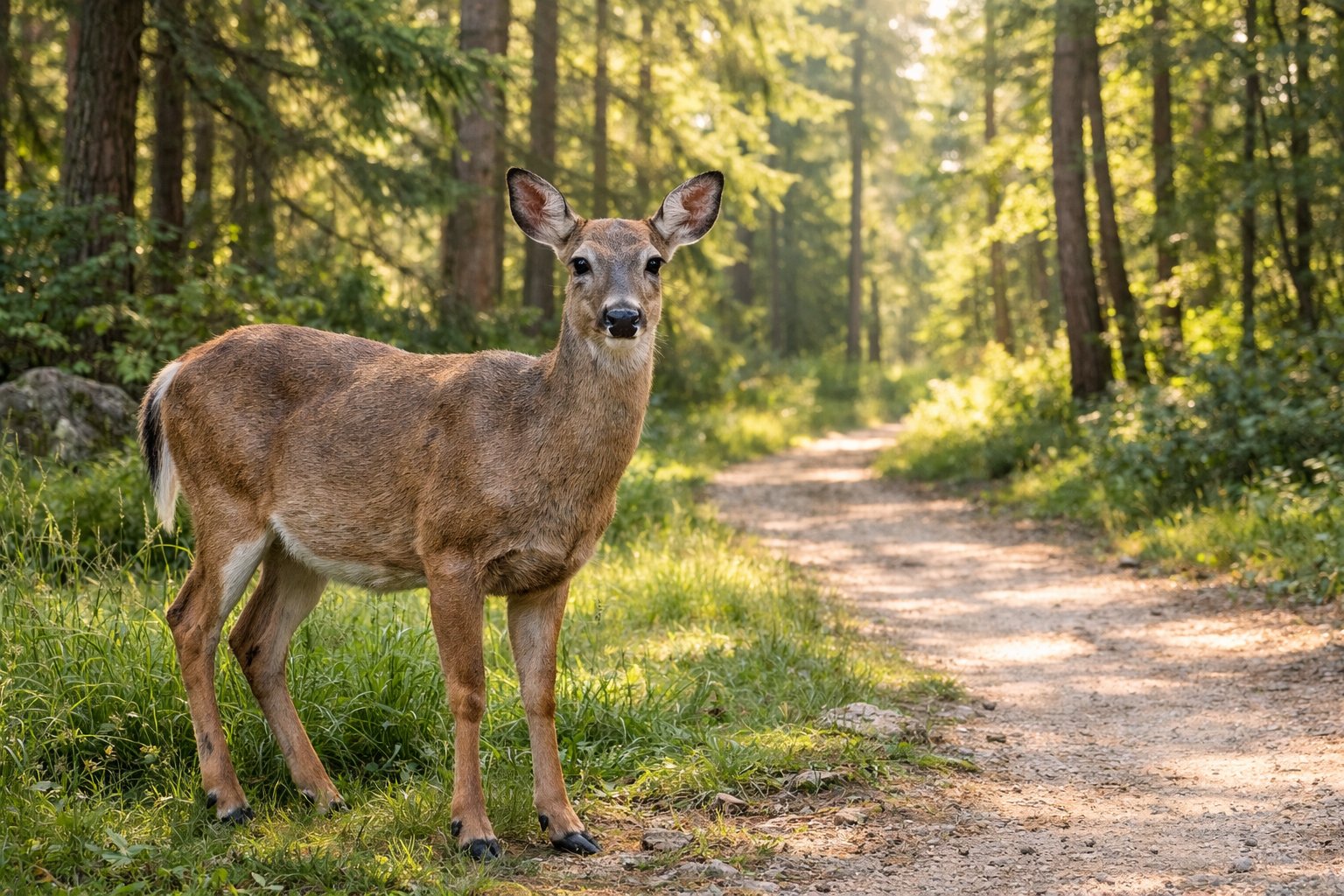
You’ll get the hang of what draws deer closer, when they might get dangerous, and a few simple ways to avoid headaches like property damage, ticks, or surprise run-ins. That way, you can still enjoy seeing wildlife without inviting chaos.
Will Deer Bother Humans? Core Behaviors and Risks

Deer usually keep their distance from people. Still, some situations make close encounters or even danger a bit more likely.
Watch for things like available food, time of year, and whether local deer have gotten used to humans.
Typical Deer Behavior Around People
White-tailed and mule deer act pretty shy and will bolt if you approach. They slip quietly along the edges of woods and fields, and you’ll mostly spot them at dawn or dusk since they’re crepuscular.
You’ll probably see them munching on grass, shrubs, or maybe your garden, but they don’t come looking for people.
If you leave out food or let fruit drop, deer will start showing up more often. In suburbs, less hunting and more people around can make deer less skittish.
That means you might see them up close, but it’s not usually risky.
When Deer Show Aggression Towards Humans
Deer almost never go after people, but it does happen. Bucks get the most aggressive during rutting season, using their antlers to fight and sometimes charging at anything in their way.
A buck might jab or even knock someone down.
Does can act tough when they’re guarding fawns in spring and early summer. They’ll stomp, snort, or even rush you if you wander too close to a hidden baby.
If a deer feels trapped or gets too used to being fed, it might also act out.
Seasonal Deer Behavior Changes
Deer change up their behavior with the seasons. In spring and early summer, does get extra protective during fawning season.
If you see a lone fawn, give it space—moms leave them hidden and come back later.
In fall, rutting season means bucks start chasing does and fighting each other. You’ll see more deer moving around, and they cross roads more.
Winter gets tough for deer, so they’ll come into yards and gardens looking for food.
Deer Habituation and Human Influence
Deer start ignoring people if they hang around humans without anything bad happening. If you or your neighbors feed them or have easy-access gardens, deer figure out it’s safe and stick around.
That can mean more ticks, car accidents, and close calls.
When people build homes, remove predators, and plant tasty lawns, deer adapt and use neighborhoods for food and shelter.
You can help by not feeding deer, fencing off plants, and keeping your distance. That way, deer stay wild and wary.
Deer-Related Dangers and How to Minimize Conflict

Deer can hurt people directly, but more often the trouble comes from car crashes or disease. You can lower your risk by spotting warning signs, driving carefully at dawn and dusk, and using deterrents if you need them.
Direct Deer Attacks: Causes and Warning Signs
Deer usually bolt if they see you, but sometimes they attack if they feel threatened. Bucks in the rutting season (fall) might charge or stomp when they’re showing off.
Does will protect their fawns in late spring and summer, and they won’t hesitate to act aggressive if you get too close.
Look out for warning signs: raised hair, lowered head, stomping, ears pinned back, or a short charge. An injured or sick deer might act strange and come near people.
If a deer stares you down or freezes, back away slowly—don’t turn and run.
Keep pets leashed and don’t get between a doe and her fawn. If a deer charges, put a tree or car between you and the animal.
If you get hurt, see a doctor for wounds and check for ticks.
Deer-Related Vehicle Collisions
Car crashes with deer spike at dawn, dusk, and especially during fall rut. You’re more likely to hit deer on rural roads, near woods, or where those yellow deer signs pop up.
If you see one deer, more are probably nearby.
To avoid collisions, slow down in risky spots, use your high beams when you can, and stay alert at night. If a deer jumps out, hit the brakes and stay in your lane.
Swerving can make things worse. If you can’t avoid a crash, it’s safer to slow down than to swerve into traffic or a ditch.
If you see a big deer on the road, report it to local authorities when it’s safe. After a crash, check for injuries and document the damage for insurance.
Effective Deer Deterrents and Repellents
Deer don’t like new smells, barriers, or things that startle them. You’ll get the best results by mixing up your methods.
Put up fences at least 8 feet high to keep most deer out. Electric fences with staggered wires work for tricky spots and small yards.
Pick plants deer don’t love, like boxwood or lavender. No plant is 100% deer-proof, but some are less tempting.
Try scent sprays—predator urine or commercial repellents can protect young plants if you use them right and switch them up.
Motion-activated lights, sprinklers, and ultrasonic gadgets can help too.
Clean up food sources: secure compost, cover birdseed, and pick up fallen fruit quickly.
Rotate your tactics through the year—deer get wise to one trick if you use it too long.
Tips for Safer Wildlife Interactions
Keep your distance and move calmly if you spot deer nearby. Grab some binoculars or just use your camera’s zoom—there’s no need to get closer.
Show kids how to stay still and quiet around deer. Don’t let them run toward the animals; it just never ends well.
If a deer seems nervous or even a bit aggressive, you should slowly back away. Try to put something—maybe a tree or even your backpack—between you and the deer.
Never feed deer. Feeding them makes them less afraid of people, which can lead to trouble.
Wear long sleeves and pants when you’re in deer territory. After you come back inside, check for ticks to help prevent Lyme disease.
Notice a deer that looks sick or just odd—maybe thin or acting confused? Let your local wildlife authorities know. It might be a sign of chronic wasting disease or something else going on.


