
You might assume deer have one favorite snack, but honestly, they just eat what’s around and what’s in season. If you want it straight: acorns are a top pick in the fall because they’re packed with fat and energy—perfect for getting through winter. That’s true whether you’re a backyard observer or you’re managing land for wildlife.
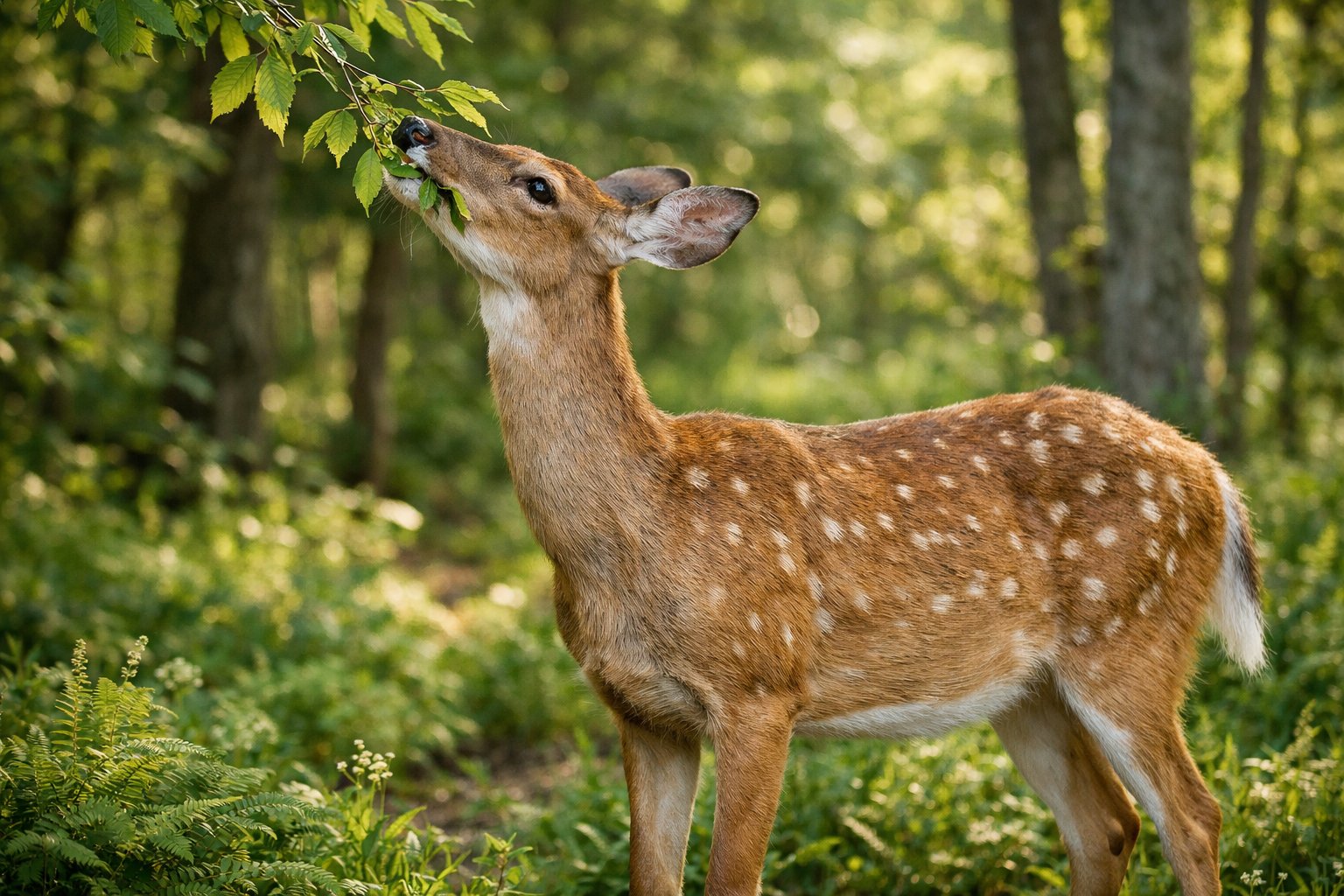
Deer, being ruminant herbivores, shift from munching spring greens to fruits, nuts, and crops later in the year. That explains why a whitetail might leave your garden alone in April, then show up in August for a snack.
Stick around and you’ll see how deer pick their food through the year, how local plants shape what’s on their plate, and a few easy ways to spot or attract them safely.
Deer’s All-Time Favorite Foods

These foods give deer lots of calories and are easy for them to find. Their choices actually shape where they wander each season.
Acorns: The Ultimate Snack
Deer go nuts for acorns in the fall. They’re high in fat and carbs, so deer search hard for them when the days get shorter.
White oak acorns ripen earlier and taste sweeter, so deer usually prefer them over red oak acorns. When oaks drop a heavy crop, you’ll catch deer hanging out under the trees, gobbling up acorns until they’re gone.
Look for oak stands or even just a big old oak—one tree can feed a bunch of deer for days. Hunters and landowners pay close attention to acorn crops because a big mast year totally changes deer patterns.
Why Clover and Alfalfa Are Irresistible
Clover and alfalfa are like a salad bar for deer—loaded with protein and available almost all season. You’ll spot deer in fresh clover fields in spring, and they keep coming back to alfalfa through summer and into fall.
Deer love new growth because it’s tender and easy to digest. These crops even give deer a comfy spot to bed down after eating.
If you plant or find these fields, you’ll notice deer show up pretty reliably. Farmers with alfalfa see the same deer year after year.
The Sweet Tooth for Apples and Fruits
When apples, pears, or persimmons hit the ground, deer rush in for the sugar rush. Fallen fruit gives them fast energy and pulls deer into orchards or backyard fruit patches.
Just one loaded apple tree can draw in deer from all over once the fruit starts dropping. Deer will switch from eating greens or grains to fruit as soon as it’s available.
Keep an eye on fruiting times and check under trees for fallen fruit—those spots turn into deer magnets for a few weeks. Want more details on deer favorites? Field & Stream has a solid rundown on top deer foods and mast cycles.
Seasonal and Regional Tastes of Deer
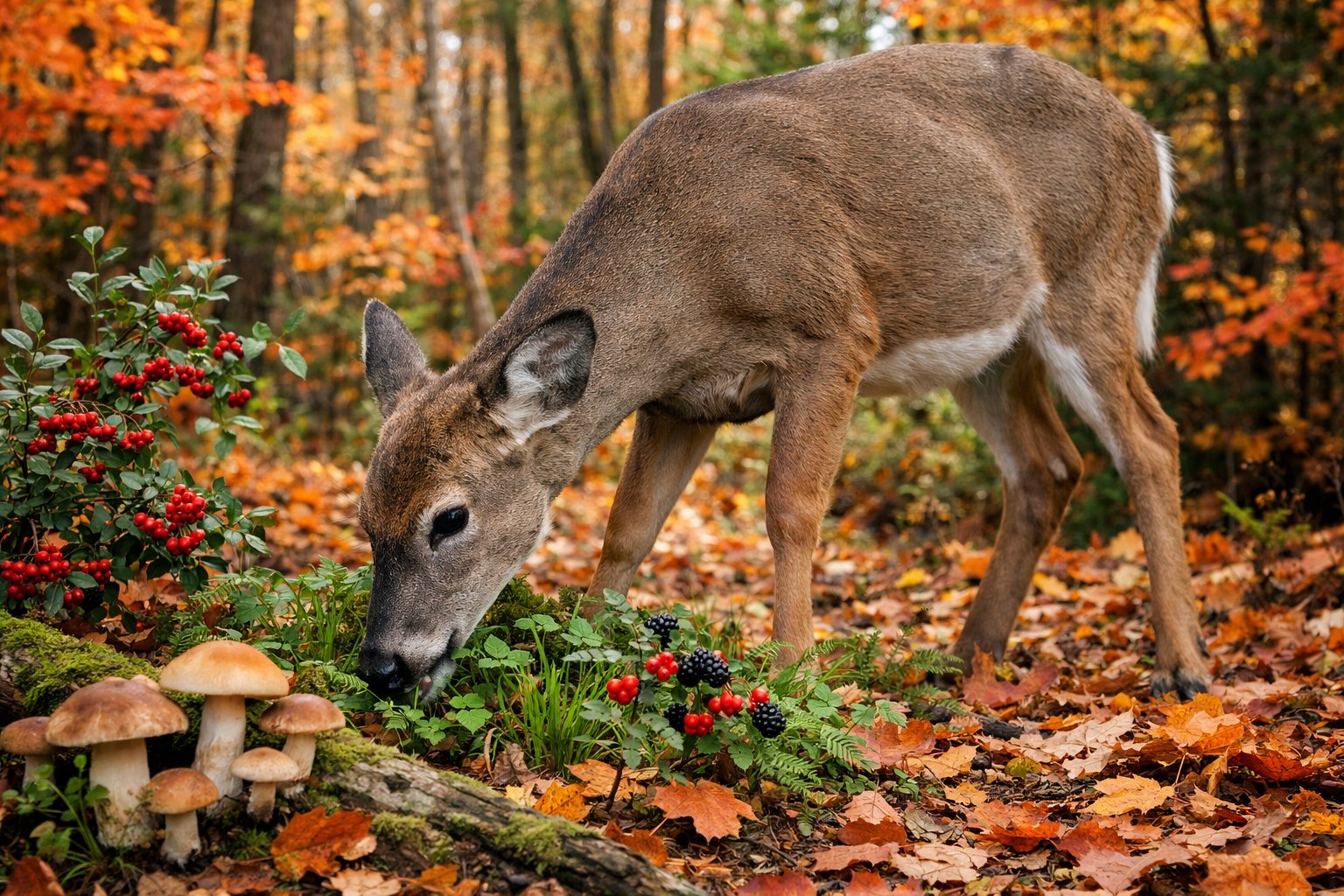
Deer change up their menu depending on the season and where they live. In spring, they chase soft, high-protein greens. Summer brings fruits and crops. Fall means nuts and grains, and winter pushes them to browse twigs and buds.
Spring Delights: Fresh Leaves, Buds, and Forbs
In spring, deer crave young green growth for protein and nutrients. You’ll often spot them nibbling on maple leaves, dogwood saplings, and those first oak leaves.
Forbs and wildflowers—clovers, violets, and spring ephemerals—give deer soft, easy-to-digest bites that help does nurse fawns and bucks start growing antlers again.
Buds and shoot tips matter too. Shrubs and saplings with reachable buds, plus things like hostas as they poke up, draw deer early on.
If you’re near farm fields, young cereal grains, peas, and early brassicas can also lure deer when they’re still tender.
Summer Favorites: Grasses, Berries, and Crops
Summer opens up the menu. Deer munch on lush grass and clover in fields and along woods edges.
Berries—like raspberries and blackberries—become important energy sources where they grow wild.
They also hit up crops: young corn, soybeans, beans, and sunflowers get eaten, especially when they’re just starting out. Mushrooms in damp woods add some variety.
Sunflower fields and wildflower patches give deer both food and a good hiding spot.
Fall Feasts: Nuts, Grains, and Soft Mast
Fall is all about packing on calories. Deer zero in on acorns and chestnuts where oaks and chestnut trees grow.
Beechnuts and persimmons are also big, if you have those trees around.
You’ll see deer feeding in fields of wheat, oats, and leftover corn after harvest. Late fruits and berries still matter too.
Sumac and fruiting shrubs give an extra sugar hit, and food plots with clover or brassicas keep deer coming through the season.
Winter Browsing: Twigs, Buds, and Woody Plants
When winter hits, local deer go for browse—twigs, buds, and woody leaves that stick around beneath the snow.
They munch on the tips of shrubs and small trees, sometimes stripping bark or nibbling buds off maples, dogwood, and young saplings.
Where there’s not much evergreen cover, oak leaves and woody bits from shrubs become their go-to food.
In tougher spots, deer dig through the snow just to reach low woody stems or whatever herbaceous leftovers they can find.
You’ll probably spot damage on young trees and saplings. If you want those to survive, you might need to put up fences or use tree guards to keep winter browsing in check.


