
Ever have a deer just stand there and look at you, not a hint of fear? It’s a weird feeling, honestly. Usually, that calm means the deer has gotten used to people—or it expects food from humans. If a deer doesn’t seem scared of you, chances are it’s either used to people or hoping for a snack, so it’s best to keep your distance and definitely don’t feed it.
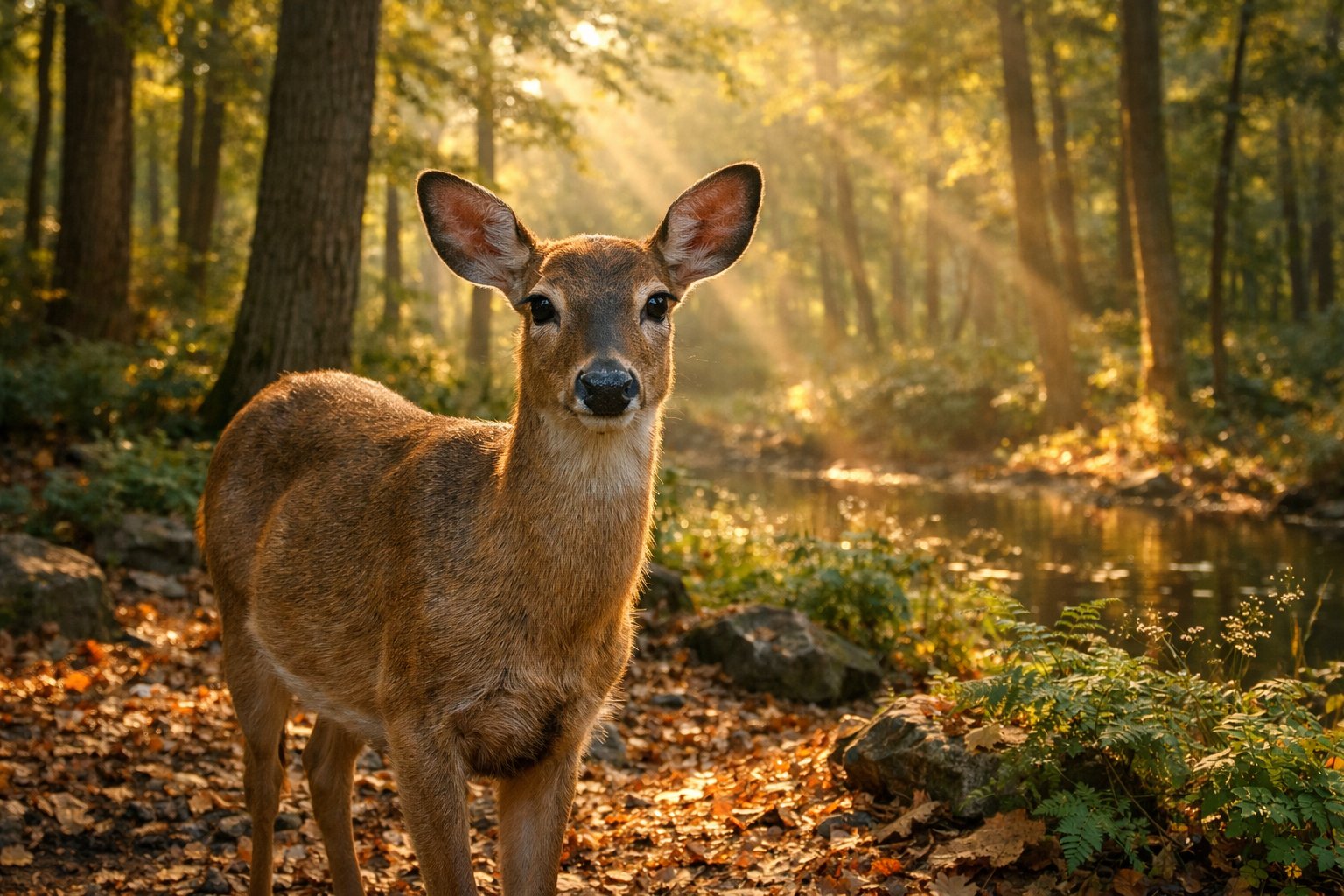
Let’s get into why deer sometimes lose their fear, what that means for you and the animal, and what you can do to keep everyone safe. There are some signs you can watch for, and a few ways to handle things without making the situation worse.
Why a Deer Might Not Be Afraid of You

Sometimes you’ll spot a deer that just hangs around, maybe even walks toward you, or doesn’t react to noise at all. Why? There are a few reasons, mostly tied to how deer live, how people behave, and sometimes the deer’s health.
Natural Deer Behavior and Flight Response
Deer depend on sharp hearing, a great sense of smell, and those wide eyes to notice danger. Usually, they freeze up and then bolt if anything seems off.
You might see a deer stomp its front foot or flick its tail—classic signs it’s on alert. Young fawns act differently. Their flight instincts aren’t strong yet, so if you find a fawn alone, it might just stay put because its mom hid it nearby.
During the rut, bucks get distracted by the chase for mates or fights with other bucks. They can seem bold, or just oblivious to people, and sometimes even act aggressive.
Habituation and Human Interaction
Deer living near neighborhoods or parks see people, dogs, and cars all the time. Over time, they realize these things usually don’t hurt them, so they stop reacting.
If you move slowly or just stand there, a habituated deer might even come closer to check you out. That’s risky for both you and the deer. It ups the odds of car accidents or run-ins with people. It’s smarter to stay back and not encourage them with treats or slow approaches.
Food Conditioning and Artificial Feeding
When deer find food near houses or at feeders, they start connecting people with easy meals. If you or your neighbors feed them, deer quickly catch on and come looking for more.
This food conditioning changes how they weigh risks and where they look for food. Feeding deer isn’t good for them. Diets heavy in corn or bread mess with their digestion. Plus, feeding makes deer gather in tight groups, which spreads disease like chronic wasting disease.
It’s better not to feed deer at all. Instead, protect your garden and use plants they don’t like.
Health Issues: Sick or Injured Deer
Sometimes a deer seems tame because it’s sick or hurt and just can’t run. Illness or injury drains their energy. You might see a deer standing around, acting confused, or even coming closer because it doesn’t know what else to do.
Look for odd signs—drooling, stumbling, visible wounds, or a patchy coat. If you think a deer is sick or badly hurt, keep kids and pets away and call your local wildlife folks. Don’t try to help the deer yourself. Wildlife authorities know how to handle disease risks and can figure out what to do.
Dangers and How to Respond to Fearless Deer

A deer with no fear can bring all kinds of problems—health risks, car accidents, even property damage. You can lower those risks by changing how you store food, what you plant, and knowing when to call in the pros.
Risks for Deer and Humans
Fearless deer lose their caution and wander near roads, which leads to more car crashes. These accidents hurt people and usually injure or kill the deer.
Deer used to people also gather at feeders or in yards more often. That crowding spreads diseases like Chronic Wasting Disease. A deer expecting food might get bold or even aggressive if you don’t feed it. Bucks in rut are especially risky—they might lower their heads, stomp, or even charge, which can hurt someone or a pet.
Kids and pets face more danger since they don’t always know when to back off. Deer carry ticks and parasites, and getting too close can mean bites or scratches if the deer freaks out.
If you see a deer acting weird—walking in circles, drooling, or stumbling—it might be sick and more dangerous.
Preventing Problems: Responsible Actions
Don’t feed deer. Take down bird feeders, secure pet food, and use closed bins for garbage so deer don’t get used to finding snacks.
Switch out easy-to-eat plants for deer-resistant ones and put up short fencing or use repellent sprays around your garden beds. Try repellents with different smells or tastes and swap them out sometimes so deer don’t get used to them.
Plant strong-smelling shrubs and avoid putting tender greens along the edge of your yard. If you spot deer tracks or see posts getting rubbed over and over, that means deer visit a lot—move anything that attracts them.
If you run into a bold deer, back away slowly while facing it. Make yourself look bigger by raising your arms and talk in a firm voice. Always keep dogs on a leash. A loose dog chasing a deer can end badly for both.
When to Contact Wildlife Agencies
If you spot a deer that looks sick, hurt, or just not right, call your state wildlife agency or local animal control. Maybe it’s stumbling around, drooling, or acting way too comfortable near people.
These behaviors usually mean the animal needs help from professionals. Don’t try to handle it yourself.
Notice a deer that keeps coming back to your yard for food, day after day? Wildlife staff can help you figure out what to do about that, and they’ll know the rules about feeding or removing these animals.
If a deer has gone after people or pets, reach out to animal control right away. They need to know about these incidents so they can take steps to keep everyone safe.


