
You might mean well when you leave out snacks or corn, but some foods do real harm to deer. Don’t feed deer high-carb stuff like big piles of corn, moldy leftovers, processed people food, or plants that are toxic to them—these can seriously mess up their digestion or even kill them.
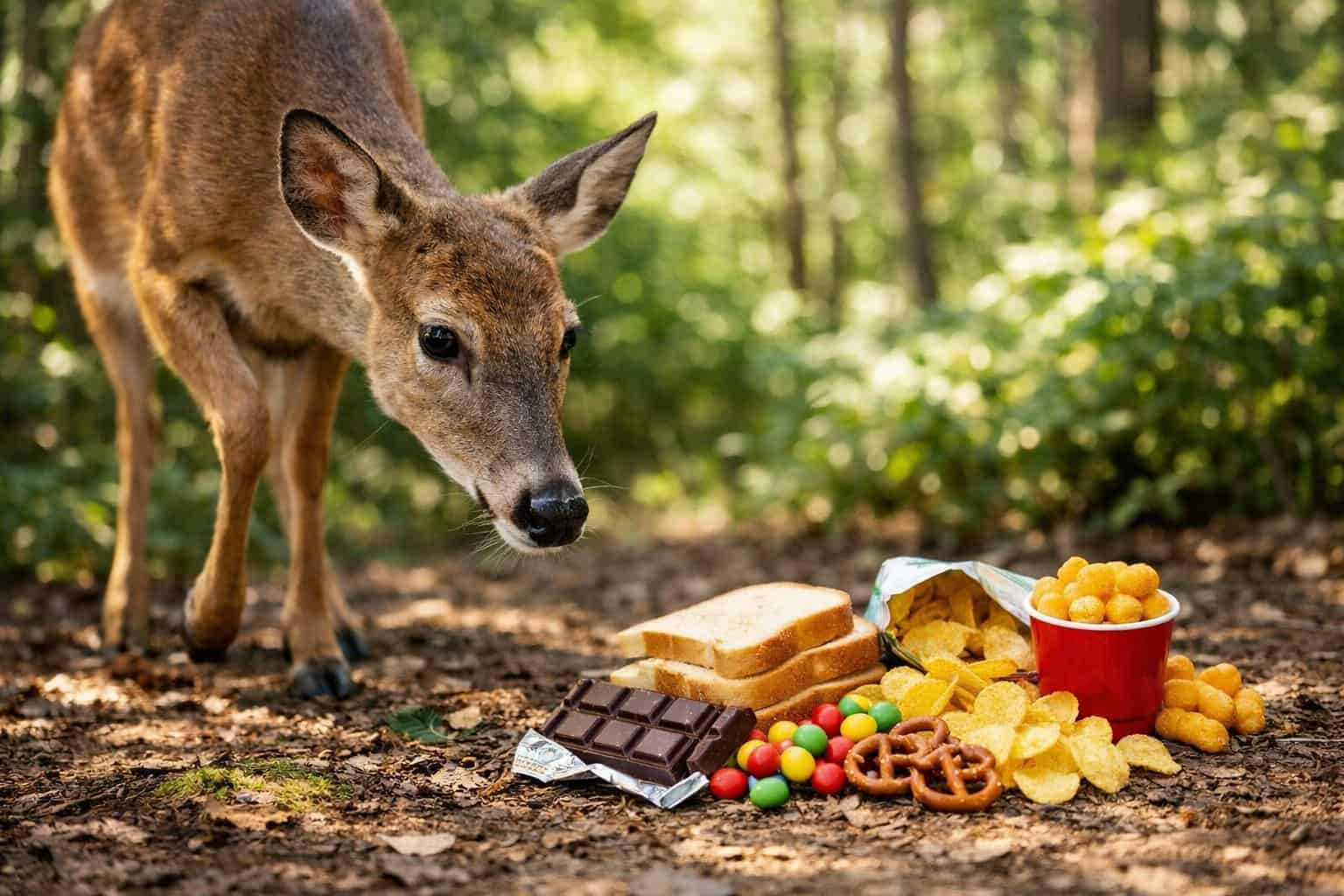
Deer have a digestive system that’s built for woody browse, forbs, and nuts. If you toss out bread, pet food, or random garden treats, you throw off their gut balance and risk bloat, acidosis, or worse.
Let’s look at which foods to avoid, why they’re risky for deer, and better ways to help these animals if you really want to feed them.
Toxic and Unhealthy Foods for Deer
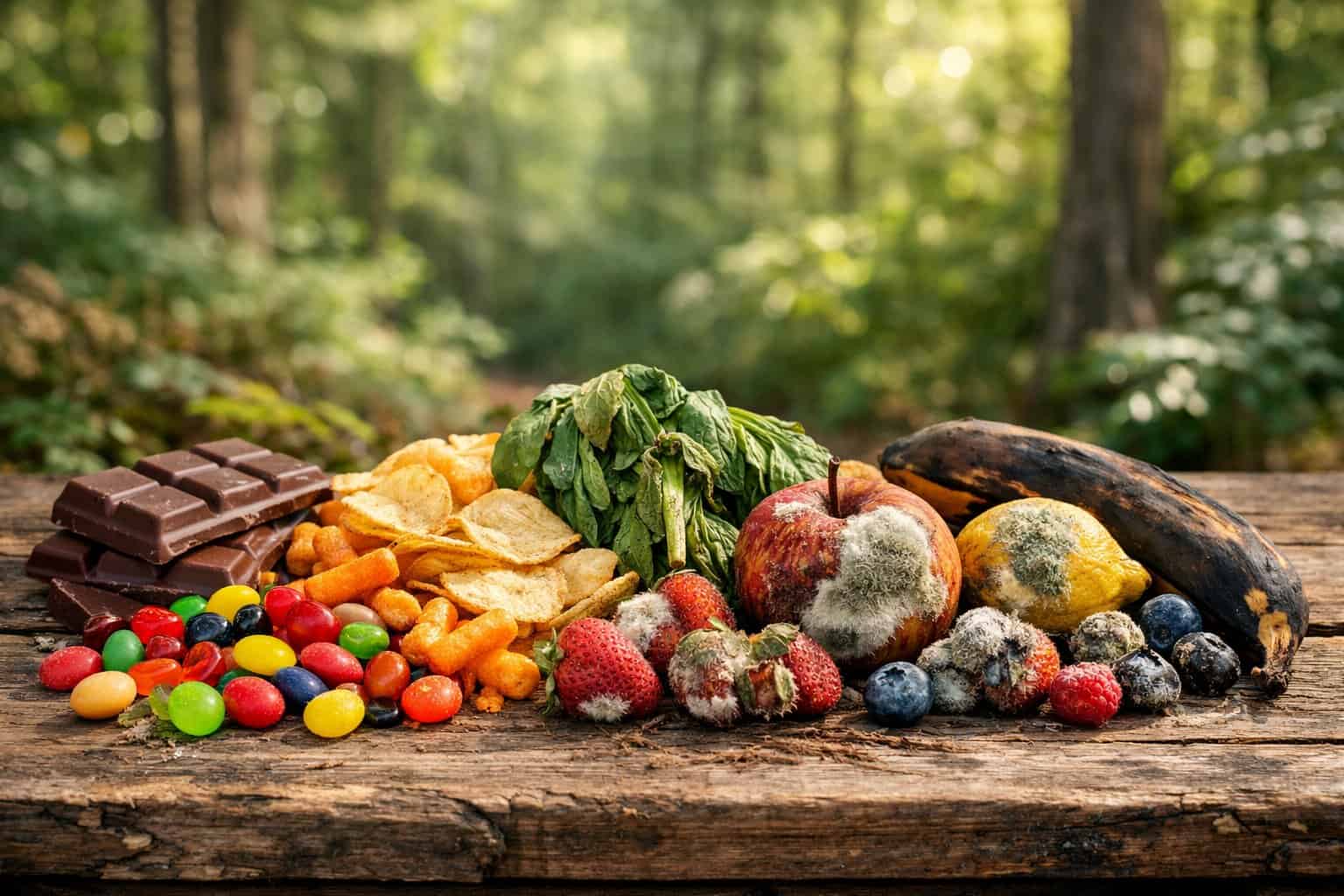
Deer can eat a lot of plants, but some foods mess with their digestion or are flat-out poisonous. Watch out for high-starch stuff, garden crops that upset their stomachs, processed or moldy food, and ornamental plants that can be toxic.
High-Starch Foods That Harm Deer
High-starch foods like corn and big amounts of soybeans throw a deer’s rumen microbes out of whack. When deer go from eating browse to chowing down on grain, they can get acidosis, bloat, and sometimes die suddenly.
Giving a small handful of corn once might not kill a deer, but regular or heavy feeding brings disease and malnutrition risks.
Skip using corn as your go-to feed or bait. If you have to supplement, use deer pellets with the right fiber and minerals.
Spread food out so deer don’t crowd together, which helps lower the chance of spreading disease.
Garden Vegetables Deer Should Avoid
Lots of garden veggies can upset a deer’s digestion or be kind of toxic. Raw potatoes have solanine, which upsets their stomach. Nightshades like tomatoes, eggplant, and peppers contain alkaloids that bother deer if they eat a lot.
Onions, garlic, leeks, and chives have sulfur compounds that become harmful in large amounts.
Rhubarb leaves? Those are toxic, so keep them away from deer. Carrots and cucumbers aren’t a huge risk in small doses, but they don’t really feed deer well compared to natural browse.
Kale, chard, Brussels sprouts, fennel, artichokes, asparagus, okra, and other brassicas are better left for people—too much can give deer gas and digestive stress.
Plant deer-resistant veggies and use fencing instead of feeding wildlife.
Processed and Moldy Foods
Processed foods and table scraps hurt deer because they’re loaded with simple carbs, salt, and preservatives. Bread, pastries, candy, and pet food don’t have the fiber deer need and can cause bloat, acidosis, and long-term malnutrition.
Moldy grain, spoiled hay, or silage can contain toxins like botulism or mycotoxins that paralyze or kill deer.
Don’t leave food waste where deer can get to it. Remove moldy feed right away.
Skip salt or mineral blocks made for livestock—those usually have the wrong mineral mix for deer.
If you want to help deer, only offer natural hay alternatives and only if wildlife experts or local rules say it’s okay.
Toxic Plants and Ornamental Hazards
A lot of common yard plants are actually dangerous. Rhododendron and azalea have grayanotoxins that mess with the heart. Yew is super toxic—just a bit can kill a deer fast. Oleander is also deadly because of its cardiac glycosides.
Other hazards include wilted cherry leaves (they have cyanogenic compounds) and some bulbs or houseplants with toxic alkaloids.
Deer usually tolerate poison ivy, but a ton of it can still upset their stomach.
Block off or remove toxic shrubs and pick deer-safe ornamentals to protect both the animals and your yard.
If you want to dig into the risks of feeding deer and issues with corn, check out this guide: Why feeding deer can cause harm.
Feeding Practices and Risks for Deer Health
Feeding deer changes what they eat, how they act, and how healthy they stay. Bad feeding choices hurt their digestion, boost disease risk, and even shift where they hang out.
Digestive Issues from Sudden Dietary Changes
When you give deer high-carb foods like corn, bread, or snacks, their rumen microbes change too quickly. That causes rumen acidosis—bloating, pain, not eating, and sometimes death in just a few days.
Deer have a four-chambered stomach built for fibrous browse and seasonal plants. If they suddenly get grains or sugary stuff, their gut microbes die off as acids spike.
If you must supplement, add new feed slowly over several days or weeks. Watch for trouble signs: deer standing alone, drooling, or skipping food.
If you see any of that, call your local conservation officer for advice.
Impact of Artificial Feeding and Deer Feeders
When people use deer feeders or leave piles of food, deer crowd into one spot. That leads to more competition, stress, and changes in how deer move.
Deer that start relying on feeders might stop foraging naturally and end up nutritionally dependent.
A lot of states regulate or ban feeding, so check local rules before you set up a feeder.
Commercial deer feed made for wild ruminants is safer than junk food, but even pellets can cause problems if you use too much.
Put feeders where deer can spread out, and take them down if you see fighting or too many deer in one place.
Disease Transmission and Chronic Wasting Disease (CWD)
When deer gather at feeders, they end up sharing saliva, urine, and feces. That really bumps up the risk of spreading viruses, bacteria, and those nasty prions linked to Chronic Wasting Disease (CWD).
CWD is always fatal and sticks around in the environment for years. It can contaminate soil and plants, which is honestly pretty alarming.
Try not to feed deer in spots where lots of them keep coming back. If CWD is in your area, feeding them makes things way riskier for the local herd.
If you see a deer acting sick or just off, let a conservation officer know. Always check local rules about feeding bans or testing—that’s one of the best ways to help keep your deer population safe.


