
Ever catch yourself wondering what deer crave most when you spot one nosing around a field or yard? Honestly, deer love tasty, high-energy snacks—nuts and fruits are their go-tos. Acorns and apples? Those are top-tier in their world. If you keep that in mind, it’ll change how you look for them, where you hunt, or even how you set up a wildlife-friendly backyard.
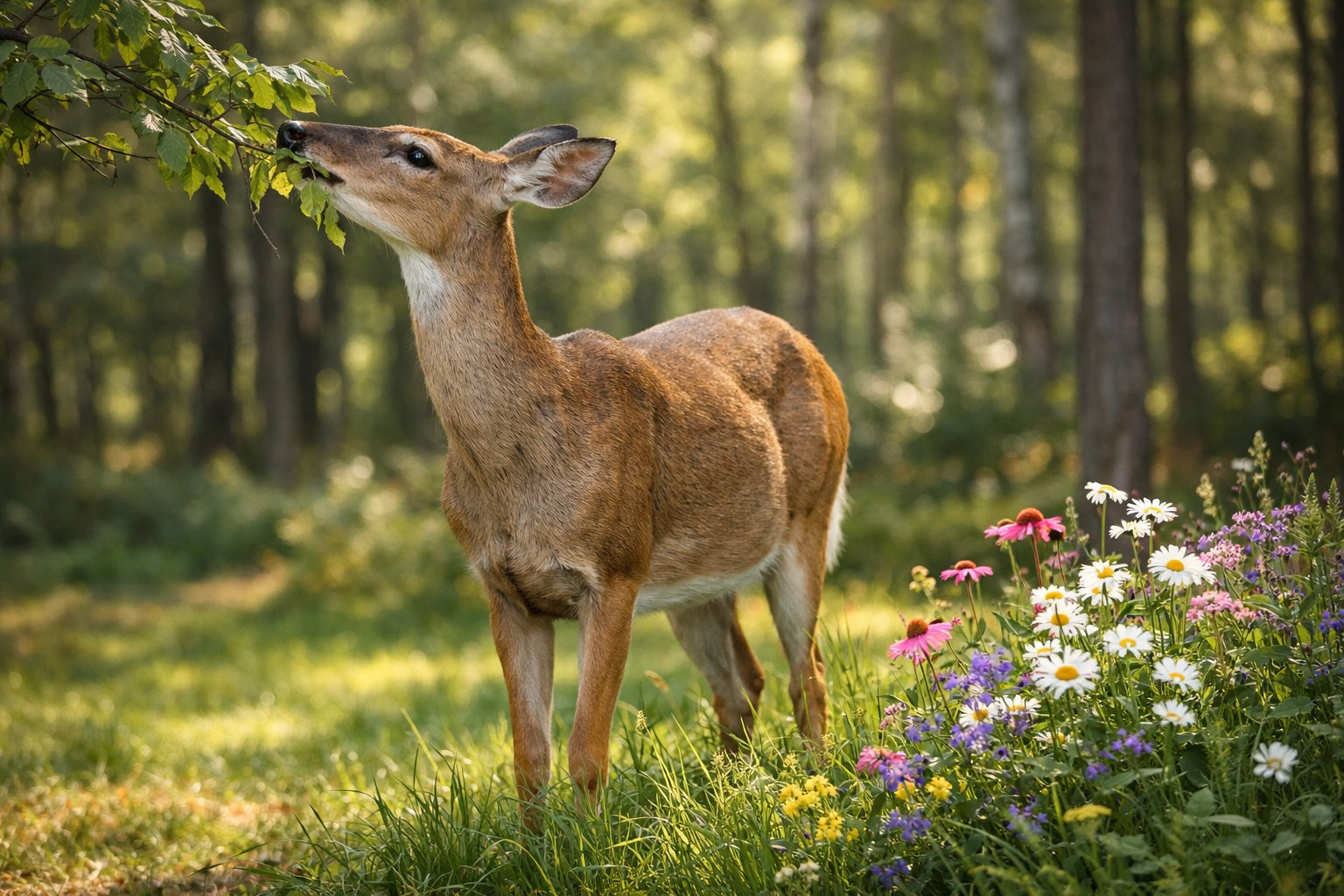
As you scroll through, you’ll get a feel for which foods really pull deer in during each season. There’s a bit of strategy to it—knowing what they want helps you guess where they’ll show up next.
Whether you’re planning a plot, growing crops, or just hoping to catch a glimpse, this stuff matters.
A Deer’s Favorite Foods Revealed

Deer don’t just eat anything—they go for foods that give them the most energy, fat, and protein for the time of year. You’ll see which wild and planted foods they choose most often, and why those picks matter for their health.
Acorns: The Ultimate Deer Treat
Acorns are like nature’s power bars for deer. They’re packed with calories and fat, and deer really need that before winter hits.
White oak acorns? Deer seem to love those best since they’re less bitter and have lower tannins than red oak acorns. When oaks drop a lot of acorns, deer flock to those trees and can put on weight fast.
You’ll spot the evidence—crushed shells, tracks under the oaks, and sometimes a browse line where they’ve munched everything reachable. Acorn crops swing wildly from year to year.
In bad years, deer just move on to other mast or whatever browse they can find, so you might find them in new places.
Alfalfa and Clover: Protein Powerhouses
If you want to draw deer in, try planting alfalfa or clover. Both are loaded with protein and easy-to-digest energy.
Young alfalfa shoots and clover leaves help bucks grow antlers and give lactating does a boost in spring and summer.
Mix up your clover plantings so there’s food all season. Rotate alfalfa to keep your soil healthy.
Keep the plots near cover—deer want to feel safe and need a quick escape route. Try not to overdo it with pellets or single-crop plots, since that can mess with their nutrition.
Apples, Pears, and Fruits: Sweet Indulgences
Fruits like apples and pears are a real treat for deer. They’re soft mast, so they offer quick sugars and moisture.
Deer go for the fruit on the ground first, then reach up for low branches when the pickings get slim. Fruit trees at the edge of the woods or in little clearings can pull deer in for both food and scent marking.
Fruit ferments quickly, so check your plots often—bad fruit draws pests and can upset deer stomachs. Use fruit as a supplement, not the main course.
Mix fruit trees with browse and cover, so deer stay healthy and don’t become too picky.
What Shapes a Deer’s Food Preferences?

Deer choose foods that give them the most energy and nutrients, with the least risk. You’ll notice their tastes shift with the seasons.
Sometimes it’s wild plants, sometimes farm crops, and you’ll see different patterns in forests, fields, and even neighborhoods.
Seasonal Changes in Deer Diet
Spring and early summer bring out the grazers in deer. They target wildflowers, forbs, and young leaves—all packed with protein for fawn growth and antler building.
You’ll probably catch them munching grasses and clover in open fields.
Late summer and fall flip the switch. Deer crave carbs then, so they eat corn, soybeans, and oats if they find them, and search for acorns, chestnuts, and beechnuts under the trees.
Fruits like persimmons and berries also become important when they’re fattening up for winter.
Winter’s tough. Deer start eating woody things—twigs, buds, and evergreen leaves from shrubs and trees like maple, dogwood, and sumac.
When food gets scarce, they’ll even risk wandering into yards for landscaping plants.
Natural and Agricultural Food Sources
In the wild, deer munch on grasses, forbs, shrubs, leaves, twigs, buds, nuts, and fruit. Oak trees drop acorns that feed deer heavily in fall.
You might see deer nibbling on maple and dogwood saplings, and that can actually change how forests grow back.
Crops like corn and soybeans are a huge draw during and after harvest—plenty of calories, easy to eat. Wheat and oats give them both food and cover in some regions.
If you plant clover or alfalfa, you’ll see deer coming for the nutrition and the taste.
If you’re managing land, try mixing natural browse with food plots. Plant a variety—grasses for summer, legumes for protein, and mast trees for fall.
That way, you support deer through every season. Just remember, feeding deer can shift their patterns and even change how many stick around.
Regional and Habitat Influences
Where you live really shapes what deer like to eat. In mixed hardwood forests, you’ll notice more mast feeding under oak and beech.
If you’re in an agricultural valley, deer go for corn and soybean fields, especially in winter and fall. Coastal or southern spots might have more persimmons and green browse, even in colder months.
Suburban deer? They adapt fast. You’ll catch them munching on young maple leaves, digging around in yards for tender shoots, or even grabbing birdseed and fallen fruit.
Habitat fragmentation pushes deer into smaller food patches. That just means they put more pressure on whatever plants are left.
Elevation and climate? Those matter, too. Cold winters force deer to eat woody browse, while mild winters let them stick with grasses and forbs a bit longer.
If you’re hoping to attract deer, try planting or saving foods they really need in your region—oaks for acorns, shrubs for winter, and some fields or plots for summer forage.


