
Ever spot a deer standing perfectly still at the edge of a field and wonder, “Is it asleep on its feet?” Most deer don’t actually sleep standing up at night. They’ll lie down for real, deep sleep, but sometimes catch quick, light rests while upright to stay alert. So if you see a deer standing motionless after dark, it’s probably just dozing or keeping watch, not in a full snooze.
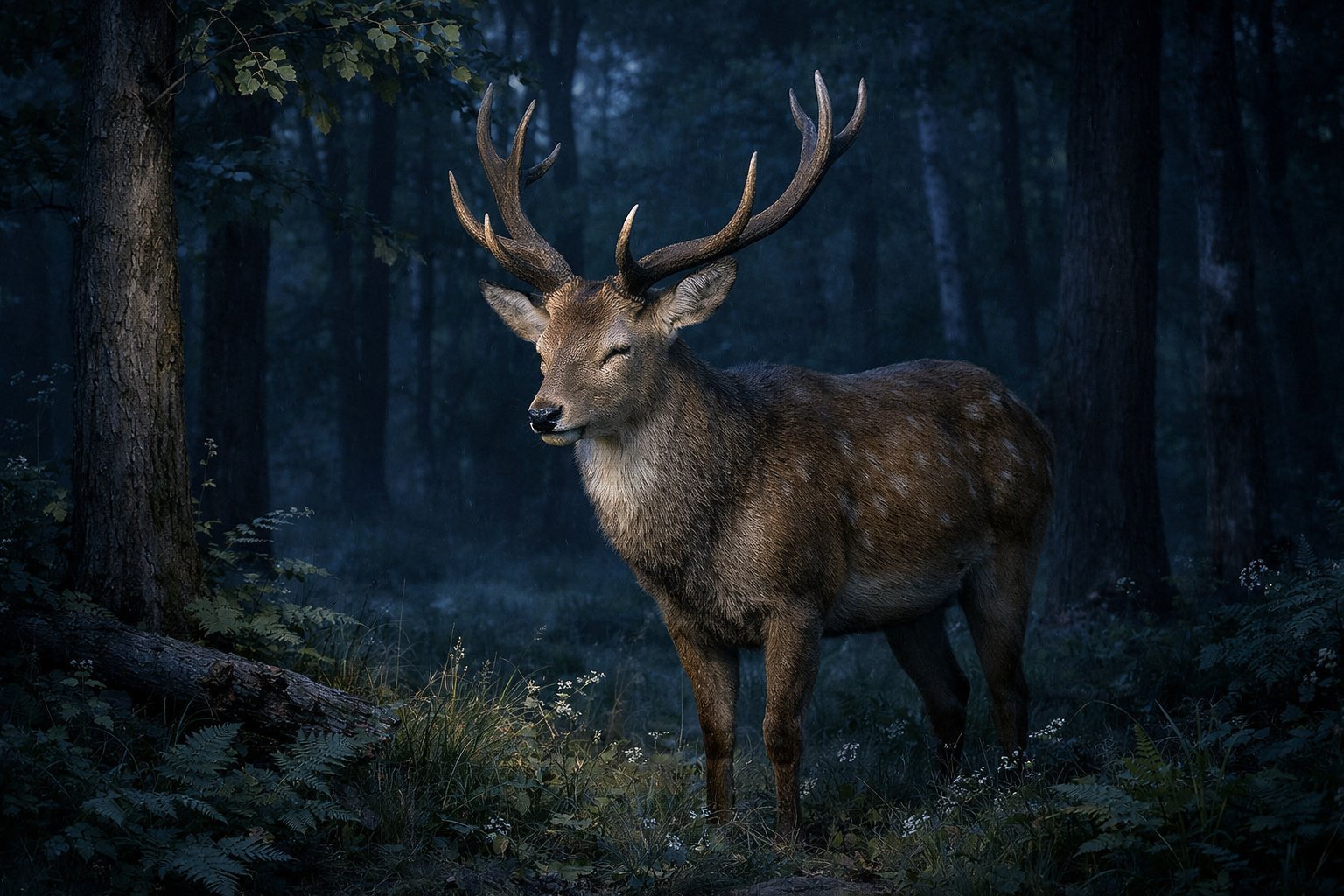
Let’s dig into why deer nap in such short bursts, how they juggle safety and rest, and those moments when they do stand watch. Understanding this helps make sense of the odd things you see at the edge of woods, in your yard, or near the road—because honestly, a deer’s sleep is nothing like yours.
Do Deer Sleep Standing Up at Night?

Deer usually grab rest in short bursts and stay on high alert for danger. They pick sheltered spots when they really need to sleep.
You’ll catch them lying down for deep rest, but sometimes they’ll stand for a quick nap if they need to keep an eye out. It depends on how much cover there is, how many deer are around, and the risk level.
Typical Sleeping Positions
Most grown deer bed down in hidden spots when they want deep rest. You’ll often find them curled up on their sides or with their heads up, tucked away in tall grass or beneath shrubs.
Fawns have this habit of tucking their noses under a hind leg and keeping super still while the adults feed nearby.
Standing sleep isn’t the norm. Sometimes deer stand with a relaxed posture and droopy ears for a short nap.
That way, they can bolt at the first sign of trouble. If you watch deer around dusk, you might see more of them standing and resting, but real, deep sleep usually happens when things are quiet and safe.
Standing Rest Versus Deep Sleep
When deer stand and rest, they’re staying light on sleep and super alert. You’ll notice slower breathing and some relaxed muscles, but they’re ready to run at a moment’s notice.
Their legs have this tendon “stay” mechanism, so they don’t get tired standing there. For deep sleep, deer lie down and let everything go slack.
Their heart rate drops, and they tune out the world a bit more. Don’t mistake a standing deer for one in deep sleep—it’s just not the same kind of recovery.
When and Why Deer Stand While Resting
Deer tend to stand and rest when they feel exposed or don’t have much cover. In open yards or fields, they’ll pick standing rest to make a quick getaway easier.
In a group, some deer lie down while others stand and keep watch. It’s a bit like taking turns on night duty.
Time of day plays a role. Deer get most active at dawn and dusk, so you’ll see more short standing naps then.
Bad weather or lots of predators nearby? You’ll spot more standing rest and shorter sleep spells. If you want to watch deer without spooking them, keep your distance and stay quiet so they can settle where they feel safe.
Understanding Deer Sleep Patterns and Habits

Deer don’t really get long, solid sleep. They rest in quick bursts, always on alert, and pick bedding spots that balance comfort with a fast escape.
Let’s look at when they rest, where they bed down, how long their sleep lasts, and how these habits change between species.
When Do Deer Sleep?
Deer usually move around most at dawn and dusk—they’re crepuscular, if you want the fancy term. Instead of one long sleep, they grab short naps throughout day and night.
Right after they feed and move at twilight, you’ll often find them settling in for a brief rest. Light dozing lets them keep their senses sharp for predators while still getting a bit of recovery.
Things like hunting pressure, weather, and food change when they sleep. In cold weather, deer might rest more during the warmest part of the day.
If people or predators are active at night, they’ll shift more of their rest to daylight hours. Makes sense, right?
Where Do Deer Sleep?
Deer make shallow spots—“forms”—in grass, leaves, or snow to bed down. You’ll usually find these forms in thick brush, tall grass, or near fallen logs that help hide them.
They like places where they can see around and make a quick escape if needed. Bedding near the edge of woods and fields gives them food nearby and a fast exit route.
White-tailed deer often choose mixed woods or brushy edges. Mule deer prefer rough, broken terrain or rocky spots. Moose? They’ll bed in willow or alder thickets near water.
If you’re curious, you can spot likely bedding areas by checking out the lay of the land and where the best food is.
How Long and How Often Do Deer Sleep?
Deer sleep in a bunch of short cycles—usually 20 to 40 minutes of light sleep, with the occasional deeper nap. You won’t really catch them in long stretches of REM sleep; those deep episodes are pretty short.
They switch between alert rest (head up, ears twitching) and deeper rest (lying with legs tucked). This keeps them ready to jump up fast if something spooks them.
Daily sleep time isn’t huge—just a few hours scattered through the day and night. Fawns and older deer might sleep longer, but healthy adults stay more on guard.
Differences Among Deer Species
Different deer species handle sleep in their own ways, depending on body size, habitat, and what’s out there hunting them.
You’ll see white-tailed deer bedding down in thick brush, hoping to stay out of sight from coyotes or people.
Mule deer, on the other hand, pick open, rugged spots and usually bed where a slope gives them a quick escape route.
Moose are much bigger, so they’ll settle into dense willow or alder patches. They might even lie down for longer rests, since adult moose don’t have as many predators to worry about.
Sleep depth varies too. Smaller deer just nap quickly and lightly.
Moose and other large species can get into deeper sleep, but they still stick to short, alert patterns—just in case something sneaks up.


