
So, your dog killed a deer in the UK. Now what? You’ve got to act fast—there are practical things to do and, honestly, some legal headaches you might face. Report what happened as soon as you can and keep your dog under control. If you don’t, you could get prosecuted or fined, and civil claims aren’t out of the question either.
You’ll probably be held responsible, both legally and financially, so it’s crucial to report the incident and get advice right away.
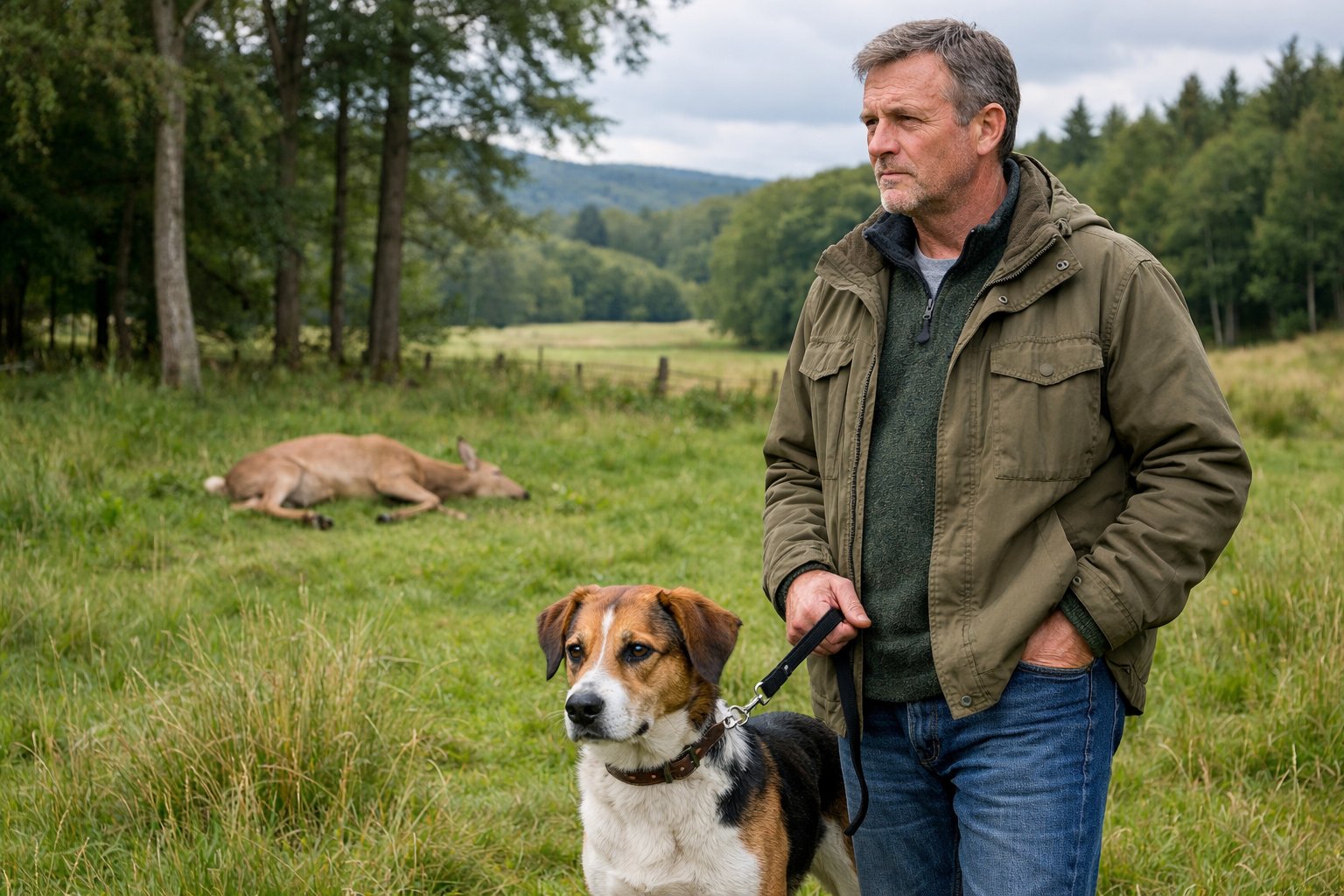
This guide will walk you through what to do at the scene and how the law might come into play. You’ll find practical steps for right now and some tips to help avoid this situation in the future.
Immediate Actions and Legal Consequences
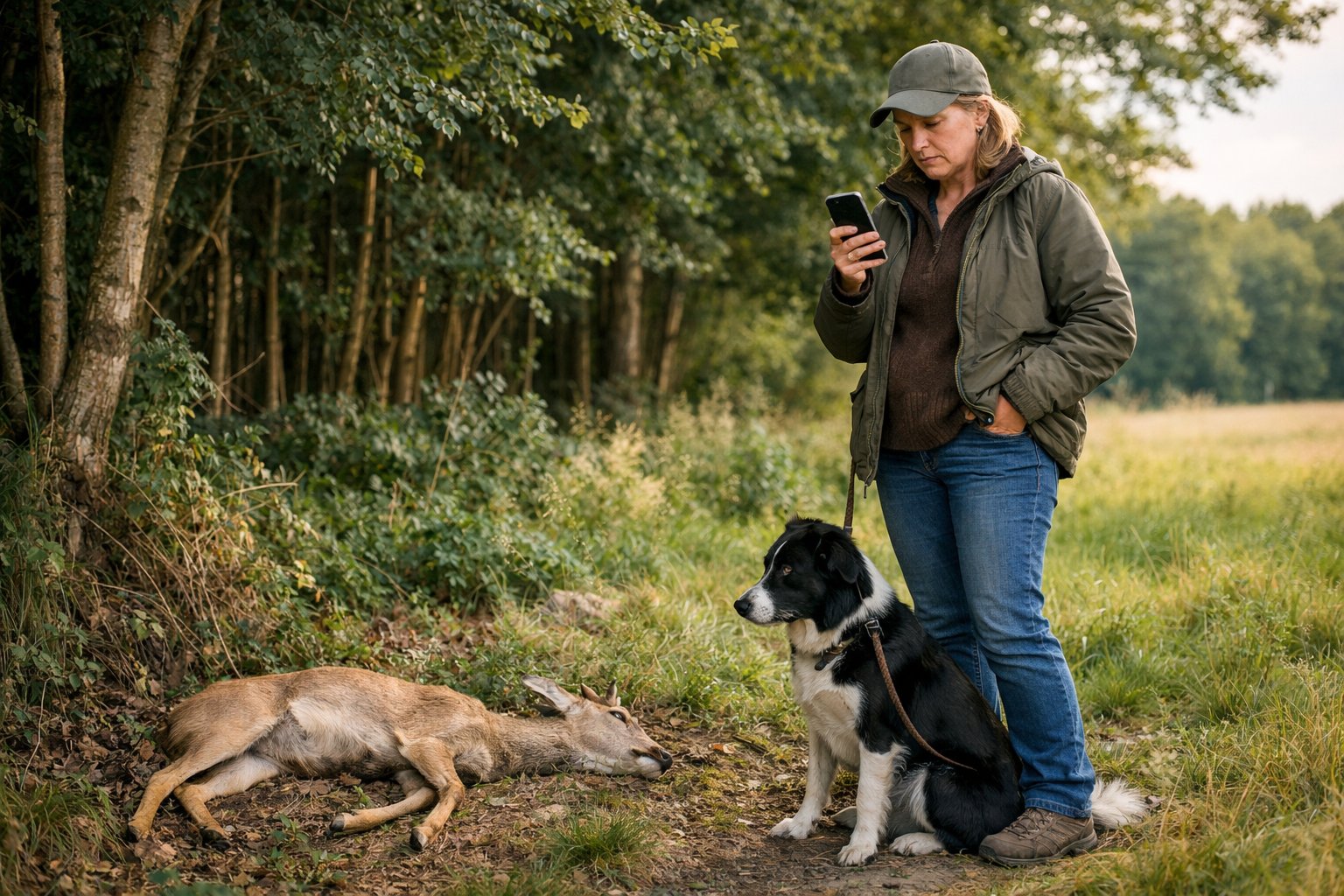
Don’t wait around. Secure your dog, document what happened, and contact the right authorities. You might face criminal or civil action, so keep records—vet bills, photos, even witness info.
Reporting the Incident to Authorities
If the deer is hurt or dead, call your local police non-emergency number and reach out to wildlife or countryside rangers. In Scotland, contact NatureScot if it’s about protected sites or managed herds.
Give clear details: where and when it happened, how many dogs, and whether the deer was wild, in a park, or on a deer farm.
Snap photos of the scene, the deer, and your dog. Hang on to any vet records if your dog got injured. Grab names and contacts for any witnesses.
Don’t move the carcass unless the authorities tell you—it can mess up their investigation.
If the deer is on private land or belongs to a farm, let the landowner or gamekeeper know right away. Captive deer count as property, so reporting it can lead to a different legal process than with wild deer.
Key UK Laws Governing Dog Attacks on Deer
Several laws might come into play, depending on where you are and what happened. The Dangerous Dogs Act 1991 could apply if your dog’s actions risk public safety. The Dogs Act 1871 allows civil claims if your dog’s out of control and causes damage or injury.
If someone encouraged dogs to chase deer, the Hunting Act 2004 and other wildlife protection laws could get involved. Scotland has its own rules too, like the Control of Dogs (Scotland) Act and the Hunting with Dogs (Scotland) Act 2023, which set out specific duties.
Local bylaws and leash rules can matter a lot. In parks and reserves, dogs often have to stay on leads where deer are around. The British Deer Society suggests keeping dogs on leads in deer areas to avoid stress or attacks.
Possible Penalties for Dog Owners
Penalties really depend on the law and what actually happened. Under the Dogs Act 1871, a civil court might order you to pay damages or even surrender your dog if it’s found dangerous.
Criminal charges under the Dangerous Dogs Act or similar laws can lead to fines, community orders, or—though it’s rare—even jail time if there’s a public safety threat.
You could get fined for vet bills or carcass disposal, especially if the deer was captive. Landowners might ask for compensation if they lost livestock. Authorities might require you to muzzle your dog, keep it on a lead, or send you to training classes.
In extreme situations, a court could order your dog to be put down. That’s not common, but it does happen if the dog is seen as a real danger. It’s always best to follow legal advice and cooperate with investigators to keep things from escalating.
Prevention, Responsibility, and Dog Behaviour
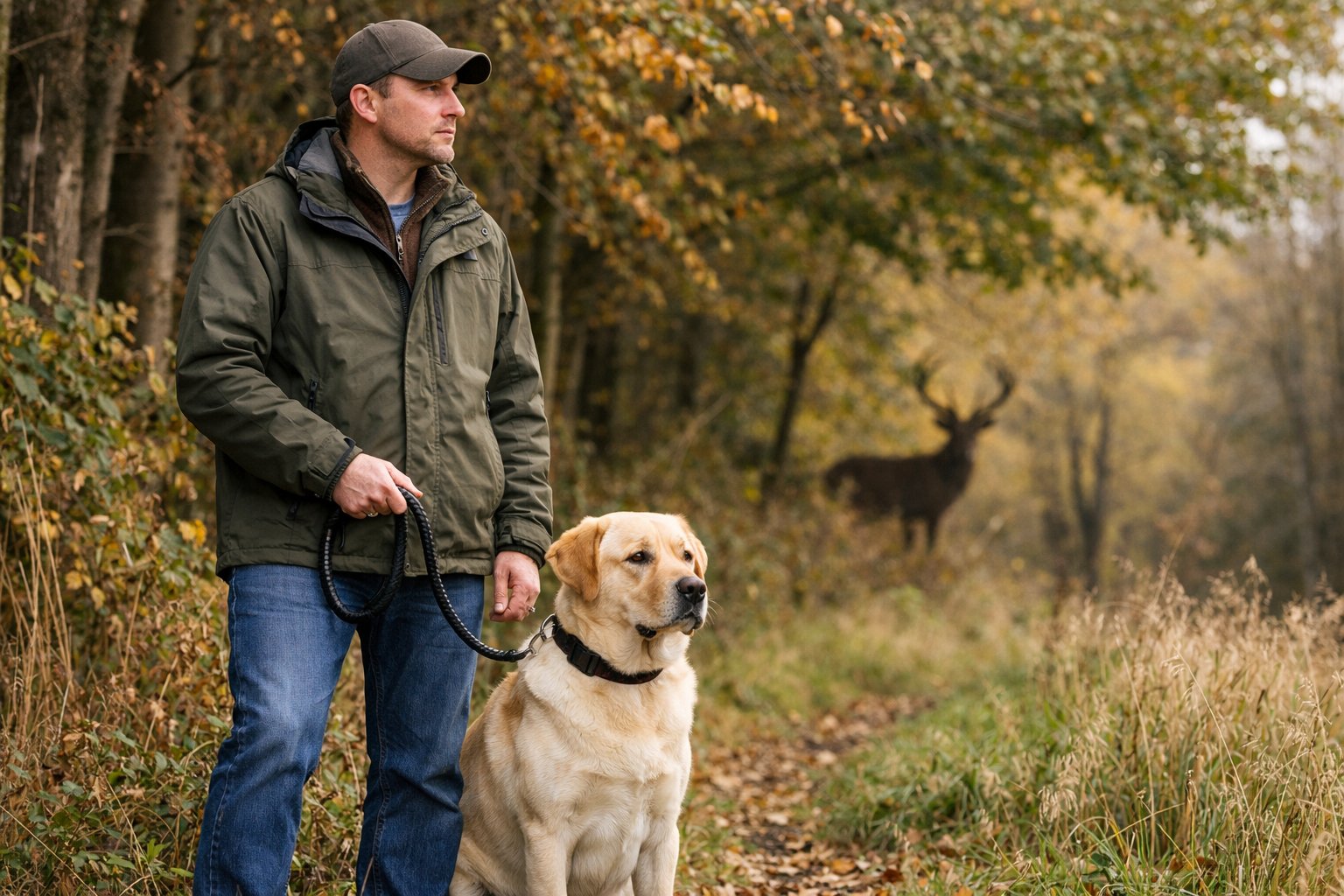
You can lower the risk by managing your dog’s outdoor time, working on recall, and putting up barriers where deer tend to wander. Taking practical steps like these protects wildlife and helps you avoid legal trouble.
Understanding the Canine Hunting Instinct
Dogs are wired to chase. Some breeds, like hounds and terriers, have a crazy-strong prey drive and will go after deer, foxes, or even badgers if they get the chance.
Watch for the signs: fixed stares, tails up, and sudden sprints mean your dog’s instincts are kicking in.
If your dog acts like that, skip off-lead walks in woods or fields, especially at dawn or dusk when deer are out. Use a long line for safer exploring.
A professional behaviourist can help if your dog’s a hardcore hunter and you’re not sure what to do.
Dog Training and Supervision Strategies
Work on recall first, always. Start in boring, low-distraction spots, then try fenced areas with distractions—maybe a scent trail or a moving toy. Reward fast returns with the best treats you can find, so your dog learns coming back is worth it.
Always supervise your dog outside. Keep them on a lead near hedgerows, and use secure fencing if deer visit your garden.
A GPS collar can help you find a runaway, but don’t rely on it until your recall is solid. For dogs with a strong prey drive, team up with a behaviourist for desensitisation and impulse-control work.
Promoting Responsible Pet Ownership
Stick to your local laws and respect wildlife protection rules. If you’re living close to wild animal corridors, put up clear signs for your neighbors.
Try to keep dogs supervised, especially during times when deer tend to cross. Bring the right gear—grab a strong lead, maybe a long line, and keep a whistle handy for recalls.
Make sure your dog has a microchip and insurance, just in case you need to cover damage or legal issues. If something happens, let local authorities know right away and work with them.
Teach your family safe ways to handle pets, and remind everyone not to encourage chasing. Taking these steps shows you care about animal welfare and helps keep both pets and wildlife safe.


