
Most of the time, you expect deer to just run off or keep to themselves. But sometimes, they get aggressive—especially during mating season, when they’re protecting fawns, or if they feel trapped. Those rare moments? They can actually be dangerous. It’s smart to know what sets deer off and how to spot the signs so you can steer clear of trouble.
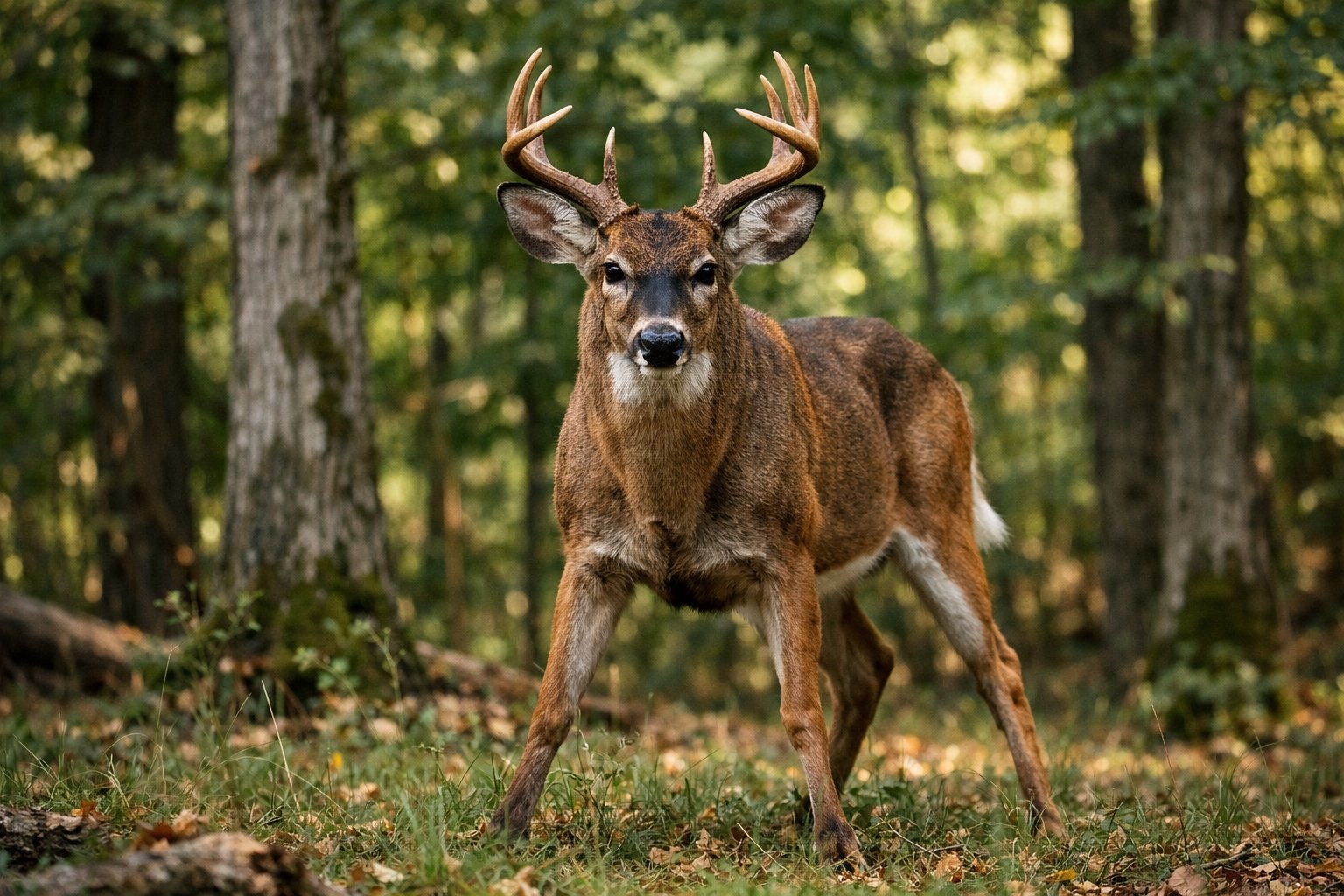
Deer usually want nothing to do with people. But what makes them aggressive? And what should you do if a deer suddenly turns hostile?
Let’s talk about warning signs, how to lower your risk outside, and how to keep your cool if a deer comes too close.
When and Why Deer Get Aggressive With Humans

Most deer avoid people, but there are times when they act out. You’ll want to pay attention, especially if you see fawns, it’s mating season, or a deer seems oddly comfortable—or injured.
Aggression During Rutting Season
Rutting season hits in the fall. Male deer, or bucks, get laser-focused on finding mates and fighting off rivals.
They can get so caught up that they ignore humans and act way bolder than usual. You might spot bucks locking antlers, scraping up dirt, or stomping their hooves. Those are all signs of serious agitation, and if you get too close, you could get charged.
Sometimes, bucks will fake a charge—or just go for it. They might see your movement and think you’re a rival or a threat to a doe. Best bet? Stay dozens of yards away, move slowly, and never put yourself between two bucks or near a doe a buck is following.
Maternal Behavior and Protecting Fawns
Does get extremely protective when they have fawns, usually in spring and early summer. If a mother thinks you’re a threat, she’ll defend her baby.
Watch for a lowered head, raised hair on her neck, stomping, snorting, or quick little charges.
If you stumble across a fawn by itself, just leave it be. Most fawns hide while their mom grazes nearby.
Back away calmly and give them plenty of space. Keep your dog on a leash. If a doe stares you down, move away slowly and try to put a tree or something solid between you and her.
Deer Aggression From Feeding and Habituation
Feeding deer really messes with their natural instincts. If you give them food, or even leave food out, they start to lose their fear of people.
Habituated deer can get pushy—begging, nudging, or even nipping if you don’t hand over snacks. That’s a recipe for trouble, especially in neighborhoods or parks.
Don’t feed them. Take down bird feeders that attract deer and lock up trash. Deer that expect food will stick around and may act bold around kids or pets.
If you run into a deer that’s gotten too comfortable, let local wildlife or park staff know. Don’t try to scare it off yourself.
Other Triggers: Cornered, Injured, or Sick Deer
A cornered deer won’t hesitate to defend itself. If it can’t escape—maybe it’s trapped in a fence or surprised in a tight spot—it might kick, jab with its antlers, or even charge.
Injured or sick deer can act strange, too. Some diseases make them confused or less wary of people.
If you see a deer acting off or hurt, back away and call wildlife authorities. Don’t try to help it on your own.
Keep kids and pets away, and let the professionals handle it.
Want to dig deeper? Check out this page on do deer attack humans?
How to Recognize, Prevent, and Respond to Aggressive Deer

Deer get defensive during mating season and when they’re guarding fawns. It helps to know what warning signs to watch for, a few prevention tricks, and what to do if a deer actually charges.
Warning Signs of Aggressive Deer
Keep an eye out for deer that drop their head low, stiffen up, or pin their ears back. Bucks in rut might snort, paw at the ground, or point their antlers right at you.
Does with fawns often hang near a hiding spot and might clack their teeth or give short, sharp snorts.
If a deer starts following you, lunges, or you see its neck hair standing up, it might be about to charge. Sick deer sometimes stagger or even walk toward people—report those to your state wildlife agency.
Stay at least 50 yards (about 45 meters) away when you can, and if you spot these signs, just move away slowly.
Best Practices to Avoid Deer Attacks
Never feed deer. Feeding them makes them lose their natural fear and can lead to pushy or even aggressive behavior.
Lock up your trash, don’t leave pet food outside, and pick garden produce as soon as it’s ripe.
Physical barriers help. Put up a 7–8 foot fence around your garden, set up motion-activated lights or sprinklers, and try commercial deer repellents on your plants.
Plant deer-resistant shrubs near doors and paths. When you’re walking your dog in deer country, keep it leashed. Try to avoid dawn and dusk since deer are most active then.
If you see deer ahead, take a different route or give them plenty of space.
What to Do If a Deer Charges or Attacks
If a deer charges, don’t run. Running just makes it chase you.
Face the deer and back away slowly. Make loud noises—shout, clap, or even blast an air horn if you’ve got one.
Wave your arms or lift your jacket above your head so you look bigger. Try to intimidate the deer instead of showing fear.
Put something solid between you and the animal. Maybe climb on a car, duck behind a tree, or get inside a building if you can.
If you fall, curl up in a ball and protect your head and neck with your arms. It’s not glamorous, but it can help.
After any contact, get medical care for bites or kicks. Report any aggressive or weird deer behavior to local wildlife officials.
If you spot a deer that looks rabid or just really off, call animal control right away. Better safe than sorry.
You might want to check out more on when deer turn aggressive and what to do about it in these articles: do deer attack humans and deal with aggressive deer.


