
Ever spotted a deer frozen in the woods and wondered if it was dozing off? Yeah — deer can rest while standing, but honestly, they usually lie down for real sleep or even just a quick nap. Mixing up standing rest with curled-up sleep keeps them safer from predators and still gives them the rest they need.
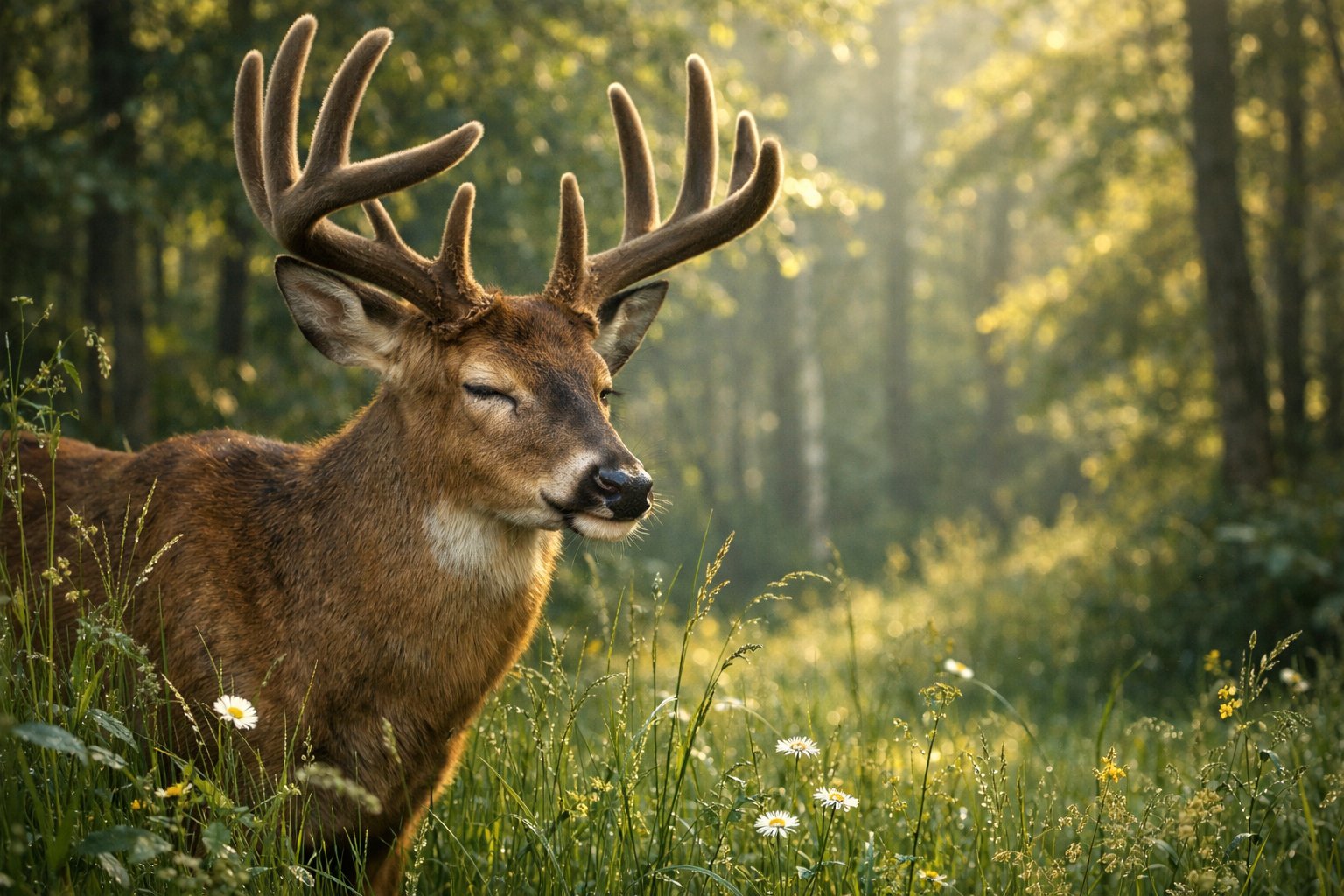
Let’s dig into why deer pick certain bedding spots, when they actually get most of their sleep, and how those short sleep cycles keep them alert.
I’ll break down how standing rest isn’t quite the same as true sleep, and where deer feel safe enough to close their eyes.
Do Deer Sleep Standing Up?

Deer can rest on their feet, but they get most of their deep sleep lying down. You’ll spot them using bedding areas with some cover to feel safer, switching between light, alert rests and those short, deeper sleeps on their sides.
How Deer Sleep: Lying Down Versus Standing
When a deer beds down, it usually curls up or lies on its side with its head up. In that position, it relaxes more and manages to get those short bursts of deeper sleep.
Bedding spots offer cover from wind and brush, so the deer feels safer and can let its guard down a bit.
Standing rest looks different. A deer will lock its leg joints to save energy while staying upright, thanks to a “stay” mechanism.
That way, it’s always ready to bolt if something spooks it.
You’ll notice half-closed eyes, slower breathing, and a chill posture when it’s resting on its feet. But it just can’t reach the same level of muscle relaxation as when it’s lying down.
Light Sleep vs. Deep Sleep in Deer
Light sleep happens a lot, but only lasts a few minutes each time. During these quick naps, the deer stays alert enough to pick up danger with its ears and nose.
These little naps usually happen while feeding, moving between cover, or hanging out in open spots where threats could pop up.
Deep sleep kicks in when a deer feels safe enough to lie down in a good bed. Its heart rate drops and its muscles finally get to relax.
Deep sleep doesn’t last long and happens less often than it does for us humans, but it’s when the deer’s body actually recovers.
Fawns crash deeper than adults since they need extra rest for growing and healing.
Why Deer Sometimes Sleep Standing Up
Deer mainly sleep standing up to dodge predators and to make a quick getaway if they have to. In open areas or when there’s a lot going on nearby, staying upright means they can run without wasting time getting up.
If you see a group of deer, you’ll notice some might lie down while others stay standing as lookouts.
Pressure from the environment really matters. In spots with lots of people, dogs, or predators, deer lean toward standing rest and keep their sleep shorter.
When you find dense bedding areas, you’ll see more deer lying down and getting deeper sleep.
Where, When, and How Long Do Deer Sleep?

Deer pick hidden, sheltered spots and nap in short bursts throughout the day.
Let’s look at where they bed down, when they rest most, and how long each sleep cycle really lasts.
Where Do Deer Sleep
You’ll usually find deer tucked away in thick cover—think brush, tall grass, or a cedar thicket. They pick spots that block wind and sight lines, so they can smell and hear danger coming.
Look for flattened grass, droppings, and maybe a shallow groove where a deer curled up.
Deer often come back to the same beds. A family group will have several beds nearby and rotate between them.
Does pick spots far from trails and people, especially when hunting pressure is high.
If you’re hoping to spot a bedding area, check those transition zones between open feeding fields and dense cover.
Deer Sleep Patterns and Timing
Deer are crepuscular, which means they feed mostly at dawn and dusk, then rest during the brighter parts of the day.
Most deep rest happens midday, usually from noon to late afternoon. Sometimes, they’ll sneak in a short nap after a busy night.
You’ll see deer move in bursts: feed, bed down, then feed again. In places with lots of predators or hunters, they’ll bed deeper in the woods or shift their rest to darker hours.
Even when their bodies relax, their ears and noses don’t miss much.
How Long and How Often Do Deer Sleep
Deer definitely don’t sleep the way humans do. Instead of one long stretch, they grab a bunch of short naps—sometimes just 30 seconds, maybe a few minutes. All those little rests add up to several hours a day.
Their total rest time usually falls somewhere between four and twelve hours. It really depends on what they’ve eaten, the season, and whether they feel safe.
After each quick nap, deer often spend 20 to 30 minutes just lying there, kind of chilling but still alert. Even when they settle in for deeper sleep, they stay on edge and can leap up in a flash if something startles them.
If you keep track of their patterns, you’ll notice all these quick naps, broken up by short bursts of alertness or movement.
Curious about where deer like to sleep and why? You might want to check out the World Deer article for more details on their bedding habits and sleep behavior.


