
You see deer all the time—sometimes in the woods, sometimes right at the edge of town—and maybe you’ve wondered how long they actually get to live. Wild deer usually make it about 4–6 years, but if you put them in a protected or captive setting, they can hit their teens pretty easily. That’s the quick answer, but there’s a lot more going on under the surface.
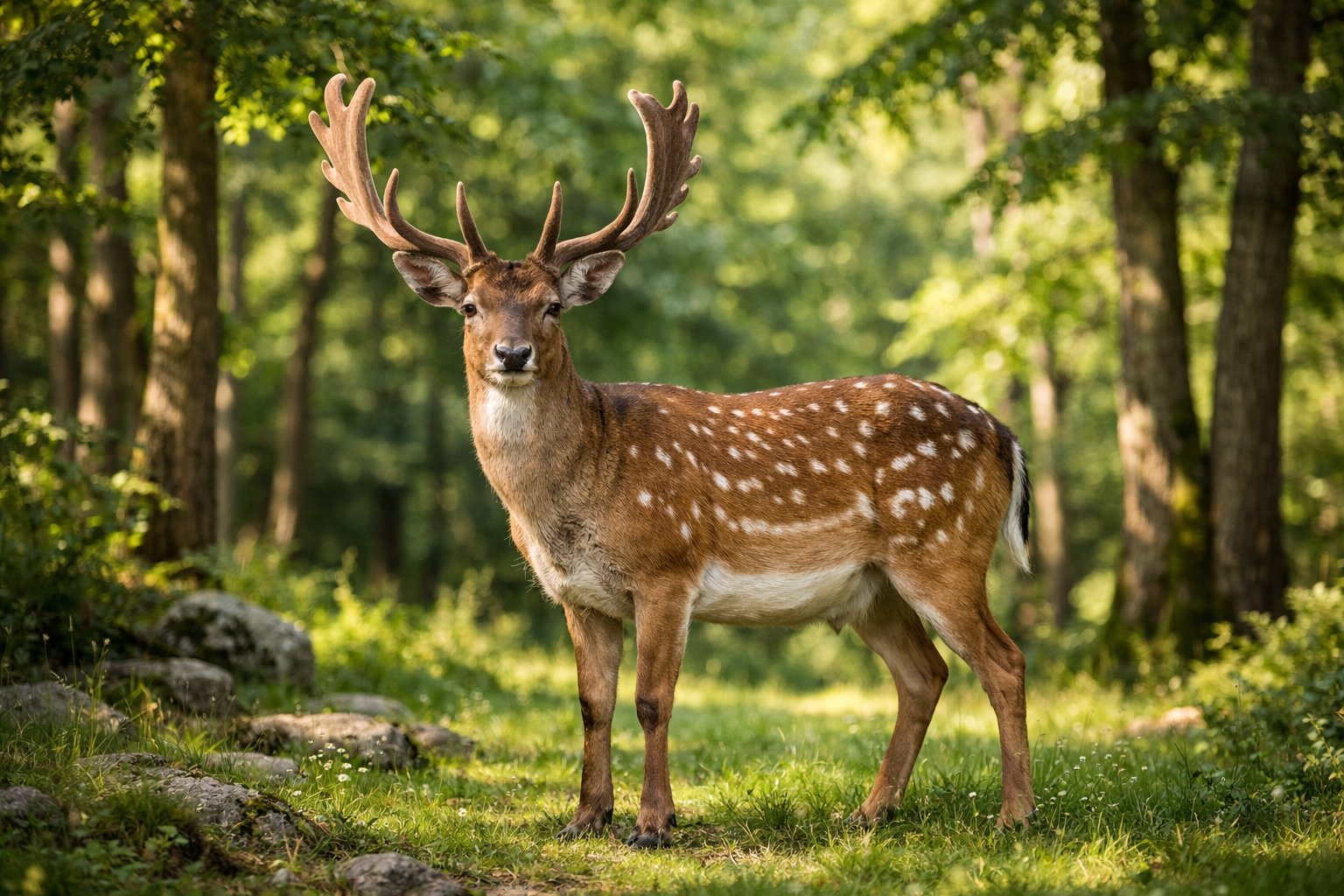
Let’s dig into what really shapes those numbers. There’s hunting, cars, disease, and food shortages, plus the differences between species and even between males and females.
You might be surprised by which factors have the biggest impact—and what lets some deer live way longer than others.
How Long Will a Deer Live? Average and Maximum Lifespans

Deer in the wild don’t live nearly as long as those in captivity. Your local white-tailed or mule deer have to deal with predators, hunters, cars, and disease—stuff that really cuts their lives short.
Meanwhile, captive deer get reliable food, medical care, and a safe place to live.
Wild Deer Versus Deer in Captivity
Wild deer usually last about 3–6 years. Field studies say white-tailed deer in the wild average around 4 to 5 years.
Bucks don’t live as long as does because they move around more during the rut and get hunted more often.
In captivity, deer can stick around much longer. Captive white-tailed deer, for example, often reach 8–15 years with good care.
They get vaccines, steady meals, and don’t have to worry about predators or cars. That’s how some of them even make it past 20 years.
Hunting, car accidents, and diseases like chronic wasting disease tend to end wild deer lives early. If you manage the habitat or cut down on roadkill, local deer can actually live longer.
Lifespan Differences Among Deer Species
Different species have their own averages. White-tailed deer in North America usually live 4–6 years in the wild.
Mule deer aren’t much different, though it depends on where they live. Red deer (Cervus elaphus) in Europe and Asia sometimes last longer, with wild averages around 8–12 years if the habitat’s good.
Roe deer (Capreolus capreolus) are smaller and easier targets, so their wild averages come in at about 4–8 years. Elk and other big deer species can live even longer.
Adult elk might make it 10–15 years if conditions are decent. But honestly, climate, predators, and people can matter more than species.
Oldest Deer on Record
Some deer really beat the odds, but it’s almost always in captivity. A Scottish red deer doe reportedly reached 31 years with human care.
Wild deer don’t get close to that. The oldest known wild deer made it to about 18–19 years before dying from injury or just old age.
Records show wild white-tailed deer rarely get past 15–19 years. When you hear about a super-old deer, it’s usually a doe from a protected area.
Captivity just makes it possible for them to live that long.
Key Factors That Affect Deer Lifespan

A bunch of threats, both obvious and hidden, shape how long deer last. Predators, people, disease, and the quality of their habitat all play a role.
A fawn or an old buck—each faces different risks.
Predators and Deer Mortality
Predators go after a lot of young deer and sometimes adults, too. Mountain lions, wolves, coyotes, bobcats, and black bears mostly hunt fawns.
Fawns under six months have it rough—they can’t run fast or hide well.
Adults aren’t totally safe. Wolves and mountain lions can take down bucks, especially in winter when food is scarce.
Coyotes and bobcats sometimes target sick or injured adults. More predators in an area means deer survival rates drop.
Wildlife managers keep an eye on predator numbers to help balance herds and keep fawn deaths down.
You can help by making sure deer have good cover and by not leaving food or livestock out that attracts predators.
Hunting Pressure and Human Impacts
Hunting and humans cause most deer deaths in lots of places. Regulated hunting removes deer, especially bucks with big antlers.
That changes the age structure—areas with lots of hunting have fewer old bucks.
Deer-vehicle collisions are another big problem. Over a million deer get hit or killed by cars every year in the U.S., mostly at dawn or dusk near highways.
Urban sprawl and habitat loss push deer into roads and tiny forest patches, making things worse. Local laws, hunting seasons, and how many hunters are out there all affect deer numbers.
Wildlife programs set rules to keep herds in check and avoid overpopulation.
Diseases That Shorten Deer Lifespan
Diseases can hit deer populations fast. Chronic wasting disease (CWD) leads to weight loss, weird behavior, and eventually death.
It can even stick around in the soil, making it tough for herds to recover.
Epizootic hemorrhagic disease (EHD) causes sudden die-offs in late summer and fall. Sometimes, it wipes out a ton of deer in just one outbreak.
Other illnesses, like Lyme disease, don’t kill deer directly but spread ticks and other problems. Bacterial infections and parasites make deer weaker, so predators or bad weather finish the job.
Hunters and wildlife managers test deer to find disease hotspots. Cutting back on feeding and reporting sick deer helps slow things down.
Habitat Quality and Environmental Challenges
Habitat quality shapes the food, cover, and safe spots that fawns rely on.
When deer get good forage and a mix of woodland fields, they survive better and pack on fat for the winter.
But roads and development fragment the land, cutting down available forage and splitting up herds. That isolation really hurts genetic diversity and makes the population less resilient.
Severe winters, drought, and fires hit deer hard. Deep snow can trap them or block access to food, while drought stunts plant growth and pushes deer to wander farther than they’d like.
You might notice local folks stepping in—restoring habitats, planting food plots, or building travel corridors—to give deer a fighting chance.
Wildlife managers usually aim to improve habitat, hoping to boost deer survival and cut down on clashes between deer and people.


