
You might get bitten by a deer mouse, especially if you corner one or try to pick it up. Deer mice usually steer clear of people, but if they feel trapped or threatened, they’ll bite—so take any bite seriously.
If you spot signs of nesting or catch a mouse in a trap, stay careful and protect your hands and skin.
The rest of this article breaks down when bites happen, what health risks you should be aware of, and what to do if you get bitten.
You’ll also pick up steps for cleaning a bite and know when it’s time to see a doctor. If you’re curious about how to spot deer mouse activity or make your home a little safer, just keep reading.
Do Deer Mice Bite Humans?

Deer mice do bite, but it’s usually a defensive move when they feel cornered or scared.
Any bite deserves attention because these mice can carry germs in their saliva, urine, or droppings.
Behavior of Deer Mice
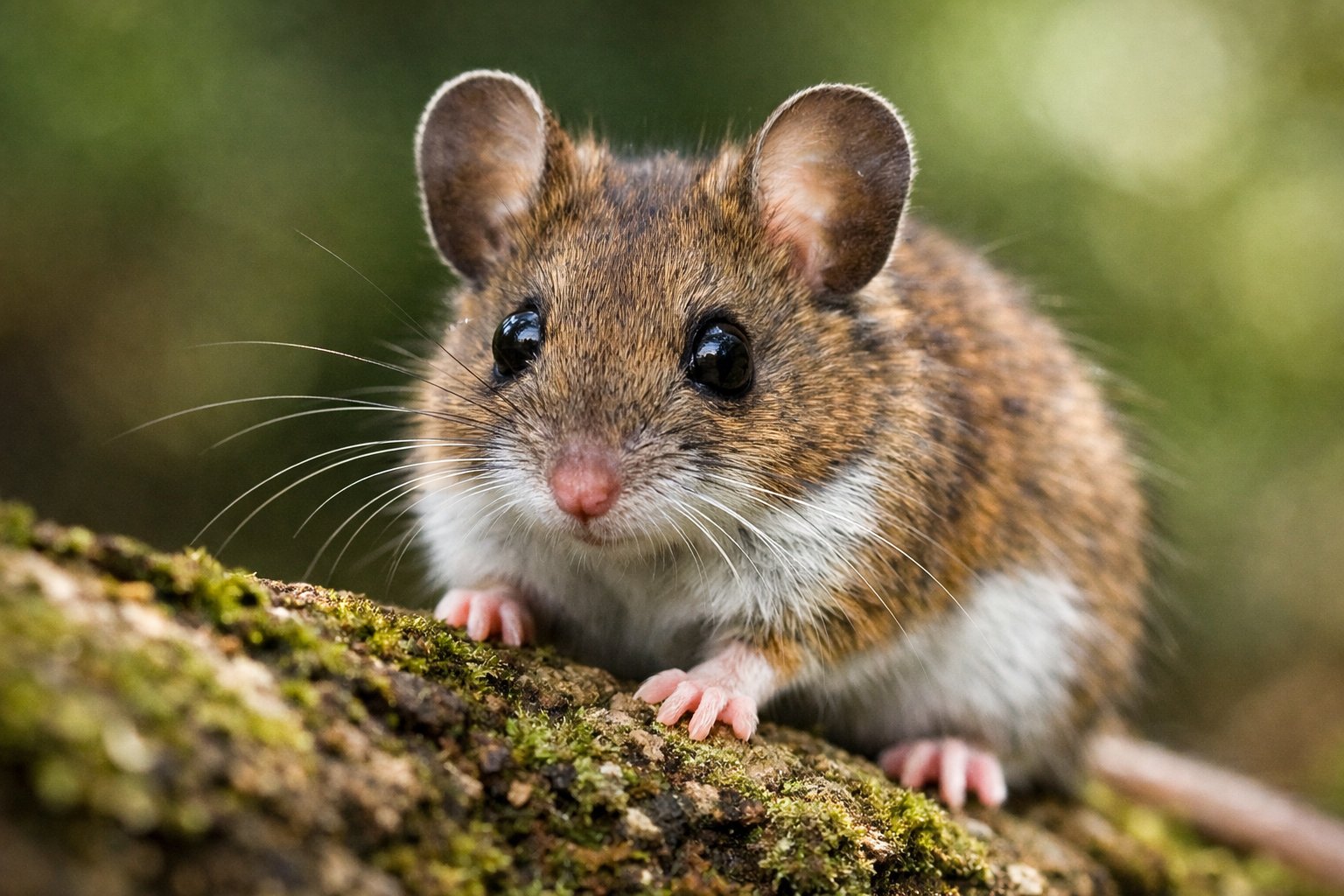
Deer mice (Peromyscus maniculatus) act shy and mostly come out at night. They’d rather avoid people.
You’ll find them in fields, along wooded edges, barns, and sometimes inside cabins or basements if there’s food or nesting stuff around.
They’ve got a bicolored tail and small bodies, which lets them squeeze through tiny gaps.
If you mess with a nest or back a mouse into a corner, it might try to run—or bite to defend itself.
They don’t hunt people down and won’t bite you in your sleep unless you accidentally trap one.
House mice and field mice act about the same, keeping away from humans when possible.
Circumstances Leading to Biting
Bites mostly happen if you handle, trap, or grab a deer mouse.
You could get bitten removing one from a live trap, cleaning out a nest, or reaching into cluttered storage where a mother mouse is hiding with her babies.
If your cat or dog catches a deer mouse, the mouse might bite them—and you could get exposed if you handle your pet afterward.
Bites also happen when mice feel stuck in tight spaces like crawl spaces, attics, or cars.
If you see droppings, nests, or chewed-up packaging, assume mice are around and use gloves and tools instead of bare hands.
How Deer Mouse Bites Happen
A deer mouse bite usually leaves one or two tiny puncture marks from their sharp teeth.
Bleeding tends to be minor, but bacteria from the mouse’s mouth can still get in.
Wash the bite right away with soap and water, then use an antiseptic.
If you notice fever, spreading redness, or your tetanus shot isn’t current, go see a doctor.
Deer mice can carry hantavirus and other germs, so don’t touch droppings or nests without gloves.
If you find deer mice inside, call pest control or follow public health advice for safe cleanup. That helps cut down on bites and disease risk.
Health Risks of Deer Mouse Bites

A deer mouse bite can put you at risk for viruses and bacteria.
Pay attention to wound care and watch for signs of infection.
Hantavirus and Hantavirus Pulmonary Syndrome (HPS)
Deer mouse saliva, urine, and droppings can carry hantavirus.
You can get infected if the virus enters a bite wound or if you touch your mouth or eyes after handling contaminated stuff.
Hantavirus Pulmonary Syndrome (HPS) starts out looking like the flu: fever, muscle aches, and tiredness.
After a few days, coughing and shortness of breath might show up as fluid builds in your lungs.
HPS can get serious fast and usually means a trip to the hospital, sometimes with oxygen or extra support.
Hantavirus infections are rare, but they’re no joke.
If you think you got exposed by a bite or handling contaminated material, let your doctor know so they can check for hantavirus and keep an eye on your breathing.
Bacterial and Viral Infections
A mouse bite can push bacteria into your skin, leading to infections like cellulitis or abscesses.
Wash the bite with soap and water, use an antiseptic, and cover it with a clean bandage.
Tetanus is another concern if your shots aren’t up to date.
If it’s been more than five years since your last tetanus booster and the bite is deep, get a booster shot.
Your doctor might give you antibiotics if the bite gets red, warm, oozes pus, or if red streaks appear.
Deer mice can sometimes carry other diseases like leptospirosis, typhus, or salmonellosis.
Usually, you get those from droppings or urine, but a bite that breaks the skin isn’t risk-free.
Symptoms of Deer Mouse Bites
Keep an eye on the bite for more pain, redness, swelling, or pus—those can mean a bacterial infection.
If you see red streaks moving away from the bite, the infection might be spreading.
Watch for fever, chills, bad muscle aches, nausea, or headache.
Flu-like symptoms can be an early sign of hantavirus or other infections, especially if you know you’ve been around deer mice or their mess.
If you notice coughing, trouble breathing, or chest tightness, don’t wait—those are urgent signs that could mean HPS.
Jot down when symptoms started and tell your healthcare provider about any mouse exposure when you get checked out.
When to Seek Medical Attention
If the bite’s deep, keeps bleeding, or starts looking seriously infected—like you see redness spreading, really bad pain, pus, or those weird red streaks—don’t wait. Get urgent care. And honestly, if you’re not sure about your last tetanus shot, that’s another reason to check in with a doctor.
If you suddenly can’t breathe well, your heart’s racing, you feel faint, or you get severe chest pain, head straight for the emergency room or call for help. Those symptoms could mean HPS or a dangerous infection, and you’ll need fast treatment.
Always let your doctor know that a deer mouse bit you, and try to remember where and when it happened. That helps them decide on tests for hantavirus, pick the right antibiotics, and figure out if you need a tetanus booster or something else.
If you want more general info about mouse bites and what to watch for, here’s an overview: mouse bites and risks.


