
You’ll spot deer in parks and woods all over the UK, but do they actually count as vermin? No — deer aren’t legally classed as vermin here, though their growing numbers have made land managers take action to control them.
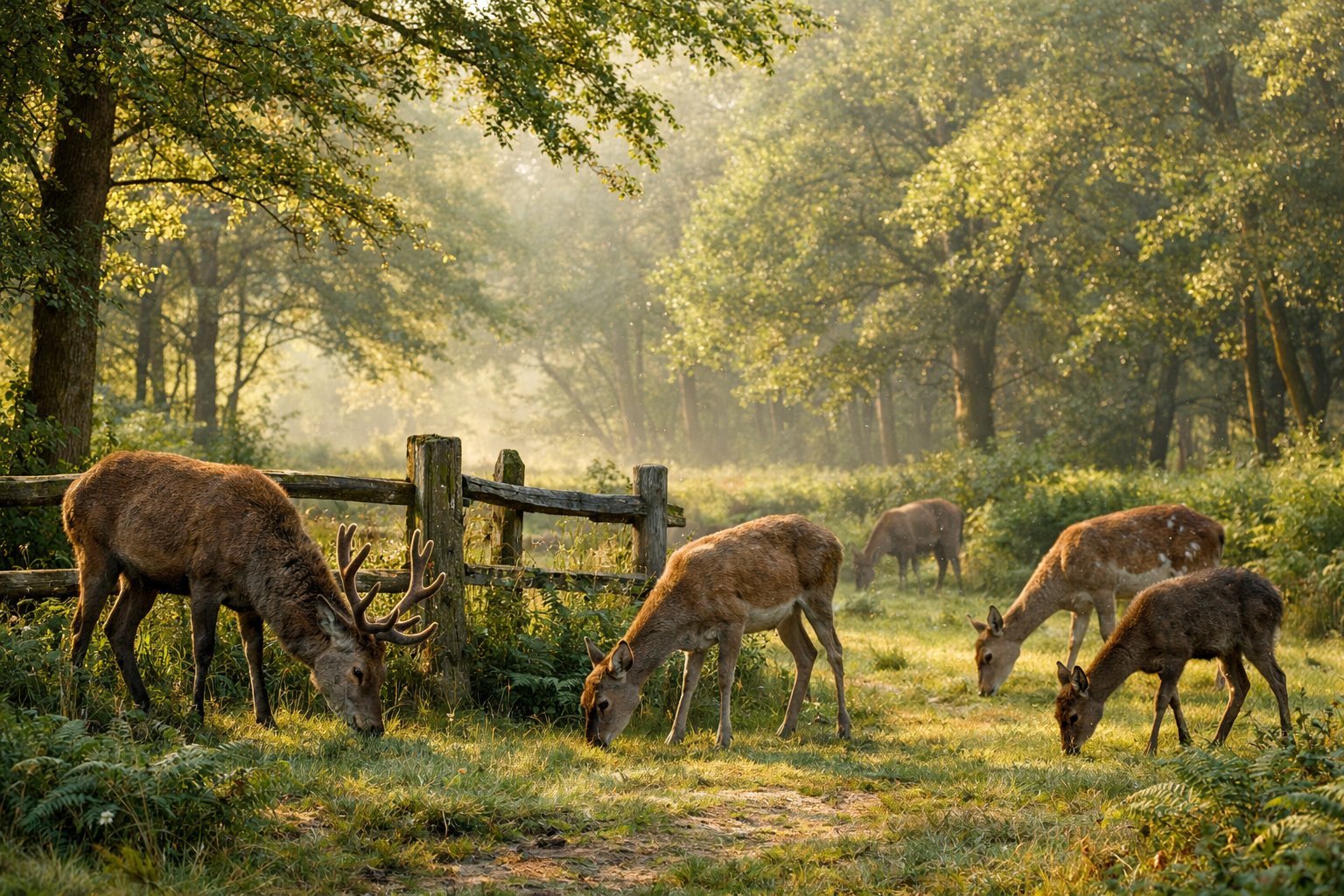
People often wonder why some call deer vermin, how their numbers keep rising, and what landowners or officials do about it. This article dives into the legal status, conservation worries, and practical steps taken on the ground so you can decide for yourself.
Are Deer Classed as Vermin in the UK?

Deer live wild in the UK, and the law treats them with specific rules. They’re not automatically called “vermin,” but some species can be controlled in certain situations.
Definition and Legal Status of Vermin
UK law doesn’t really pin down one definition for “vermin.”
Most people use the term for animals that damage property, spread disease, or cause trouble—think rats, mice, grey squirrels, rabbits, pigeons, and cockroaches. Local authorities often target these creatures with pest control.
Deer fall under wild mammal rules and get a different treatment. You can’t just call deer vermin because they cause damage. Their control depends on certain laws, landowner permission, and sometimes specific licences, not on a broad vermin label.
Deer Species and Their Legal Classifications
Britain has six main deer species: red, roe, fallow, sika, muntjac, and Chinese water deer.
Muntjac and Chinese water deer, which aren’t native, can be culled all year in some places. The others have close seasons that protect females and young.
The law treats deer as wild until someone kills or captures them. If deer damage crops or property, landowners or people they authorize can remove them, but only in certain ways. Always get written permission from the landowner before acting on private land. Since muntjac don’t have a close season, people find them easier to control than, say, roe deer.
Comparisons with Other Animals Considered Vermin
Rats—both brown and black—count as pests because they threaten health and buildings. Grey squirrels and pigeons also get treated as pests due to the damage they cause. Rabbits are managed mainly to protect farms. These animals face routine pest control without the seasonal protections that deer enjoy.
Deer stand apart. They’re bigger, wild, and covered by species-specific laws. You can’t just use traps or poisons like you would for rats—those methods are illegal and unsafe for deer. When geese or mink cause trouble, councils or wildlife groups act under different rules; you need to follow the right legal process before acting against large wild animals.
Role of the Wildlife and Countryside Act and Deer Act 1991
The Wildlife and Countryside Act 1981 protects many wild species and sets rules for releasing or controlling non-native animals. It doesn’t call deer vermin, but it does lay out protections that matter for managing wildlife.
The Deer Act 1991 spells out the main rules for deer. It bans certain methods like snares, sets close seasons for many species, and makes poaching illegal. Section 7 lets people cull deer out of season on farmland to stop serious damage, but only under strict conditions. You need to follow these laws and, if necessary, get licences from agencies like Natural England or NatureScot.
If you want more detail on legal seasons and management, check out this guide on Deer and the Law.
Deer Populations and Management in the UK

Deer numbers have climbed across Britain, which affects woods, farms, and even roads. Let’s look at why populations are rising, how they change habitats, and what managers actually do about it.
Why Deer Numbers Are Rising
Deer thrive because our landscapes and actions help them along. With fewer large predators, milder winters, and more woodland edge habitat, deer survive and breed more easily. Urban fringes, gardens, and parks also offer extra food and shelter, so deer wander into towns and suburbs.
Changes in land use play a role too. More woodland planting and less grazing mean extra cover and food. The British Deer Society and researchers like Dr Paul Dolman point out that there aren’t systematic national counts, so estimates vary. Still, most studies agree numbers have grown steadily since the 1970s. You’ll see this in more vehicle collisions and crop damage.
Impacts on Biodiversity and Ecosystems
High deer numbers can really change plant and animal communities. When deer browse heavily, they remove young trees and understory plants. That stops woods from regenerating and takes away shelter for species that need dense ground cover.
Forest soils and carbon storage also take a hit when ground flora disappears. The Forestry Commission and conservation groups warn that too much deer grazing reduces biodiversity. Local studies even link high deer numbers to fewer robins and other common birds because woodland structure becomes too simple.
Deer Management Approaches
Landowners, conservation groups, and agencies use different tools to manage deer. They might cull deer, put up fences to protect young trees, manage habitats to make them less attractive, and monitor populations with camera traps or surveys.
Some plans cover large landscapes to balance farming, forestry, and nature. The British Deer Society and the Deer Initiative encourage sharing data and best practices. There’s even talk of deer farming or coordinated culls to keep numbers in check with what habitats can handle. Most likely, you’ll see a mix of fencing, habitat tweaks, and population control where damage is worst.
Culling, Hunting, and Welfare Considerations
People usually control deer by shooting or selective culling, following strict welfare and legal rules.
You need to stick to laws like the Hunting Act 2004 where they apply.
Trained marksmen handle most of the work to keep things as humane as possible.
Welfare standards push for quick, clean kills and do their best to prevent unnecessary suffering.
Debate around this is lively.
Some folks argue for bringing back natural predators, while others lean toward contraception or just more hunting for venison.
But cost, logistics, and whether the public is on board can get in the way.
When you make management decisions, you’ve got to balance animal welfare, road safety, farm losses, and biodiversity targets.
- Key actors: British Deer Society, Forestry Commission, local landowners, and scientists like Dr Paul Dolman.
- Common goals: reduce crop and timber damage, lower road collisions, and allow woodland regeneration.
If you want to dig deeper into how woodlands and national forests handle this, check out the Forestry Commission’s work on managing deer in forests (https://www.forestryengland.uk/article/managing-deer-the-nations-forests).


