
When a deer gets scared, it reacts fast to protect itself. You might see it freeze, stamp a hoof, flash its white tail, snort, or bolt into cover.
These quick moves — freeze, alarm, and flight — help deer spot danger and get away before a predator can catch them.
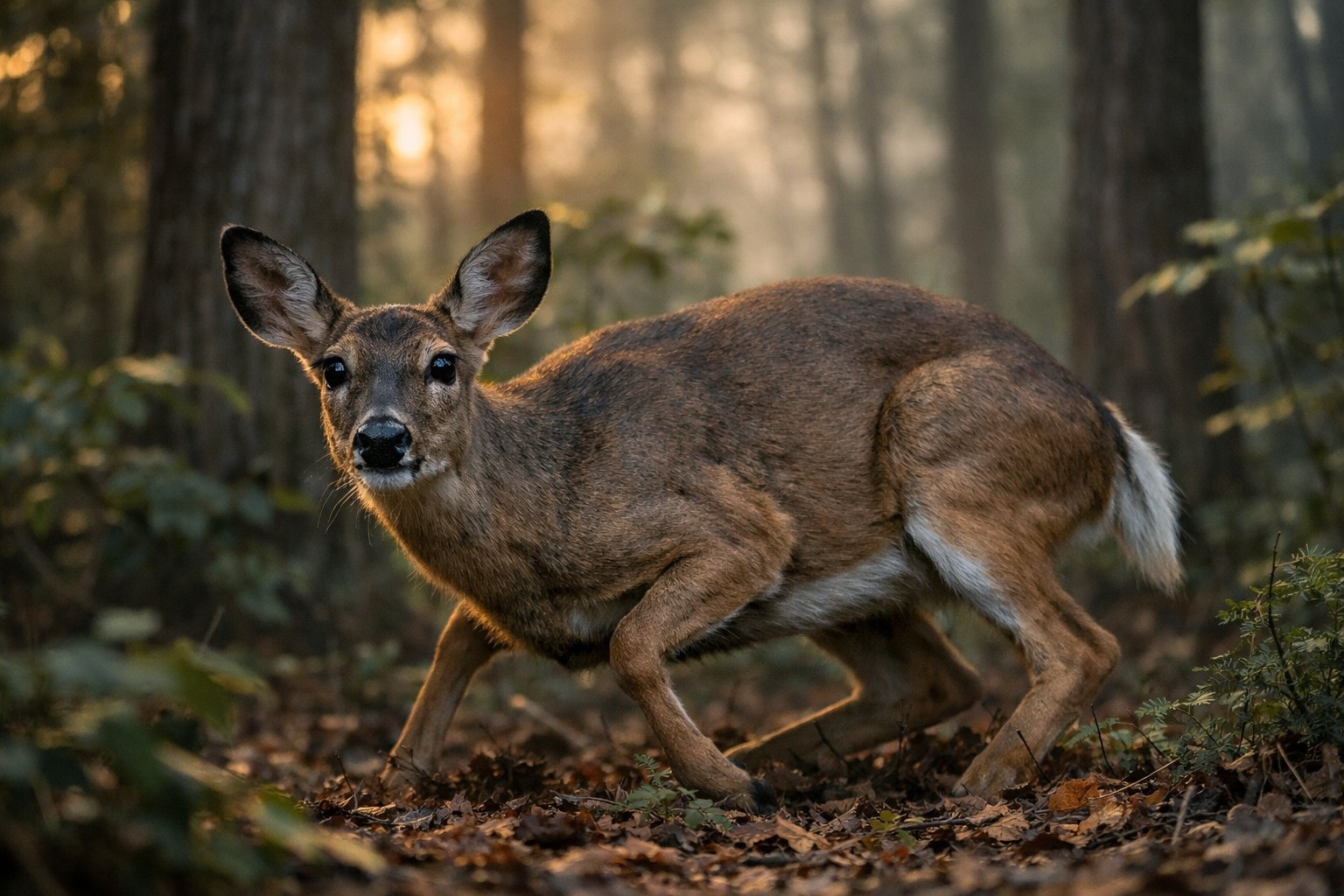
You’ll get a better sense of why deer pick certain reactions and which signs to look for if you spot them in the wild or even in your own backyard.
The next sections dig into the most common fear behaviors, what sets them off, and how age, habitat, and past experience shape each response.
Key Behaviors of Deer When Scared

When a deer senses trouble, it acts fast and clear to protect itself. You’ll notice stillness, sudden dashes, tail flashes, and sharp sounds — all clues to what’s going on in that deer’s mind.
Freezing and Assessment
A deer that freezes often stands perfectly still, ears out and nose lifted. Its muscles tense up, and it fixes its eyes on the threat.
This pause lets the deer use its senses to decide if it needs to run or if the danger will pass. Freezing also helps the deer blend into trees or tall grass.
If you’re watching, you might see the deer hold that pose for several seconds or even a minute. It’s sizing things up.
Try not to move suddenly. Even a small shift can push the deer into flight.
Flight Response and Escape Tactics
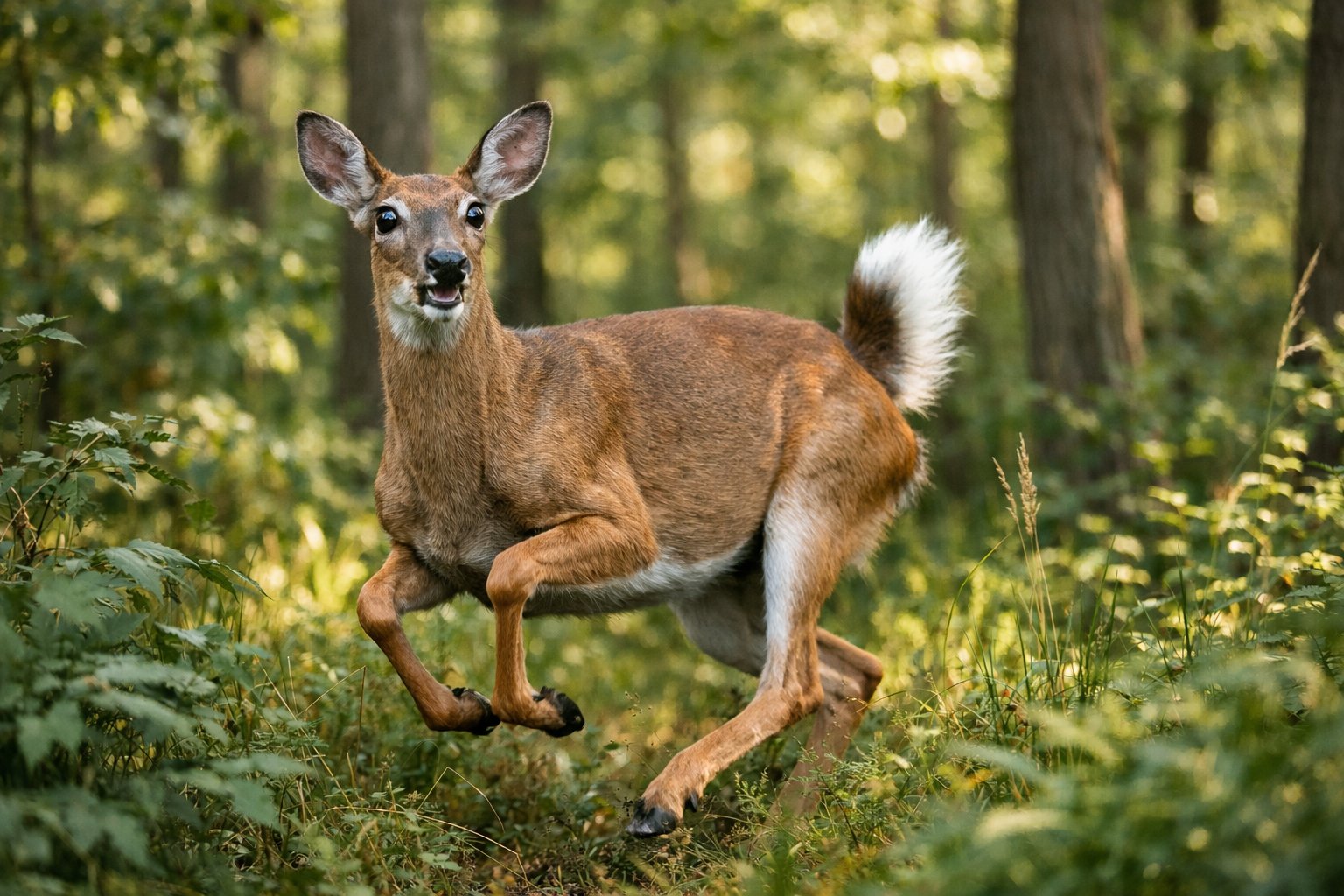
When a deer decides to bolt, it’ll either sprint in a straight line or leap in wild, bounding jumps — people call this stotting. Those strong hind legs launch it up and over brush in a blink.
Deer move fast, covering ground and dodging obstacles with ease. They often pick escape routes that give them cover or quick turns, like dense brush or tree lines.
If you’re close to a deer, move slowly and keep the wind in your face. Always give the animal a way out.
Tail Flagging and Visual Alarm Signals
Tail flagging stands out as a warning. A scared deer will often raise its white tail and show a flash as it moves off.
You’ll spot the tail high in the air when the deer runs, or sometimes just as a warning to others nearby. That white flag signals real danger and can set off a chain reaction in the herd.
Other signals include raised hair and a stiff-legged stance before running. In a group, one deer’s tail flagging can make the rest bunch together and get ready to flee.
If you watch for these signs, you’ll start to read how worried the deer actually is.
Vocalizations and Warning Sounds
Deer make sharp, quick sounds to warn others. You might hear a snort, a loud blowing noise, or even a high-pitched bark from a fawn or doe.
They create these noises by forcing air through their nostrils or mouth. Sometimes, a deer stomps its hoof before making a sound — that adds a ground-level warning.
These signals tell nearby deer to freeze or run. If you hear them, nearby deer will likely react fast and disappear.
Factors Influencing the Deer Fear Response
Let’s look at what makes a deer freeze, run, or even come back after being startled. The main factors? Cover, time of year, past experience, and whether the area feels safe or has good food.
Environmental and Seasonal Impact
Thick cover makes deer more likely to stay put or sneak away slowly. Dense brush, tall grass, and nearby trees give them hiding spots and short escape routes.
In wide open fields, deer usually run fast because they don’t have much to hide behind. Season plays a part, too.
During winter, deer take more risks to find food, so they might let people get a bit closer. In fawning season, does act extra defensive and may either hide fawns or lead you away.
Dawn and dusk make deer more alert since predators are on the move then. Human activity changes things as well.
Regular, nonthreatening noise can make deer get used to people, while sudden loud sounds keep them jumpy. Where hunters are around, deer react faster and keep their distance from trails.
Individual Personality and Experiences
Some deer just act bolder than others. Age and sex matter: yearlings usually seem jumpy, while older does and big bucks may act more cautious.
Bucks in hunted areas get especially wary and change their habits. Past run-ins teach deer what to avoid.
If a deer has survived predators or humans, it learns to link certain sounds, smells, or places with danger. On the flip side, deer that see people every day without trouble can get used to it and may return sooner.
Health plays a role, too. A thin deer with little fat will risk more to get food, so it might come back to a feeding spot even after being spooked if the food’s worth it.
Likelihood of Deer Returning After Being Spooked
When food or cover nearby looks good, deer usually come back. You’ll boost their chances of returning if you avoid fast movements, loud noises, or leaving too much human scent around feeding or bedding spots.
Deer get used to harmless human activity faster than you might think. In parks or suburban areas, where people move around in predictable ways, some deer just shrug it off and start feeding again within hours—or maybe a day or two. But if you’re in a hunted area, especially with bucks, you might wait weeks. Sometimes, they don’t come back at all.
You can spot signs that a deer might return. Look for bedding areas close by, fresh tracks, or new droppings. If you want them back, keep things calm, avoid sudden changes, and make sure their escape routes stay clear so they feel safe enough to return.


