
You probably know a few casual names like “buck” and “doe,” but deer slang goes way beyond those basics. The most common slang you’ll run into includes words like buck, doe, fawn, rack, and baldies — plus all sorts of playful nicknames hunters toss around.
This piece digs into how people actually use those words in conversation and hunting talk. Next time someone mentions deer, you’ll spot the slang in a heartbeat.
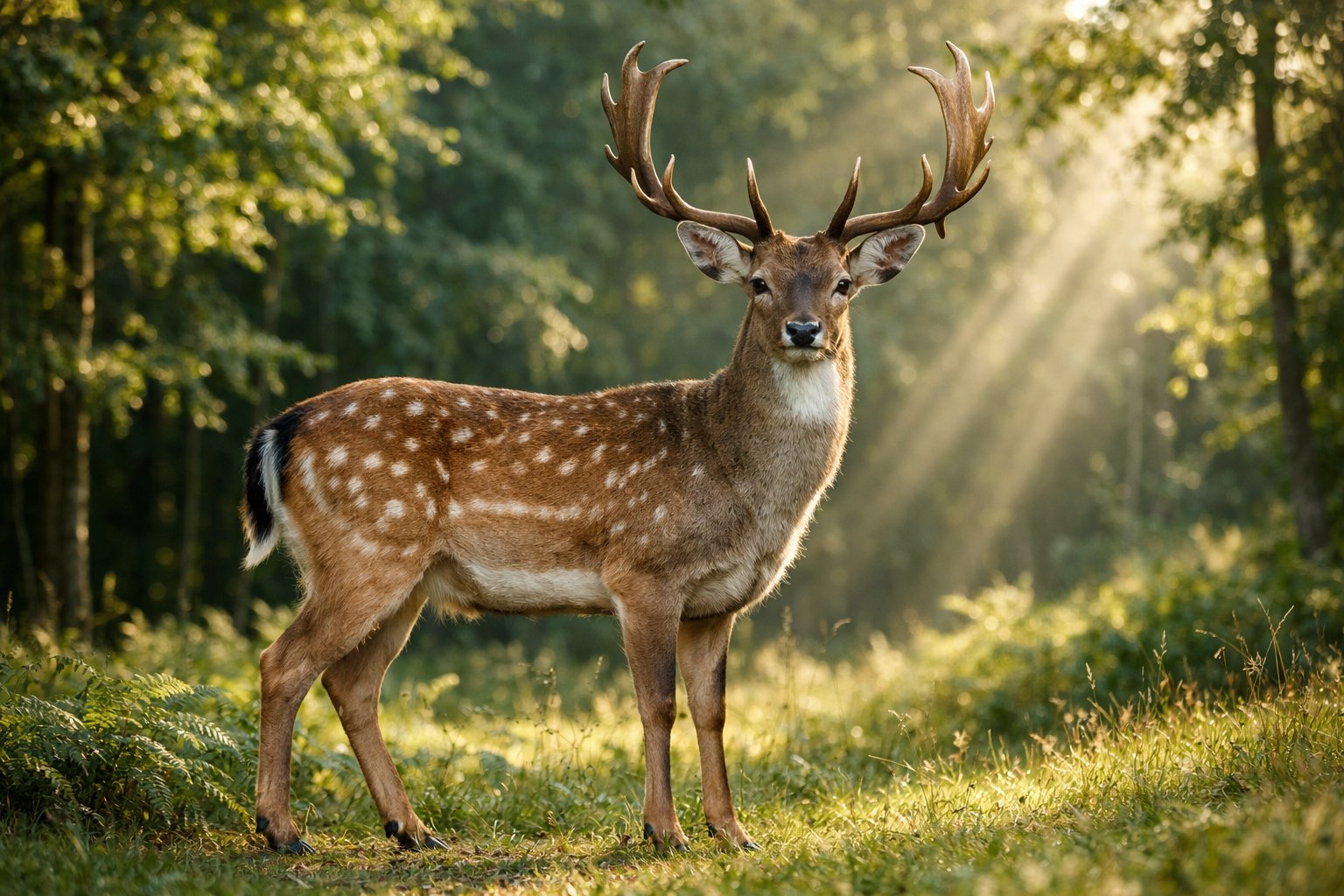
Some names focus on age or sex, while others describe antlers or behavior. Hunting culture adds its own colorful spin.
Let’s pick up some handy slang so wildlife talk feels a bit more natural instead of confusing.
Popular Slang Names and Nicknames for Deer

Hunters, local habits, and the animal’s looks all inspire deer nicknames. You’ll see hunting slang, playful nicknames, and words that mark age or sex.
Common Slang Terms Used by Hunters
Hunters usually keep it quick and clear in the field. They call a male a “buck” and a female a “doe.”
“Fawn” means a young deer, and you might hear “stag” or “hind” in certain regions or older books.
Species-based slang pops up too. For example, folks shorten mule deer (Odocoileus hemionus) to “mulies.”
Whitetail hunters just say “whitetail” or “white-tailed deer” when chatting.
Hunters also use practical terms for gear or events. “BBD” stands for Big Buck Down, and “rack” just means antlers.
These words help you share a sighting with your group fast.
Famous and Creative Deer Nicknames
You’ll catch all sorts of colorful nicknames for hit-list bucks or local legends. “Old Long Nose” or “Pretzel Head” usually come from a deer’s face or weird antlers.
Those stick because you can picture the animal right away.
Camp nicknames get even flashier. “Quarter Pounder” or “Swamp Donkey” hint at size or where you saw the deer.
Hunters sometimes use group names like “Pumpkin Patch” for a bunch of deer in one spot.
These nicknames help you tell stories about certain deer across seasons.
If you track deer on trail cameras, you might name a buck to match a photo. It keeps your notes straight and your buddies interested.
Gender-Specific and Age-Based Slang
Different terms matter when you’re talking sex or age. Adult males are “buck” or sometimes “stag.” Adult females go by “doe” or “hind.”
Younger deer? That’s a “fawn.” These words matter for hunting rules and breeding talk.
When antlers are shedding or growing, hunters say “baldies” or “velvet.” “Resident bucks” means males that stick to one area, which helps when planning hunts.
In some places, “hart” means an older male. You’ll see that in old hunting stories or local lists.
Knowing these terms helps you read trail-camera data and talk clearly about the deer you spot.
Deer Slang in Hunting and Culture
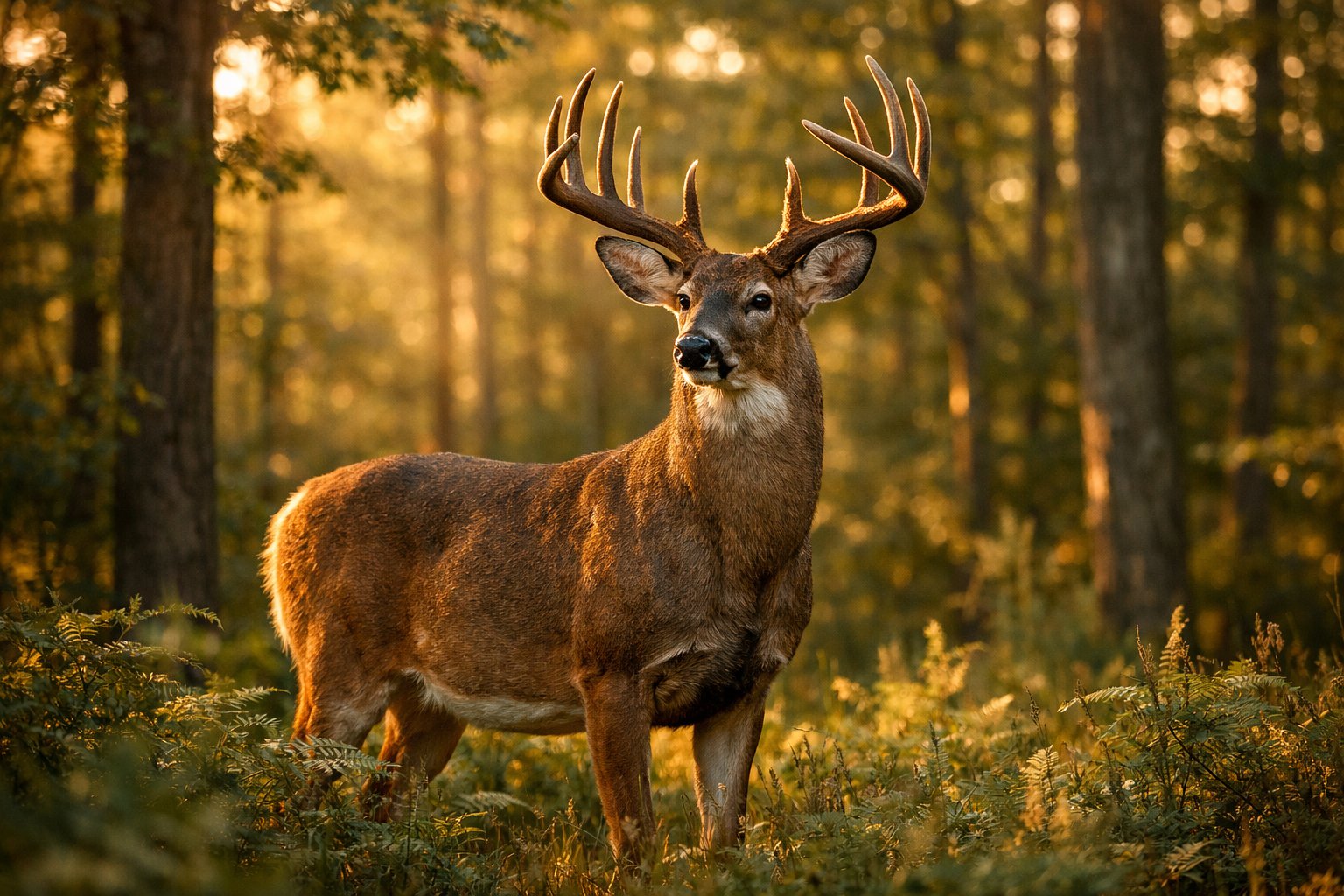
Deer slang mixes up hunting gear, animal parts, and playful nicknames. You’ll spot terms about antlers, hunting style, camera work, and how deer act during the rut.
Unique Phrases and Expressions in the Field
Hunters use short words so teammates catch on fast. Someone might call a bow an “axe,” or say “stick-n-string” for a traditional bow.
“String music” describes the sound of an arrow flying. These terms matter when you need to keep things quiet and move quickly.
Antler slang shows status. A “rack” is just antlers, but a “wall hanger” means a trophy mount you’d hang up.
“Velvet” tells you the antlers are still growing with soft skin. After winter, “shed hunting” means looking for dropped antlers, or “sheds.”
Some words describe deer types. “Baldies” or “slick heads” mean bucks without antlers. A “mount” is an animal you’ve preserved after a big hunt.
This lingo helps you talk about gear, animal condition, and trophy goals without confusion.
Modern Usage in Pop Culture and Online
Online hunting talk mixes old words with memes and camera tech. Trail camera posts spark “SD card envy” when someone’s card shows a monster buck.
Hunters tag photos with rack shots, velvet close-ups, or “BBD” (big buck down) in forums.
You’ll see slang on sites like Urban Thesaurus and hunting blogs.
Social media shortens phrases into jokes and trends. “Run-n-gun” hunting pops up in fast-moving video clips.
People joke about “chronic phone display-aphilia” when hunters post every kill. Even archery influencers call a bow an “axe” in captions.
These quick tags help you scroll through posts and know what’s up right away.
Some terms have drifted into pop culture. “Deer in headlights” still gets used for surprise.
Other slang—like “trash” for low-quality meat or “snort” for a deer alarm—shows up in clips and comments online.
That keeps hunting talk lively and easy to follow.
Animal Metaphors and Descriptions
Hunters and wildlife fans love tossing around metaphors to describe how deer act and what they’re like. “The rut” basically sums up the wild breeding season—bucks chase after does and get into antler fights.
People often mention “antlers” or call them a “rack” to size up a buck’s age and how dominant he is. If a buck’s rack is especially big, someone might jokingly call him a “swamp donkey” or a “quarter pounder.”
Some of the slang just gets straight to the point. When folks say “deer in headlights,” they mean an animal frozen in surprise. If you call a deer “naive” or “gullible,” you’re talking about one that doesn’t spook easily.
Sometimes you’ll hear that a deer “flags” its tail or “snorts” to warn other deer. Those little moves can tip you off about what they’ll do next.
People use all kinds of tools to get in on the action. Trail cameras and shed hunting help you spot antlers and check out different racks.
If you’re hunting with a bow, your “axe” and even the sound it makes during velvet season can change your luck. These phrases just make it easier to talk about deer behavior, gear, and what’s coming up when you’re out there.


