
Most folks already know the short answer: deer meat is called venison. Venison mainly means the meat of deer and similar game, and you’ll hear chefs and hunters use it when they talk about cuts, cooking, and flavor.
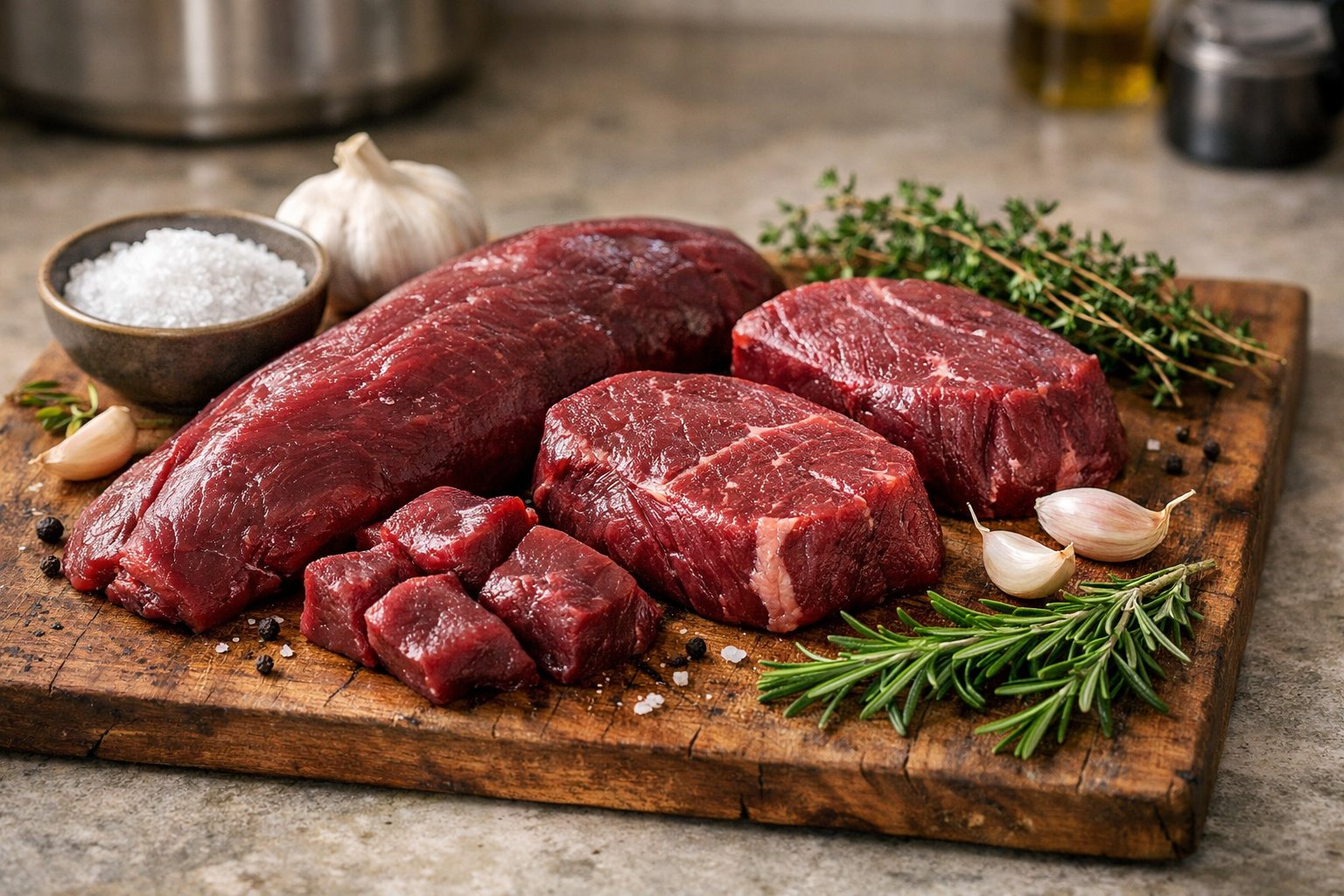
Thinking about cooking it, hunting it, or just wanting to sound like you know your stuff about game meat? This article will help you see what makes venison different from beef.
You’ll get a sense of its taste, nutrition, and how people use it in recipes.
Stick around for some practical tips on buying, preparing, and enjoying venison. You might find your next meal or conversation about deer meat feels a little more relaxed.
What Is Deer Meat Called?

Let’s get into the common name for deer meat, where it comes from, and which deer species people usually eat.
Below, you’ll find some history, the types of deer folks use, and why the term “venison” stuck around.
The Origin of the Word Venison
Venison comes from the Latin word “venari,” meaning “to hunt.” The word moved into Old French, then into English after the Norman Conquest.
Norman French changed a lot of food terms in English. In medieval England, venison actually meant meat from any hunted animal, not just deer.
Eventually, the meaning narrowed. By the 1500s, English speakers mostly used venison for deer meat.
You might see “cervena” in old recipes, which also means deer meat. Even now, venison carries a bit of that hunting history in its name.
Deer Species Commonly Used for Venison
Most venison you’ll find comes from white-tailed deer, red deer, and mule deer. Hunters and suppliers also use elk and moose for bigger cuts.
Farms might raise fallow deer, axis deer, or sika deer for venison too. Each species tastes a bit different and has its own texture.
- White-tailed deer: common in North America, mild flavor.
- Mule deer: leaner, with a stronger taste.
- Red deer: found in Europe, richer flavor, great for steaks.
- Elk and moose: big, beef-like cuts, good for roasts.
- Fallow and axis deer: often farmed, steady supply.
Knowing the species helps you pick the right cut and cooking method for your meal.
Why Is Deer Meat Specifically Called Venison?
The word stuck for a couple reasons. Venison started out as a term for any hunted game, and deer were a prized catch.
Cultural taste played a part too. In medieval Europe, nobles loved hunting deer and eating venison at big feasts.
Language mattered. After 1066, Norman French brought a lot of food words into English.
Cooks and butchers kept using “venison” for deer meat, so it never really faded. Now, venison means deer meat, though sometimes you’ll see it used for other game in old texts.
Venison: Characteristics, Nutrition, and Culinary Uses

Venison is lean, high in protein, and has a firm texture with a clear, earthy flavor.
You can cook it like beef in many recipes, but it needs less fat and usually does better with either quick cooking or long, slow braises.
Flavor and Texture of Venison
Venison tastes clean, a little sweet, and sometimes a bit gamey depending on what the animal ate and how old it was. Wild venison from white-tailed deer tends to taste earthier than farmed deer.
Young deer give you milder meat, while older animals have a stronger flavor.
The texture feels firmer and leaner than beef. Loin and tenderloin cook fast and stay tender if you don’t overdo it.
Shoulder, shank, and brisket need slow cooking or braising to soften them up. Ground venison works well for burgers and meatloaf, but it’s better if you mix in some pork or beef fat for juiciness.
Aging venison a few days can help with tenderness and flavor. If you overcook it, you’ll lose moisture fast, so try for medium-rare to medium on steaks.
Short sears work for loins, while stew and roast cuts do best with plenty of liquid and low heat.
Nutritional Benefits of Venison
Venison is low in fat and high in protein. Usually, it has less fat than lean beef.
A typical venison roast has about 20% protein and barely any fat by weight. That makes it a good pick if you want high protein but fewer calories.
It’s got iron and B vitamins, which help with energy and blood health. You’ll find some healthy fatty acids like conjugated linoleic acid (CLA) in small amounts.
Wild venison can be even leaner than farmed deer, and its nutrients might vary a bit.
If you’re watching cholesterol or calories, venison works well. Just know that if you mix ground venison with pork or beef fat, you’ll bump up the calories and fat.
Pregnant folks or anyone with dietary restrictions should follow food-safety guidelines for cooking and sourcing.
Sourcing and Preparing Venison
You can get venison from hunters, farms, specialty butchers, or some markets. If you’re using wild venison, check for chronic wasting disease (CWD) in your area and follow local testing rules.
Don’t eat meat from animals that test positive.
Trim off any visible fat and silver skin, and chill the meat quickly after harvest. Field dressing and fast cooling help keep wild venison safe.
Thaw frozen venison in the fridge, then pat it dry before seasoning.
Marinating venison helps tenderize and add moisture. Use acidic marinades like vinegar, citrus, or wine for anywhere from 2 to 12 hours, depending on the cut.
For ground venison, mix in fat or breadcrumbs to keep it juicy for burgers. Aging or hanging whole-muscle cuts makes them more tender, too.
Popular Venison Dishes and Cooking Tips
Venison roast and stew really shine with slow, moist cooking. Start by browning the meat, then braise it with vegetables, stock, and herbs.
Shoulder or shank cuts turn out especially well with this method. For steaks and loin, I like to sear them hot and finish to medium-rare.
Let those steaks rest for about 5–10 minutes before slicing—trust me, it makes a difference. Ground venison brings a ton of flavor to burgers, but it can get dry.
Mix in some pork fat or beef, season generously, and cook to at least 160°F if you like them well done. There’s plenty you can try with venison recipes—chili, shepherd’s pie, or kebabs are all great ways to use ground or cubed meat.
I recommend bold herbs and acids like rosemary, juniper, red wine, or balsamic to balance out the gamey flavors. If you want a beef substitute, swap in venison for many dishes, but don’t forget to add a bit of fat or moisture so you get that satisfying texture.


