
You can enjoy deer meat and still eat healthily, but you really need to know the facts. Venison is usually leaner and lower in calories than beef or pork, but it can bring some risks if you don’t handle or cook it the right way.
Deer meat isn’t automatically unhealthy — if you source, process, and cook it properly, it’s actually a nutritious choice. But unsafe handling or undercooking? That’s where the real health risks show up.
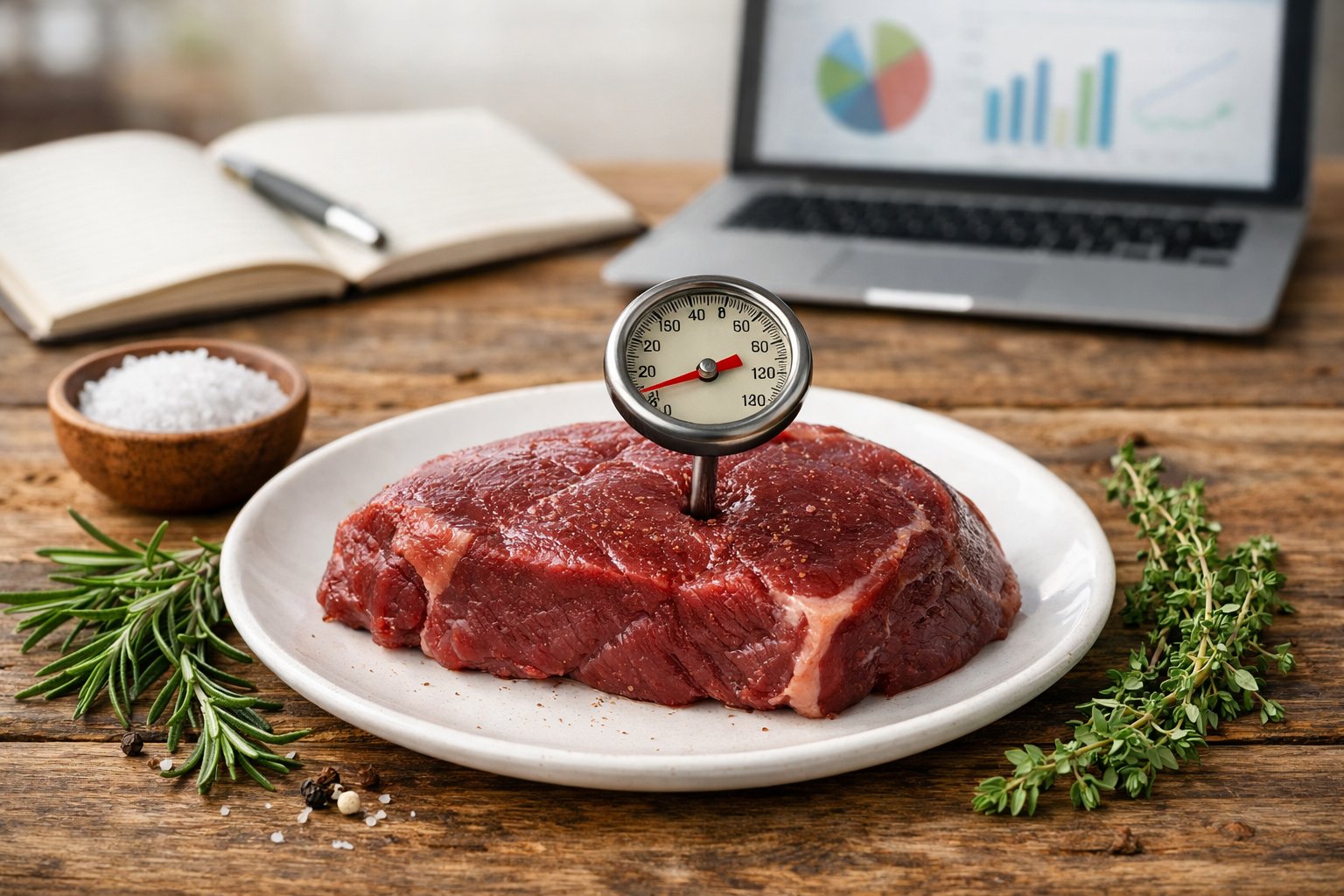
Let’s dig into how venison stacks up against other meats, what risks are lurking, and a few simple steps to keep it safe and tasty.
How Healthy Is Deer Meat Compared to Other Meats?

Deer meat gives you lean, high-quality protein with fewer calories and less saturated fat than a lot of farmed red meats. It also brings iron and B vitamins at levels similar to, or even higher than, beef. If deer eat natural forage, you get a better fatty-acid profile too.
Nutritional Profile of Venison
Venison is a nutrient-dense red meat and it’s way leaner than most beef or pork. A 3-ounce cooked serving usually has about 120–160 calories and only 2–4 grams of fat, depending on the cut and how much fat you trim off.
That’s a good option if you want lower calorie, lower fat red meat. You get plenty of protein per serving — usually around 22–30 grams — so venison supports muscle repair and your daily protein needs.
Compared to most commercial beef cuts, venison has less saturated fat and fewer calories. Wild-caught venison also tends to have fewer additives or growth-promoter residues than farmed animals.
Lean Protein and Amino Acids
Venison gives you high-quality protein with all nine essential amino acids you need. It’s right up there with beef and chicken for building and repairing tissues.
Ground venison or steak both provide a complete amino-acid profile, which is great for workouts, recovery, and just daily maintenance. Because it’s lean, you get the same protein with fewer calories and less fat.
If you trim off visible fat and skip fatty sauces, you keep the meal even lower in saturated fat. For folks watching their weight or cholesterol, venison is a practical red-meat choice that still delivers solid protein.
Iron, B Vitamins, and Phosphorus
Venison is rich in heme iron, which your body absorbs more easily than plant iron. That helps prevent iron-deficiency anemia, especially for active folks and women of childbearing age.
A single serving can give you a big chunk of your daily iron needs. The meat also brings B vitamins — especially B12, B6, and niacin — which support energy use and your nervous system.
Phosphorus levels run high too, which helps your bones and cell function. If you want nutrient-dense red meat that’s more than just protein, venison is a solid pick.
Omega-3 Fatty Acids and Cholesterol Levels
Wild deer that eat grasses and plants tend to have a better omega-3 to omega-6 ratio than grain-fed beef. That means venison can offer modest amounts of omega-3s that may help lower inflammation compared to some farmed red meats.
The exact levels can vary depending on the deer’s habitat and what it eats. Cholesterol in venison is similar to other red meats, but the lower saturated fat often leads to a more heart-friendly profile if you keep the preparation simple.
If you’re concerned about heart health, pick lean cuts, don’t add extra fats when cooking, and pair venison with veggies and whole grains to keep saturated fat low.
Potential Health Risks of Eating Deer Meat
Deer meat can be nutritious, but it brings a few specific risks you should know about. Pay attention to disease testing, how you harvest the animal, and how you handle and cook the meat.
Chronic Wasting Disease and Prion Concerns
Chronic Wasting Disease (CWD) is a prion disease that hits deer, elk, and moose. Prions are abnormal proteins that damage the brain and nervous system of infected animals.
Scientists haven’t confirmed CWD transmission to humans, but health agencies still recommend caution. After all, other prion diseases, like mad cow disease, have jumped species before.
If you hunt in a CWD area, get your deer tested before eating it. Don’t eat brain, spinal cord, eyes, spleen, tonsils, or lymph nodes — prions concentrate there.
Wear gloves when field dressing and try to avoid contact with central nervous system tissues. Check your local wildlife agency for CWD guidelines and affected zones to lower your risk.
Lead Contamination and Safe Ammunition Use
Lead fragments from bullets can stay in venison and cause lead exposure if you eat the meat. Lead tends to concentrate near the wound channel and in small bits you might not even see.
Repeated exposure can raise the risk of lead poisoning, which affects the nervous system and is especially dangerous for kids and pregnant people. Use non-lead ammo (like copper or alloy) to avoid this risk.
If you do use lead bullets, trim away meat around the wound channel generously and toss any meat with visible fragments. When processing, collect and dispose of gut piles and fragments properly to cut down on environmental lead and wildlife exposure.
Foodborne Illnesses and Bacterial Contamination
Bacteria like E. coli, Salmonella, and Clostridium species can contaminate venison during field dressing, transport, or processing. You can’t tell if meat is contaminated by smell or sight alone.
Symptoms of bacterial foodborne illness include nausea, vomiting, diarrhea, fever, and stomach pain. These often start within hours to days after eating.
Cool the carcass quickly after harvest and keep meat below 40°F (4°C) during transport and storage. Use clean, sanitized knives and surfaces when butchering.
Ground venison is riskier because it mixes surface bacteria into the inside; cook ground mixes to 160°F (71°C). If meat feels slimy, smells sour, or was left warm too long, it’s safer to toss it than risk getting sick.
Parasites and Undercooked Venison
Wild deer can carry parasites like Trichinella, Toxoplasma gondii, and different tapeworms. Trichinosis and toxoplasmosis happen if you eat raw or undercooked meat with larvae or cysts.
Symptoms vary — muscle pain and fever for trichinosis, or flu-like signs for toxoplasmosis. Some infections can get serious, especially if your immune system is weak.
To kill parasites, cook whole cuts of venison to at least 145°F (63°C) and let them rest for three minutes. For ground venison, hit 160°F (71°C).
Freezing might kill some parasites, but not all species, and it doesn’t work for CWD prions. Don’t eat raw venison dishes like tartare or undercooked steaks if you’re not sure about the meat’s source or handling.
Safe Sourcing, Handling, and Cooking Tips
Get your venison from hunters or processors you trust—folks who actually follow proper testing and hygiene rules. It’s worth asking if they tested the deer for CWD or used non-lead ammo.
If you hunt, dress the deer out in the field as soon as possible. Keep the carcass cold, and try not to puncture the gut—nobody wants extra bacteria spreading around.
A few simple steps can make a big difference:
- Always wear gloves when you’re field dressing, then wash your hands and tools when you’re done.
- Chill the carcass below 40°F (4°C) within just a few hours.
- Use different cutting boards for venison, and don’t forget to sanitize your gear.
- Cut away tissue around bullet wounds, and steer clear of organs or anything from the central nervous system.
- Cook ground meat to 160°F (71°C). For whole cuts, aim for 145°F (63°C) and let it rest for three minutes.
If you’re in a CWD area, consider getting your venison tested. Non-lead ammo is a good idea too—no one needs extra lead.
Taking these steps helps you avoid trouble from CWD, lead, bacteria, and parasites. Plus, your venison ends up tasting better.


