
Ever spot a deer in your yard or out in a field and wonder what it’s hoping to find? Deer act like true opportunists. They go for high-energy, easy snacks—think acorns, corn, and anything tender and green.
Acorns and other nuts top their list because these foods pack in the calories deer need to fatten up for winter.
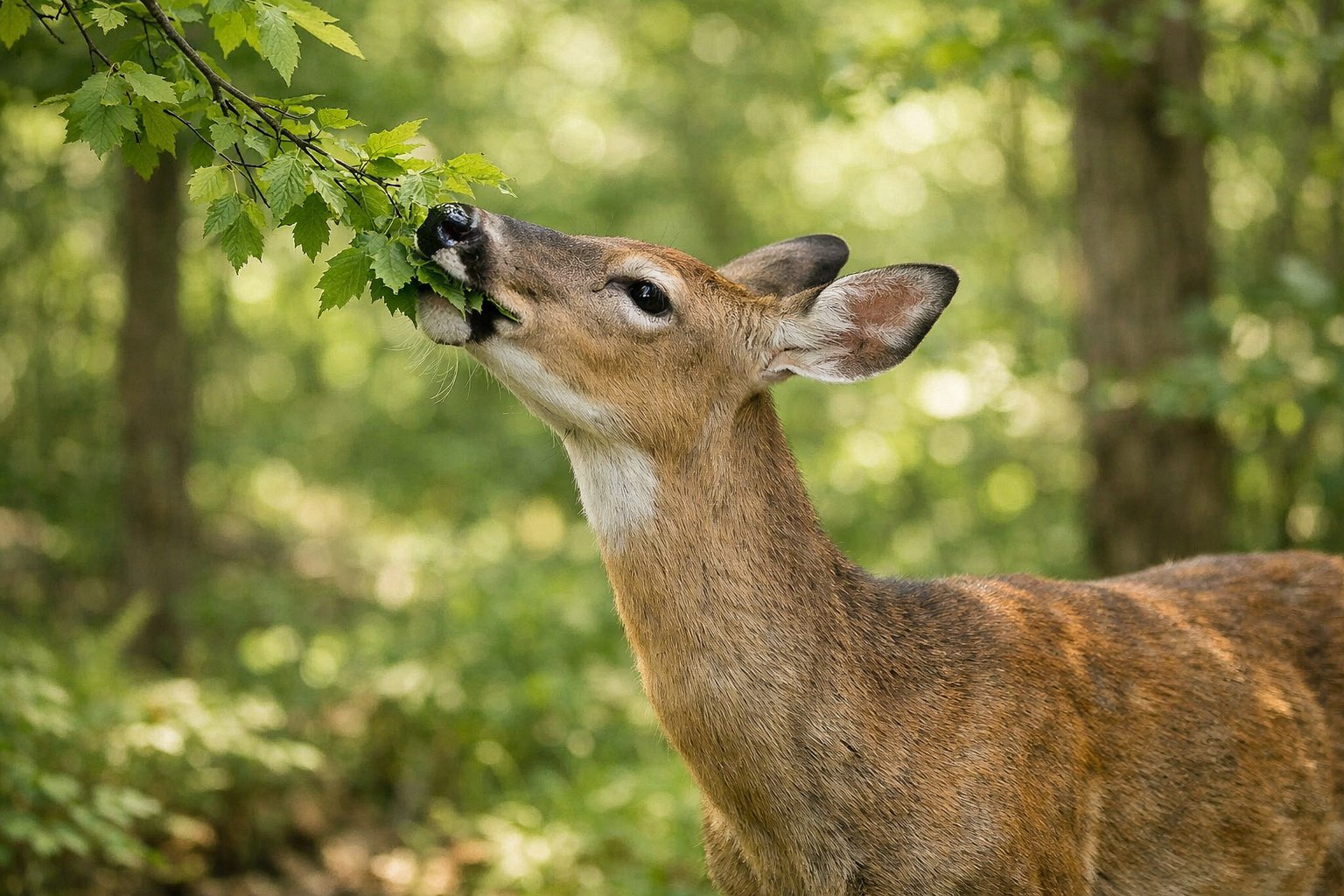
As you read on, you’ll see how deer switch up their favorites depending on the season and where they live. That could help you keep your garden safe, pick plants for wildlife, or just figure out where deer might show up next.
Deer’s Favorite Foods Explained

Deer look for foods that give them energy, protein, and water. You’ll find out which nuts, fruits, grains, and greens deer chase after, and why those picks matter for both their survival and your land or garden.
Acorns and Other Nuts
In autumn, deer really go for acorns because they’re loaded with fats and carbs. That helps deer build up those winter reserves.
You’ll notice deer prefer white oak acorns over red oak ones since white oak nuts taste less bitter. They have less tannin, so deer munch them first. Hickory nuts, beechnuts, and chestnuts also tempt deer when they’re around. Sometimes you’ll catch deer pawing through leaves just to find them.
Oak trees with plenty of fallen acorns become hot spots for deer. When there’s a heavy acorn crop, deer will actually change their movement patterns—sometimes for miles. In spring, deer nibble on soft, new oak leaves and shoots since they’re packed with protein.
Apples, Pears, and Sweet Fruits
Sweet fruits like apples, pears, persimmons, and crabapples are like candy for deer, especially in late summer and fall. If you’ve got wild apple trees or old orchards nearby, deer will swing by to eat whatever’s on the ground or within reach.
Persimmons get even more appealing after the first frost softens them up. Berries—blackberries, raspberries, wild grapes—offer quick sugars and moisture during summer. Deer eat both the fruit and the soft, new shoots of these plants.
If you leave pumpkins or other leftover garden fruits out after harvest, deer will find them. No doubt about it.
Corn, Soybeans, and Farm Crops
Corn and soybeans pull deer into farm fields, mostly at night. Corn gives them dense carbs, and deer will eat it from the time it’s just sprouting until it’s fully grown.
Soybeans offer protein, which bucks use for antler growth and does need for milk. Small grains like wheat, oats, and rye, plus cover crops like buckwheat and sorghum, catch deer’s attention when they’re young and tender.
Deer love young growth because it’s easier to digest. You’ll often see deer feeding along field edges, sneaking out from the woods to grab a bite of these high-calorie crops.
Clover, Alfalfa, and Nutritious Greens
Legumes like clover and alfalfa give deer the protein and nutrients they need while growing or nursing fawns. White clover is common in food plots because it grows back fast after grazing and stays tasty through summer and fall.
Alfalfa fields can become real deer magnets, especially for does. Forbs and brassicas (those young leafy plants) give deer protein and minerals too.
Deer browse tender forbs and young oak leaves in spring. That helps them bounce back from winter and supports growing fawns. Mixing clover, alfalfa, and forbs gives deer steady nutrition all year.
How Season, Habitat, and Deer Species Influence Favorite Foods
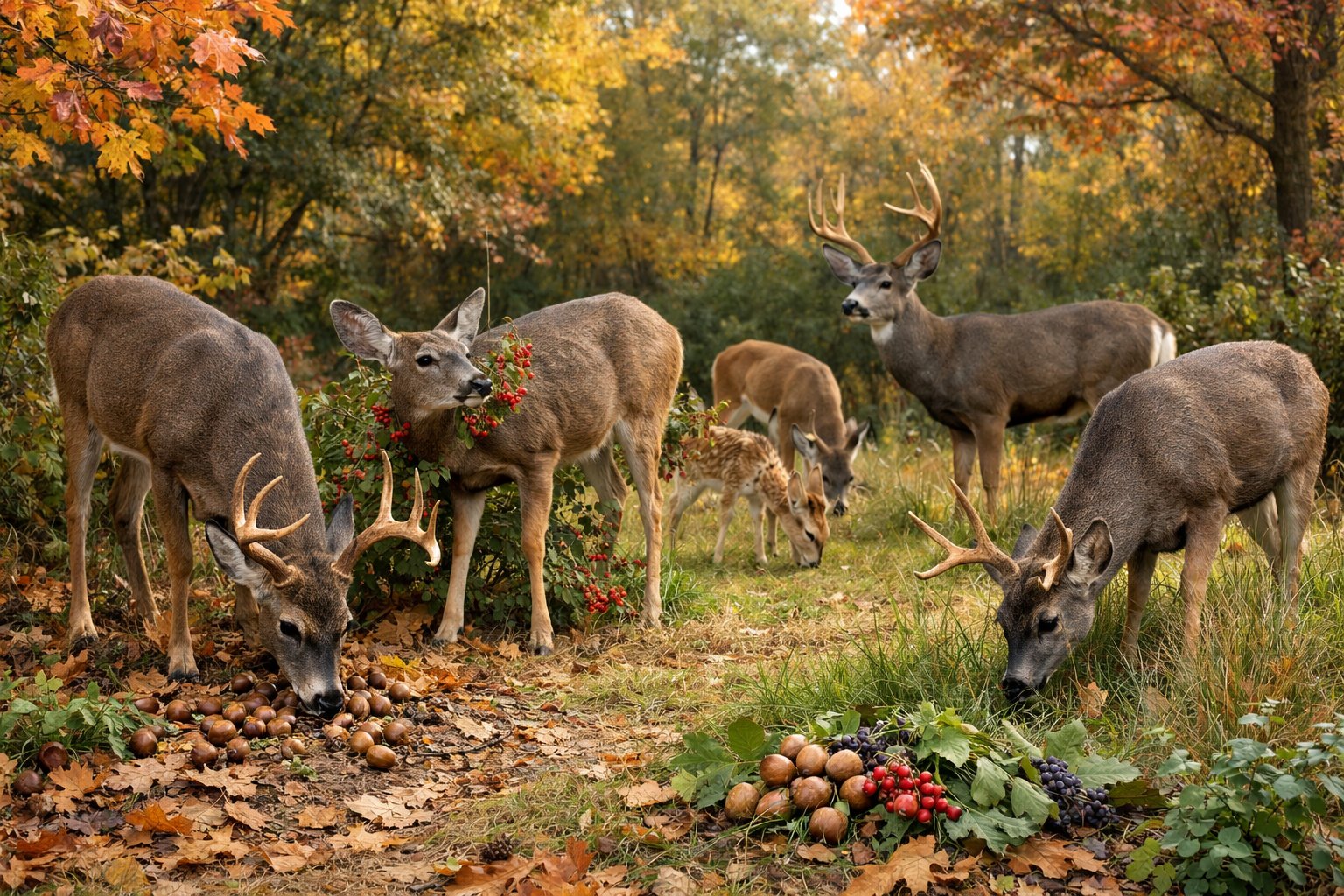
Deer don’t eat the same thing all year. Their diets shift with the seasons, the habitat, and even the species of deer. You’ll notice them munching on green plants in spring, then switching to woody stuff and mast in fall and winter.
Seasonal Changes in Deer Diet
In spring and summer, deer focus on high-protein plants. You’ll often catch them eating soft leaves, clover, dandelions, and forbs like daylilies and hostas if they can get them.
Bucks need extra protein for antlers, and does need it for fawns and milk. When late summer and fall roll around, deer start looking for energy-rich foods. Soft mast—like wild grapes and apples—and hard mast (acorns, hickory nuts) become essentials.
You might see deer feeding in corn or soybean fields as soon as those crops ripen. In winter, deer turn to woody plants. They nibble on twigs and buds from maple, dogwood, sumac, ash, willow, and shrubs like honeysuckle.
When snow gets deep, they rely on cedar, arborvitae, hemlock, and even low-quality stuff like pine needles or lichen.
Regional and Habitat Preferences
Location really does matter. In the Southeast, deer might eat greenbrier, holly, and kudzu. In the Northeast and Midwest, white oak acorns, maple leaves, and apples are big favorites.
Out West, mule deer go for sagebrush and bitterbrush when there’s not much mast around. Forest edges and mixed habitats offer the most variety.
You’ll spot more forbs and soft mast there, which helps fawns survive and bucks grow antlers. Farms provide cereal grains, corn, and beets—foods that lure deer but can cause headaches for farmers.
Deer don’t ignore yards and gardens either. They’ll eat tomatoes, impatiens, rhododendron, azalea, and daylilies. If deer are common in your area, you might want to protect vulnerable plants like hostas and veggies.
Differences Between Deer Species
White-tailed deer can adapt to all sorts of habitats. They switch up their diets with the seasons, which honestly makes sense if you think about it.
They’ll munch on browse, forbs, and mast. If you leave out garden vegetables or cereal grains, don’t be surprised if they help themselves. Their four-chambered stomach really lets them handle a wild variety of plants.
Mule deer live out in western rangelands and stick to more shrubs like sagebrush and bitterbrush. They don’t care as much for hard mast.
Red deer, which live in Europe and parts of Asia, eat whatever’s around—grasses, browse, soft mast—it just depends on the region and the time of year.
Different deer species pick different foods and move in their own ways. You’ll see mule deer hanging out in open country, feeding mostly on woody browse.
White-tailed deer? They like edge habitat and go for a mix of forage. If you’re managing wildlife, it’s smart to match the habitat to the deer species you’ve got.


