
Most deer hit full physical maturity somewhere between 3.5 and 6.5 years old. It really depends on species, sex, and what they’re eating.
Deer usually finish growing their bodies and antlers by around four to six years. Some traits, like antler mass, don’t peak until closer to five or six.
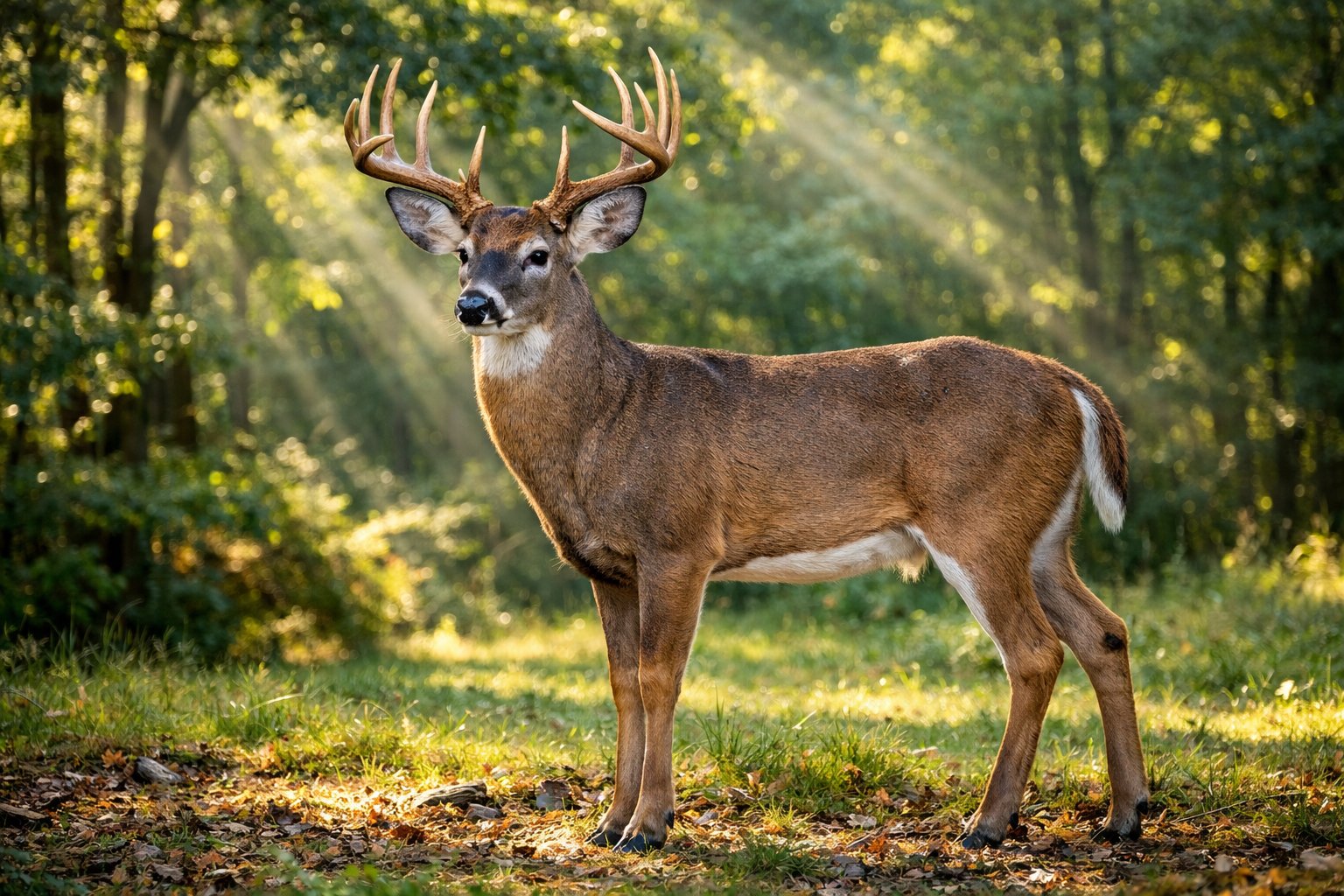
If you want to judge maturity, keep an eye on the deer’s body shape, neck thickness, and antler size.
I’ll talk through how age and nutrition shape growth, plus some simple ways to tell if a deer’s done growing.
Age and Maturity of Fully Grown Deer

You’ll find out when deer actually stop growing, how species and sex change the timeline, and what physical or behavioral signs show a deer’s fully mature.
Typical Ages When Deer Reach Full Size
White-tailed deer usually finish most of their body growth by age three. Their long bones and body length are done growing by then, but muscle and fat keep filling out into the 4–6 year range.
Bucks look a lot different between 1.5 and 3.5 years as they move from lanky yearlings to real adults.
Mule deer grow in a similar way, though some populations take a bit longer to reach full skeletal size. You probably won’t see a full-grown coat of muscle or top antlers until at least 4–5 years old if they live in a good spot.
Fawns stay clearly smaller through their first winter and usually double in weight by their first birthday.
Differences Between Species and Sexes
Species really do matter. White-tailed deer can mature faster if they’ve got plenty to eat, while mule deer in tougher areas take their time.
Elk and bigger deer species just need more years to fill out compared to smaller deer. Nutrition and genetics in your local herd actually matter more than just which species you’re looking at.
Sex makes a difference, too. Does start breeding by 1.5 years but often need until 2.5–4.5 years to hit adult body size.
Bucks keep developing later, especially because antler growth takes so much energy. Many bucks don’t reach their best antlers and muscle until 4.5 to 6.5 years.
Things like hunting pressure or how crowded the area is can shift these averages in real deer herds.
Physical and Behavioral Signs of Full Growth
Check for a blocky chest, thick neck, and a deep, round body—these all tell you a deer’s filled out. For bucks, a heavy neck and broad chest outside of winter mean full maturity and good nutrition for antlers.
If you get a look at a jaw, tooth wear on molars and premolars gives you the best clue about age.
Behavior helps, too. Mature deer stick to regular trails and keep tighter home ranges. Bucks act more confident during the rut.
Does that have steady pregnancies and regular fawns by age 2–3 show the population’s pretty stable and mature.
If you want more details on aging deer, the Institute for Environmental Research has good photos and guides.
How to Determine if a Deer Is Fully Grown

You can spot a fully grown deer by looking at its body shape, antler form, and teeth. Deep chest, thick neck, heavy antlers, and worn adult teeth—those are your main clues.
Body Size, Shape, and Physical Features
Start with the deer’s overall build. Mature bucks have a deep, wide chest and a heavy brisket that can hang down to the belly.
The belly sometimes sags lower, and the back might droop a bit compared to younger deer. Legs look shorter in proportion because the torso and chest bulk up.
During the rut, check the neck and shoulders. A mature buck’s neck gets thick and stays that way, even when he’s resting.
Older bucks also have darker tarsal gland stains on the hind legs. Use trail camera photos across different seasons to compare how the same deer changes over time.
Watch for muscle tone, too. Mature deer have firm, rounded muscles around the shoulders and hips.
Younger deer still look sleek and a bit angular. These visual signs help you decide if a deer finished growing.
Antler Development and Antler Size
Antler size isn’t the only sign of maturity, but it sure helps. Deer usually hit their biggest antlers between 4.5 and 6.5 years old, depending on what they eat.
Look for thick beams, heavy bases, and real mass—not just a bunch of points.
Compare beam diameter and mass in trail-cam photos from year to year. When antler spread passes the ears and you see more palmation or mass, you’re probably looking at a mature deer.
Antler growth also depends on nutrition and genetics, so don’t just guess age from antlers alone.
Mature bucks keep their antler size pretty consistent from year to year if food and health stay good. If you see big swings in antler size, the deer might still be developing or dealing with changing habitat.
Tooth Wear Patterns and Tooth Replacement
When you can, check the teeth—it’s a practical way to estimate age. Deer have all their permanent molars by about 1.5 years old.
After that, look for wear on the cusps. The first molar starts showing dentine earlier, and by 3.5–5.5 years, you’ll notice flattening on several molars.
Pay attention to the fourth molar. Its enamel and dentine pattern can help you sort deer into age groups.
Sharp cusps and tall enamel mean a younger adult. Broad dentine and flat cusps show a mature or older deer.
Dental aging isn’t perfect, since wear changes with diet and habitat. Use tooth wear with body and antler clues to make fewer mistakes when aging deer for hunting or wildlife management.
Scientific Methods: Cementum Annuli and Lab Analysis
If you want a precise age, go for cementum annuli analysis. Labs actually count the growth rings in the cementum layer of an extracted tooth, giving you a calendar age.
This method really shines when you need accuracy that body or antler clues just can’t provide.
Matson’s Laboratory and a few others handle cementum annuli analysis, then send back an age to help wildlife managers or hunters confirm maturity.
You’ll need to send them a clean molar and follow their instructions for storage and shipping. It’s not too complicated, but you definitely don’t want to mess up the sample.
Keep in mind, lab analysis isn’t free and you do have to sacrifice a tooth. So, is it worth it? Probably—if you need solid data for studies, harvest records, or managing a herd.
Try combining lab results with what you see out in the field. That way, you get the full picture.


