
If you’re wondering whether your deer meat is safe, trust your senses. Bad venison usually hits you with a sour or rotten smell, looks gray or green instead of that deep red, or just feels slimy.
Notice a strong off-odor, weird color, or slippery feel? Get rid of the meat — those are big warning signs it’s gone bad.
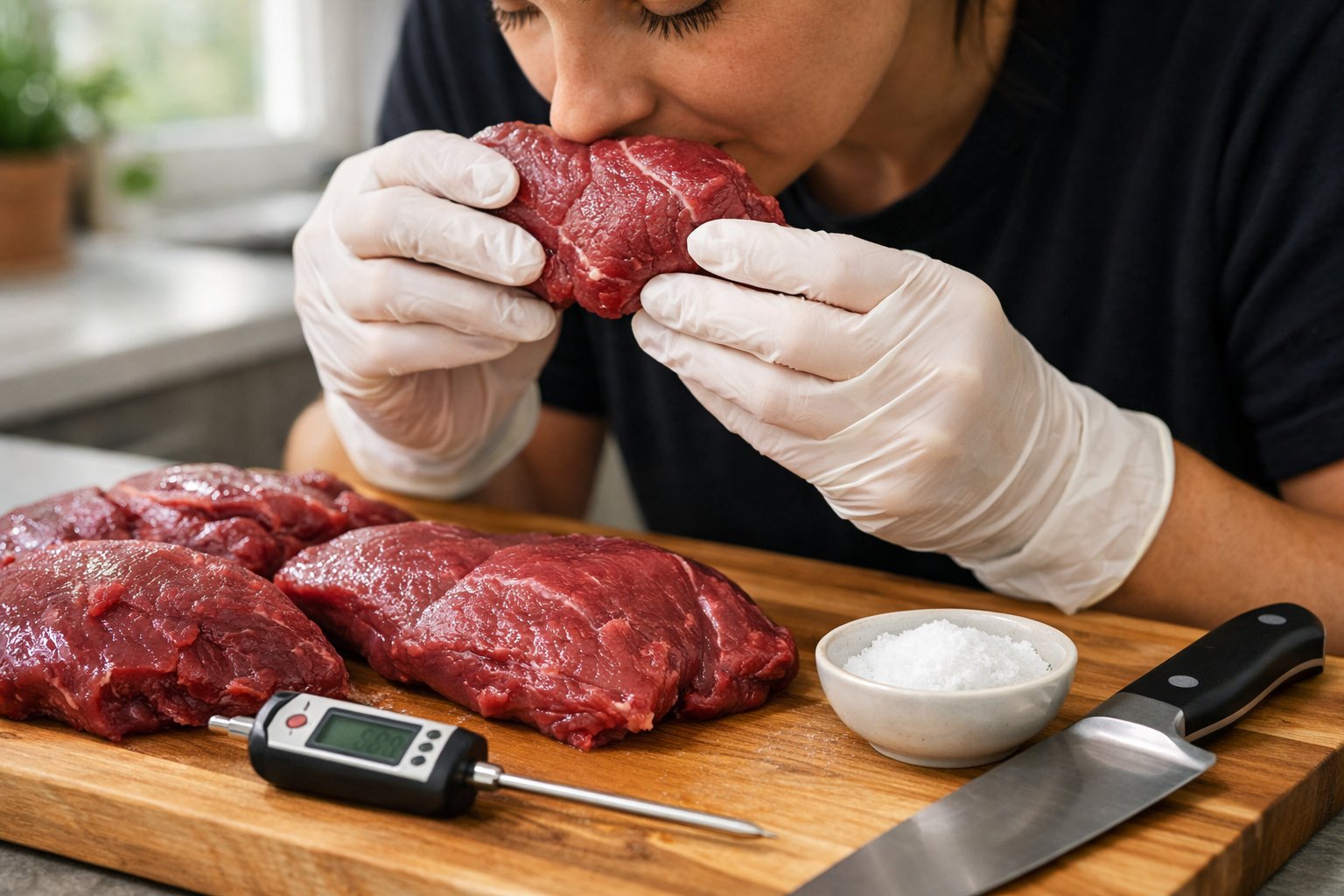
This guide walks you through the main signs of spoilage, what they mean, and when eating that meat just isn’t worth the risk.
You’ll also find some simple tips for storing and handling venison, so you can actually enjoy your hard-earned harvest without worry.
Identifying Spoiled Deer Meat

You can check venison pretty quickly by using your nose, eyes, and hands.
Watch for strong off odors, weird colors or mold, and any slimy or mushy feel—these are the main red flags.
Smell Changes and Off Odors
Open up the meat and give it a sniff right away. Fresh deer meat smells mild and a bit gamey.
If you get a sharp sour, putrid, or ammonia-like whiff, the venison has probably gone bad. Throw it out.
Even after thawing frozen deer meat, trust your nose. Frozen venison might lose some smell, but it shouldn’t make you wrinkle your nose.
If the thawed meat smells rotten or chemical, skip cooking it. Strong odors usually mean bacteria or fat breakdown has started.
Visual Signs: Discoloration and Mold
Check the color all over the cut. Good deer meat looks deep red or burgundy.
If it turns dull brown, greenish, or has dark patches on the edges, that’s not a good sign.
Seeing brown all over after a while in storage might just mean oxidation, but green or fuzzy areas? That’s mold.
Don’t just cut off moldy bits and hope for the best. Mold can go deeper than you think.
Look at the fat too. If it’s yellow or dark, it might be rancid.
If you spot weird colors or any mold, it’s safest to toss the meat.
Texture: Sliminess and Unusual Consistency
Touch the meat with clean hands. Fresh venison feels firm and a little springy.
Spoiled meat usually feels slimy, sticky, or tacky. That slimy film comes from bacteria and means it’s time to get rid of it.
Watch out for mushy or spongy spots that don’t bounce back. Freezer burn, though, makes meat dry and tough—not slimy.
Freezer-burned meat doesn’t taste great, but you can eat it. If it’s slimy or feels off, don’t risk it.
Common Indicators in Frozen Deer Meat
After you thaw venison, check the smell, color, and texture right away.
Frozen deer meat shouldn’t stink after thawing. If it does, it’s probably spoiled.
Look for gray-brown spots or a wet, sticky surface—these show spoilage, especially after bad freezing or thawing.
Freezer burn shows up as dry, pale or grayish patches and a tough feel. It’s safe, just not tasty.
If you see freezer burn plus a bad smell or sliminess, throw it out. Thaw meat in the fridge and cook it within two days for best safety.
How to Prevent Spoilage and Ensure Safety

Keep your meat cool, clean, and dry from the moment you make the shot until you store it.
Quick cooling, clean cuts, and airtight wrapping help keep bacteria away and lock in flavor.
Proper Field Dressing and Initial Handling
Act fast—remove organs and cool the carcass within two hours if it’s warmer than 50°F (10°C).
Use a sharp, clean knife and cut away any dirty spots. Try not to puncture the gut.
Only rinse if the meat isn’t dirty; too much water can spread bacteria and slow down cooling.
Hang the carcass or big chunks so air can move around the meat. Strip off fat and membrane that hold in heat.
Keep the meat out of the sun and away from bugs. Game bags work well to keep flies off while letting air in.
Wear disposable gloves if you have cuts on your hands. Keep your tools and surfaces clean.
Label each cut with the date and temperature, so you know how long it’s been sitting before you freeze or process it.
Safe Storage: Refrigeration and Freezing Techniques
Cool fresh cuts to 38°F (3°C) or lower within a day.
You can keep it in the fridge for 3–5 days, but if you’re not processing it soon, freeze it.
Break meat into meal-sized packs and get as much air out as possible—vacuum sealing or wrapping tightly in heavy plastic and freezer paper helps prevent freezer burn.
Freeze at 0°F (-18°C) or even colder. Once thawed, cook venison right away and don’t refreeze unless you’ve cooked it first.
Label your packages with the cut and date. For long-term storage, use a chest or deep freezer that stays at a steady temperature.
Don’t thaw and refreeze over and over—quick freezing keeps the texture better and lowers bacteria risk.
Risks of Bacterial Growth and Foodborne Illness
Bacteria thrive between 40°F and 140°F (4°C–60°C). If you leave meat in that temperature range for over two hours, you’re basically inviting Salmonella, E. coli, and a bunch of other nasty pathogens.
If your meat smells sour, feels slimy, or has weird green or gray patches, just toss it. Don’t even think about keeping it.
Yeah, botulism from Clostridium botulinum doesn’t happen often with properly handled venison. But if you mess up canning or vacuum-packing, and then store it somewhere warm? That’s a recipe for trouble.
Don’t ever taste meat to see if it’s safe. If you notice bulging packaging, funky smells, or some odd film on the meat, throw it out without a second thought.
For ground venison, cook it to an internal temperature of 160°F (71°C). For whole cuts, aim for 145°F (63°C) and let it rest for three minutes.
If you’re not sure about the meat, it’s honestly better to be safe and just get rid of it.


