
Maybe you love venison for that lean, wild flavor—honestly, it’s hard to beat. Still, eating deer meat comes with some real downsides you shouldn’t ignore. You risk exposure to parasites, bacteria, lead from bullets, and, though rare, the serious threat of chronic wasting disease if you don’t handle or test the meat properly.
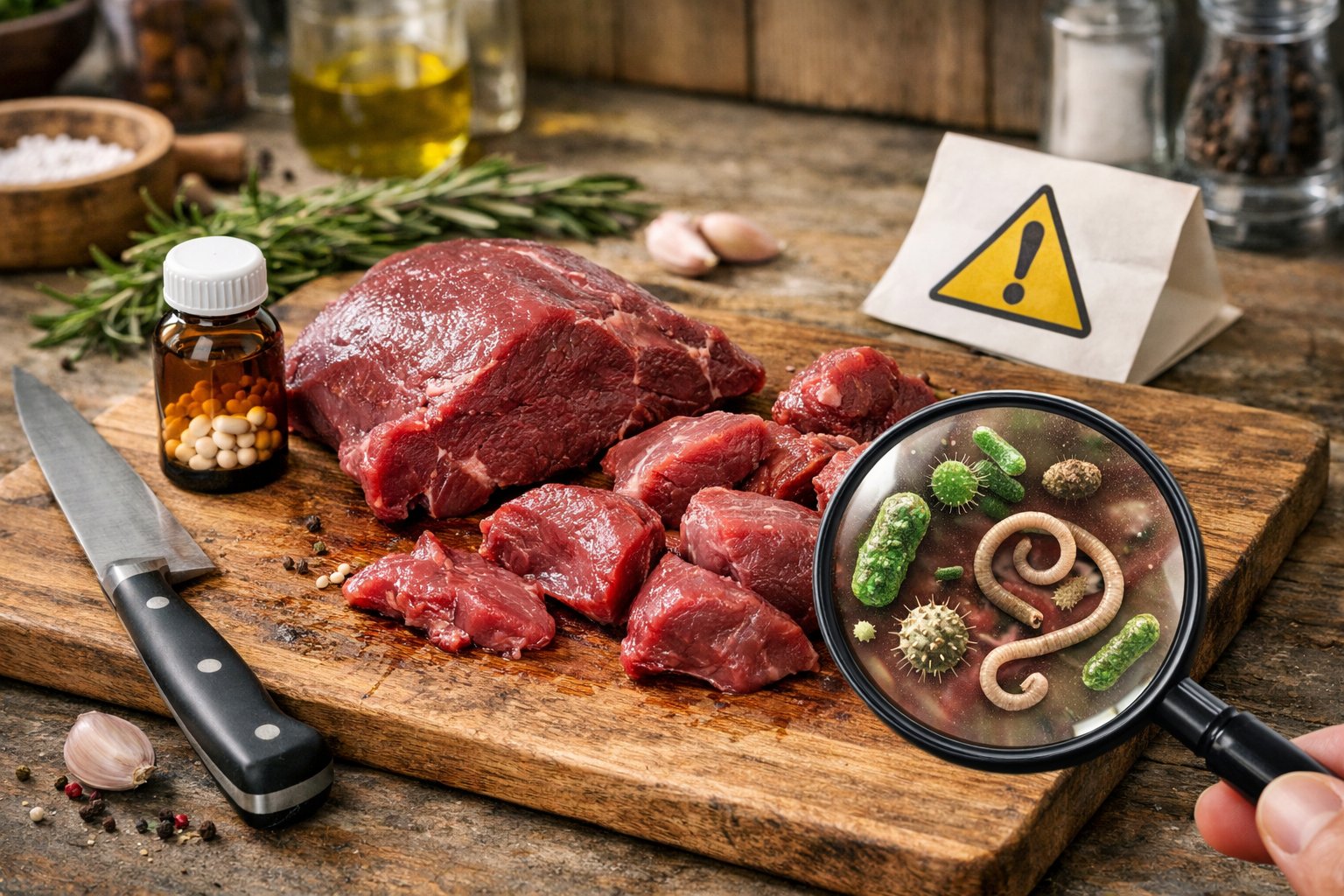
Wild game isn’t always easy to get, and it can be tricky to cook just right. There’s also the whole debate about hunting methods and animal welfare—definitely something to consider.
Let’s dig into the major safety, nutritional, and environmental trade-offs, so you can decide if deer meat actually fits your diet and your values.
Health Risks and Safety Concerns

When you eat or handle deer meat, you face a few specific hazards. Watch out for disease risks, lead, bacteria, and parasites, and don’t skip safe field-dressing and cooking steps.
Chronic Wasting Disease (CWD) and Other Diseases
CWD is a prion disease that hits deer, elk, and moose. Scientists haven’t confirmed that CWD jumps to humans, but prions are tough—they survive normal cooking and stick around in muscle and lymph tissues.
If you hunt in a CWD area, always get your animal tested before eating it. Don’t cut through the brain, spinal cord, or lymph nodes when dressing the deer.
Other diseases like brucellosis and bovine tuberculosis can spread if you handle infected tissue or eat meat that’s not cooked enough. Wear gloves when field dressing, avoid touching organs, and toss meat from animals that seemed sick or acted weird.
Check with your local wildlife agency for CWD zones and rules about carcass disposal. Testing helps, but if an animal tests positive, don’t eat it—just follow local advice for getting rid of the meat.
Lead Contamination from Ammunition
Lead from regular bullets can break into tiny bits in the meat near the wound. If you eat that part, you could end up with lead in your system. Kids and pregnant folks are especially at risk—lead can mess with development and the nervous system.
To play it safe, cut away meat several inches from the wound. If you see any fragments, just discard that tissue. Honestly, switching to non-lead bullets like copper is even better—they don’t shatter as much and cut down on contamination.
Some states even recommend or require non-lead ammo in certain areas. If you’re grinding meat for burgers or sausage, don’t use trimmings from around the wound. Grinding can spread lead shards through the whole batch.
Bacterial and Parasitic Infections
Deer can carry bacteria like E. coli, Salmonella, and Campylobacter. These bugs live on hides and in the guts. If you accidentally puncture the intestines while dressing, you might contaminate the meat—and if you don’t cook it enough, you could get sick.
Parasites are another issue. Deer can carry Toxoplasma gondii, Trichinella, and tapeworms. Cooking kills most parasites, so heat whole cuts to at least 145°F (63°C) and ground venison to 160°F (71°C). Freezing doesn’t always kill Trichinella in wild game.
Wear gloves, keep your knives and surfaces clean, and don’t snack while dressing game. If the meat smells weird, looks strange, or the deer seemed off, just don’t eat it—get it tested or toss it, following local rules.
Foodborne Illness and Improper Handling
If you don’t cool and store deer meat quickly, bacteria can multiply fast. After a kill, chill the carcass right away and keep the meat under 40°F (4°C) during transport and storage.
Warm temperatures during field dressing make spoilage more likely. Cross-contamination happens a lot—use separate cutting boards, clean your tools, and wash your hands often.
When grinding meat, use only chilled cuts and clean the grinder between batches. Cooking to the right temperature kills most germs, but bad handling before cooking can still make you sick.
Raw or undercooked deer meat is risky. It’s just not worth the chance of E. coli, Salmonella, or parasites. If you’re unsure, get the meat inspected and check your state’s deer meat safety guidance.
Environmental, Ethical, and Practical Disadvantages
There are some trade-offs here. Hunting can help control deer populations, but it can also mess with ecosystems, raise tough animal-welfare questions, and create headaches like unpredictable taste and limited supply.
Impact of Hunting on Wildlife and Biodiversity
Hunting changes things for different species. In places with too many deer, hunting can help forests bounce back by cutting down on overbrowsing. That’s good for young trees and species that need thick cover.
But if hunters target certain ages or sexes, it can mess up population balance and genetics long-term. In areas with moose or elk, bad management can shrink herds and hurt predators that rely on them.
Habitat loss from roads and development usually causes more problems than hunting, but extra hunting pressure can make things worse for already struggling populations. Good management and clear rules really matter.
Look for hunting plans based on science and ongoing conservation work if you care about biodiversity.
Animal Welfare and Ethics of Hunting
Eating wild game means making some ethical choices. A perfect shot brings a quick death, but things don’t always go that way. Sometimes, hunters miss or use the wrong gear, which means animals suffer longer.
Regulations and hunter education help, but mistakes still happen. People see deer hunting differently depending on why and how it’s done.
If you hunt for food or population control, most folks find that more acceptable than hunting just for sport. Larger animals like moose and elk raise even more concerns—one bad shot can mean a lot of suffering.
If animal welfare matters to you, stick to meat from well-regulated hunts or sources that prove humane practices.
Taste, Texture, and Availability Challenges
Venison tastes distinct—kind of gamey, honestly—and not everyone’s into that. Younger deer usually taste milder, especially if you butcher them well, but older animals or certain organs can really amp up that wild flavor.
If you overcook venison, its leanness makes it go dry fast. I usually reach for a marinade, add some extra fat, or slow-cook it to keep things tender.
Getting venison depends a lot on where you live. Sometimes you’ll only spot fresh deer, elk, or moose during hunting season or from local hunters. That makes the supply unpredictable, unlike beef or pork, which you can find almost anywhere.
There are some risks, too. Hunters sometimes use lead ammo, and parasites can be an issue, so you’ll want to trim around wounds and follow any local testing rules—especially if chronic wasting disease is a concern. If you prefer a steady, reliable supply and predictable flavor, you might just find commercial meats simpler to deal with.


