
Ever been outside at night and heard a sharp, dog-like bark echo through the dark? That’s probably a deer. Deer often bark at night to warn others about danger, show distress, or mark their territory. If you hear that sound, something nearby has probably startled them.

If you listen closely, you’ll notice that barks can come from does, fawns, or certain species like muntjacs that just seem to have a lot to say. The rest of this article digs into how alarm calls, mating, and the environment shape those nighttime barks—and what you might spot near your own backyard.
Understanding Deer Barking at Night
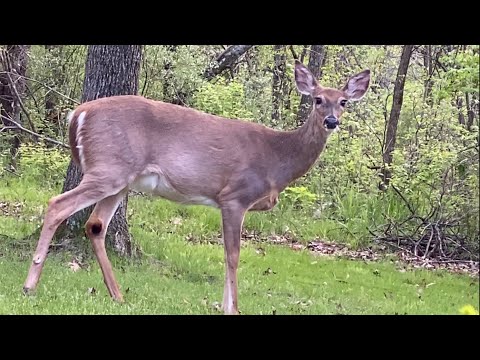
You’ll learn what a deer bark actually sounds like, how different species use these calls, why deer get vocal at night, and how their evening routines affect all that noise. The focus stays on specific facts—sounds, species, and what causes those calls.
What Does a Deer Bark Sound Like?
A deer’s bark is short and sharp, kind of like a dog’s bark or maybe a harsh cough. It’s usually high-pitched and abrupt, designed to get attention fast.
Sometimes you’ll hear just one bark, sometimes a quick series. Alarm barks are loud and choppy. If a deer’s really upset, the barks can repeat and get more intense. Most of the time, that sound comes from a forceful exhale through the mouth or even the nostrils.
Along with barking, deer might stomp, flash the white underside of their tail, or freeze in place. Those extra signals help other deer figure out where the danger is hiding.
Comparison of Barking Among Deer Species
Some deer just bark more. Muntjacs (or barking deer) are especially noisy and will bark even at little disturbances. You’ll hear them during breeding season or when they’re having territorial disagreements.
White-tailed deer don’t bark as often. When they do, it’s usually a quick alarm—maybe a doe protecting her fawn or a buck surprised by something lurking. Fallow and red deer sometimes bark or grunt, mostly when they’re excited or during mating season.
Different species have their own sound. Muntiacus reevesi (the common muntjac) will let out a bunch of sharp barks in a row. Bigger deer like red deer have deeper, less frequent barks, and they’ll mix in some grunts too.
Primary Reasons for Nighttime Barking
Most of the time, deer bark at night to warn about predators or people getting too close. When they sense coyotes, dogs, or humans, they bark to alert the rest of the herd and maybe even scare off the threat.
Deer also bark if they’re hurt, trapped, or really stressed. A doe with a fawn might bark to get her baby’s attention or to lead it away from danger. Bucks sometimes bark during the rut to challenge rivals or just show they’re agitated.
Sometimes, deer get curious about strange noises, or they want to show off their territory. The timing and pattern of the bark can usually tell you if it’s about danger, distress, or something related to mating.
Role of Nocturnal and Crepuscular Behavior
Deer are mostly crepuscular, meaning they’re busiest at dawn and dusk. But in areas with lots of people, they’ll shift to being more active at night. That’s why you might hear more barking after dark.
When humans move in, deer start feeding and moving around at night to avoid us. Predators hunting at night make deer even more alert, so alarm calls go up. Things like moonlight and temperature can also change how often you hear those barks.
Deer adapt their habits to survive, so barking at night might be more common in suburbs, parks, or areas where people and wildlife cross paths.
Factors Influencing Deer Barking at Night

Deer bark at night for a few clear reasons: to warn each other, defend their space, or react when something startles them. Here’s how predators, social signals, people, and the seasons all play a role in those sharp calls.
Predator Presence and Alert Signals
When coyotes or wolves come around, deer bark to warn the herd and then either freeze or run. You’ll hear those quick, high-pitched barks when a deer spots movement at the edge of the woods or hears a distant howl. These calls carry well at night, which helps the group escape when it’s hard to see.
Barking also helps fawns hiding in thick cover find their mothers. If you’re hiking in places like Kaeng Krachan National Park, you might notice more alarm calls where predators are common. More predators mean more urgent, frequent calls.
Communication and Territory
Deer use barks to share quick, important info—like “danger’s here!” or “this spot’s mine.” Bucks bark during short chases to show dominance or push rivals away from a good feeding patch. You’ll hear these calls near rutting grounds or where they’ve marked their territory.
Does call to gather their scattered fawns before moving to a new spot. Barking keeps the group together when it’s dark and hard to see. Sometimes, deer use these sounds to warn others to stay away from a particular trail or food source, protecting their territory.
Human Impact and Habitat Fragmentation
People and hunting pressure make deer more vocal at night. You’ll notice more barking where roads, lights, or neighborhoods break up their habitat and force them to move when it’s dark. Sudden noise or a person walking by can set off a string of alarm barks.
When forests get chopped up, deer end up in smaller patches and bump into each other more. That means more competition and more barking to claim space or warn about danger. In places with heavy hunting, deer start avoiding daylight and get noisier at night to stay safe.
Seasonal Patterns and the Deer Rut
Barking ramps up fast during the rut. Bucks bark as they look for does or push rivals away.
You’ll catch these calls mixed with grunts and snorts. They get louder and more frequent after sunset, right when deer are most active.
Food plays a role too. In late fall, calories really matter, so deer head out at night to feed and might bark if someone or something spooks them near a good food patch.
When it’s cold, they try to save energy, but the rut keeps them moving. That’s why you’ll hear even more barking at night during those chilly spells.


