
When a deer stares at you, it’s not judging you. Honestly, you’re just a moving puzzle it has to figure out.
Let’s get into what that stare really means. I’ll cover how deer use their senses to size you up, and what you can do so everyone stays calm and safe.
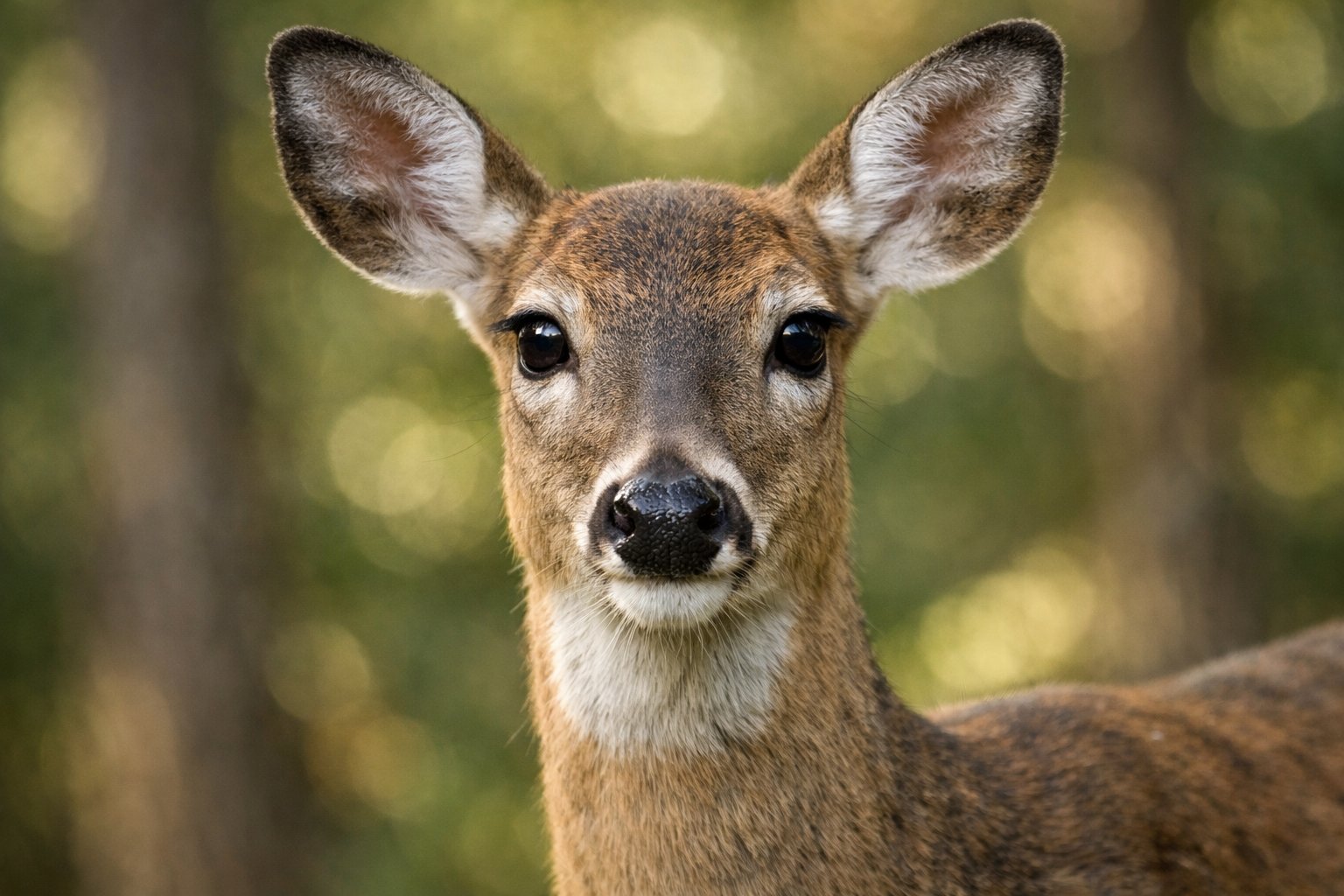
A deer usually looks at you to freeze and gather information. It holds still to decide if you’re a threat, just something odd, or not worth the effort.
This behavior connects to how they see, hear, and smell what’s around them.
You’ll find signs that show if a deer’s just curious, on alert, or about to make a run for it. There are also a few simple things you can do to avoid scaring it off.
Why Do Deer Stare at You?

Deer often stop and stare to judge risk and gather information. Sometimes, they even warn others with that look.
Their stare mixes curiosity with a quick survival check. It can also signal a response to food or people nearby.
Curiosity Versus Caution
When a deer looks at you, it might just be curious—especially if it’s a fawn or a younger deer. They’ll hold their gaze to figure out what that strange shape or sound actually is.
You might see them tilt their heads or shift for a better look. It’s kind of endearing, honestly.
Adults get more cautious. Since their eyes sit on the sides of their head, they get a wide view but not much depth. So, they’ll stare to figure out if you’re coming closer or just standing there.
If you stay calm and quiet, the deer usually relaxes. Sometimes it’ll just go back to nibbling plants.
Warning and Communication
A deer’s stare can warn others. Bucks and does use ear position, tail flicks, and that intense gaze to send signals.
If a deer stares and stamps a hoof, it’s telling nearby deer to stay sharp.
You can read those signals, too. Ears pinned back, a raised tail, and a hard stare mean the deer’s on high alert.
If you see ears forward, a relaxed tail, and just a quick glance, it’s probably just curious. Watch out for stomping with the stare—usually, that comes right before it bolts and warns the rest of the group.
Freeze Response and Survival Instincts
Freezing and staring go hand in hand for deer. When something weird pops up, they’ll stop moving and lock their gaze.
That helps them learn more without giving away their spot. It’s a pretty clever move—less motion means less chance a predator will spot them.
If you notice a deer freeze and stare, don’t walk closer. Any movement from you might trigger a sprint.
Deer make quick decisions during that staring pause: stay or run. Give them that moment, and you’ll both avoid any drama.
Feeding and Human Encounters
Feeding changes everything. Deer that get food from people sometimes stare out of hope, not fear.
They start to expect snacks and may even walk up, watching to see if you’ll hand something over.
Don’t feed deer, though. Giving them food makes them too comfortable and puts both of you at risk.
If you run into a staring deer near a park or your yard, just back away and make sure there’s nothing around to attract them. That helps deer act wild again and keeps everyone safer.
How Deer See and Interpret Humans
Deer use sight, smell, and hearing all at once to notice you. They rely more on wide vision and movement than on picking out colors.
Their eyes work best for catching motion and seeing in low light. Body language and past experiences shape how they react, too.
Deer Vision and Wide Field of View
Deer have their eyes set wide on the sides of their head. That gives them a crazy wide field of view—almost 300 degrees for a whitetail.
They hardly have any blind spots. This helps them notice anything moving at the edge of their vision without even turning their head.
But their vision isn’t as sharp as ours. Details look fuzzy to them.
If you stand still and blend in with some cover, a deer might not realize you’re a person until you move.
Their vision works together with their sense of smell and hearing. So, being quiet and not smelling like a human helps more than perfect camo.
Motion Detection and Depth Perception
Deer spot movement like pros. Their eyes have tons of rod cells that pick up the tiniest shifts in light or motion.
Even a small twitch might catch their attention. If you need to move, do it slowly—sudden moves almost always send them running.
They don’t judge distance very well. With eyes set far apart, they get less overlap than we do, so depth perception isn’t their strong suit.
That means they have trouble judging how far away small, still objects are. Using slow, careful movements and natural cover helps you avoid looking like a threat.
Dichromatic Vision and Night Vision
Deer see mainly blues and yellows—they’re dichromatic. Reds and oranges kind of blend in or look dull to them.
That bright hunter orange vest? It might just look grayish to a deer, but if your clothes reflect UV light, you’ll stand out.
Skip the shiny or UV-bright gear if you want to blend in.
Deer have a reflective layer in their eyes (the tapetum lucidum) that boosts their night vision. They see way better than you do at dawn and dusk.
If you bump into deer at those times, try to keep your outline low and avoid sudden moves. Low light exaggerates movement, making you easier to spot.
Body Language and Non-Verbal Signals
Deer focus way more on your posture and movement than your face. If you stand still, maybe a bit upright, and just make slow, subtle movements, deer usually see you as harmless.
But if you start waving your hands, turning your head quickly, or making any chasing moves, they’ll bolt.
Watch the deer, too. When a deer lifts its head, points its ears forward, and just stares, it’s definitely on alert. On the other hand, if it drops its head to graze and its ears twitch around at sounds, it’s probably relaxed.
Give them space. Move downwind if you can, and let trees or brush hide you a bit. That way, you’re less likely to spook them.
If you’re curious about how deer see colors or UV light, check out this overview: how deer see humans.


