
You can absolutely eat wild deer in the UK, as long as you follow the right rules. When trained stalkers harvest deer and process the meat in approved facilities, you can safely and legally buy and eat venison.
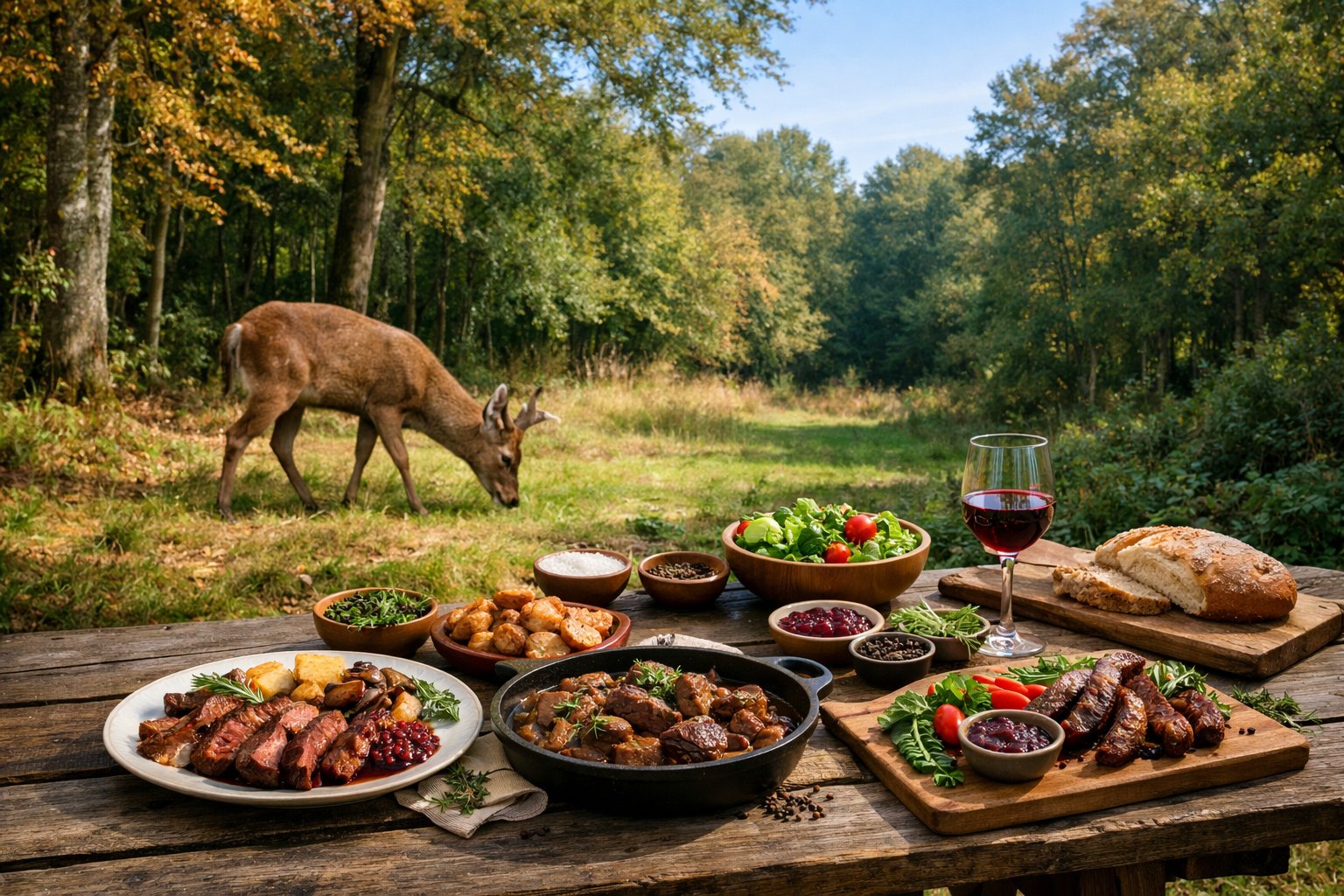
Before you tuck in, though, you’ll want to know about safety checks, hygiene, and how to spot properly sourced venison. This article lays out the law, health precautions, and tips for finding trustworthy suppliers so you can enjoy wild venison without any nagging worries.
Is It Legal to Eat Wild Deer in the UK?
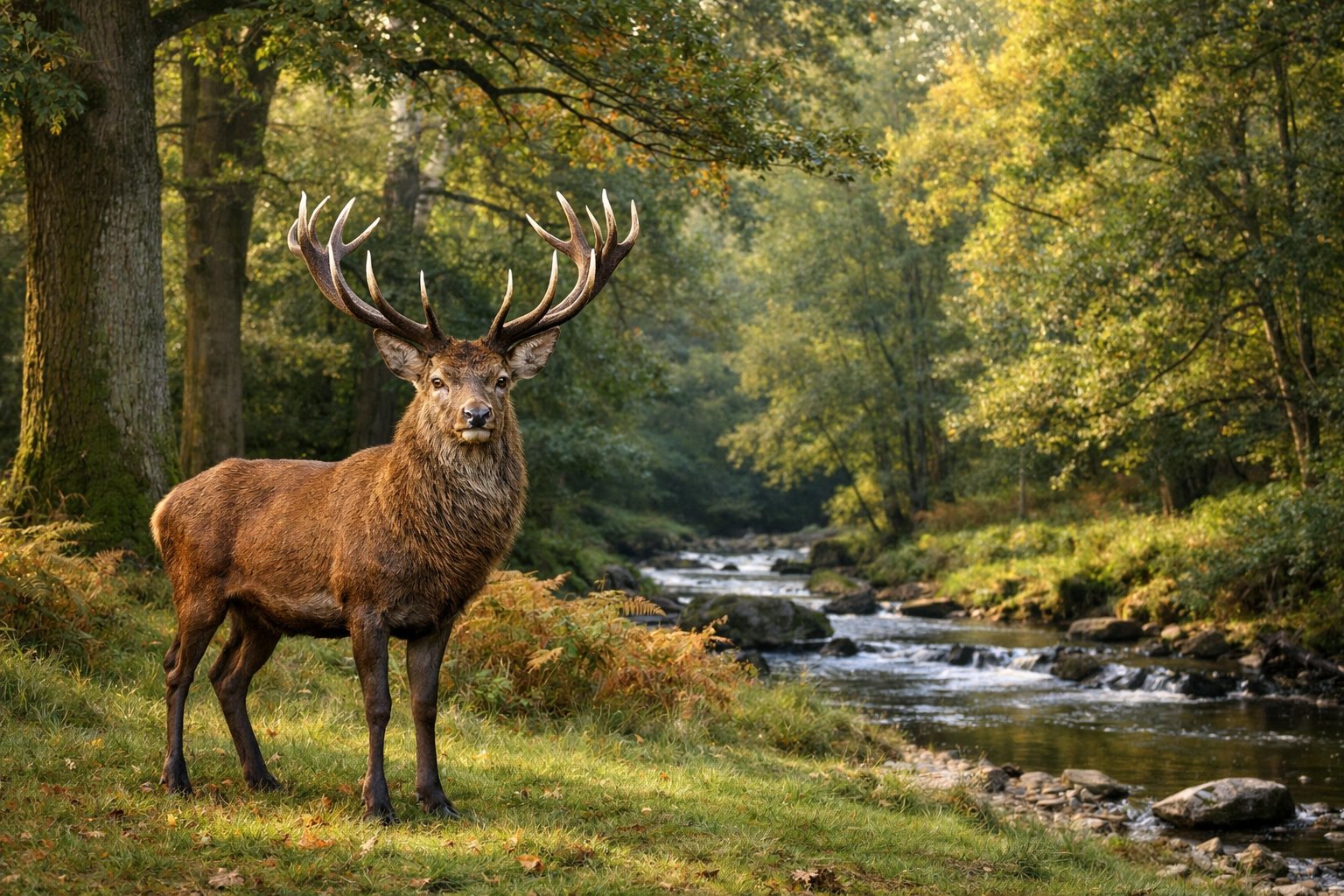
You can legally eat wild deer meat in the UK if you follow the rules. The law covers which deer species you can eat, who’s allowed to shoot them, and where you can process the carcass.
UK Deer Species Allowed for Consumption
Several wild deer species end up on British plates. You’ll find native red and roe deer, plus fallow, sika, muntjac, and Chinese water deer—some of them non-native, but all accepted as game meat when harvested legally.
Always keep disease risks in mind. Don’t eat meat from animals that seemed sick or acted oddly. If you’re buying wild venison, check that your supplier can trace it back to the estate or stalker.
Farmed deer are a different story—they fall under regular livestock food rules and have to come from registered premises. For wild deer, the main thing is sticking to game-handling rules to keep the meat legal and safe.
Key Legal Regulations and Licensing
The Deer Act 1991 sets the rules for how and where you can kill deer. Certain methods and times are off-limits. The Hunting Act 2004 also plays a role, but it doesn’t ban eating legally taken venison.
Trained stalkers, licensed by recognised bodies, do the shooting. They inspect and process carcasses in an Approved Game Handling Establishment (AGHE) or meet game meat hygiene rules themselves. That’s how they make sure the meat is safe and fit for sale.
When you buy wild venison, ask for paperwork that shows who shot it, where, and how it was processed. That traceability proves they followed hygiene and animal-welfare rules—and helps you steer clear of dodgy or unsafe meat.
Deer Management Practices
Deer management keeps populations in check and protects crops, forests, and local wildlife. Estates and land managers use culling, controlled stalking, and habitat work to manage red, roe, fallow, sika, muntjac, and water deer.
They keep records of where animals were shot, who did it, and how they handled the carcasses. These records connect to food safety checks if the meat goes to market.
Good management lowers disease risk and improves meat quality. If you’re buying wild venison, stick with suppliers who work with accredited stalkers and approved processing facilities. That way, you know your meat came from responsible management.
Safety and Health Considerations When Eating Wild Deer

Clean handling, testing in some places, and proper cooking really matter for safety. Venison is pretty nutritious, but it all depends on how you field dress, butcher, and cook it.
Proper Field Dressing and Butchering
Field dress the deer right away to cool the carcass and cut down contamination. Wear disposable gloves, remove the guts and organs carefully, and keep the body cavity clean. Work fast so the carcass gets below 5°C (41°F) within a few hours—use ice or a refrigerated van if you can’t hang it in a cool place.
Use sharp, clean knives and a sanitized surface when skinning and butchering. Cut at least a 5 cm (2 in) margin around any wound channel to avoid lead or bacteria. If you grind meat, clean the grinder between batches and maybe add fat for better flavor and texture. Label and vacuum-seal your cuts, then freeze at -18°C (0°F) or cook within a few days.
Health Risks: Chronic Wasting Disease and Other Diseases
Chronic wasting disease (CWD) affects deer in some parts of the world. In the UK, we haven’t seen CWD in wild deer, but you still shouldn’t eat animals that looked sick, acted weird, or were found dead. If you hunt in an area with known CWD cases, get the deer tested and skip the brain, spinal cord, eyes, spleen, and lymph nodes.
Other risks? Bacterial contamination like E. coli or Salmonella from sloppy handling, and lead fragments from bullets. Use non-lead ammo or trim generously around the wound. Always cook ground venison to 71°C (160°F), and whole cuts to at least 63°C (145°F) with a rest. Wash hands, equipment, and surfaces with hot soapy water or a bleach solution after processing.
Nutritional Value of Venison
Venison is a lean wild game meat. It packs a lot of protein and barely any fat. If you cook up 100 grams, you’ll get somewhere between 20 and 26 grams of protein. That’s less saturated fat than beef, so it’s a nice pick if you’re keeping an eye on calories or fat.
You’ll find plenty of iron and zinc in venison. Your body absorbs the heme iron here really well, which can help keep anemia at bay. Zinc’s great for your immune system and helps with healing cuts or scrapes.
There’s also a solid amount of vitamin B12 and other B vitamins. Since venison is so lean, try adding a bit of fat while cooking. It’ll help the meat stay juicy and taste better.


