
Ever find yourself asking if venison is still safe or tasty a full day after the kill? Honestly, it might be fine after 24 hours, but a lot depends on how you handled the deer and what the weather was like.
If you field-dressed the deer quickly, kept it clean, and the temperature stayed at or below 40°F (4°C), chances are the meat’s still good after a day.
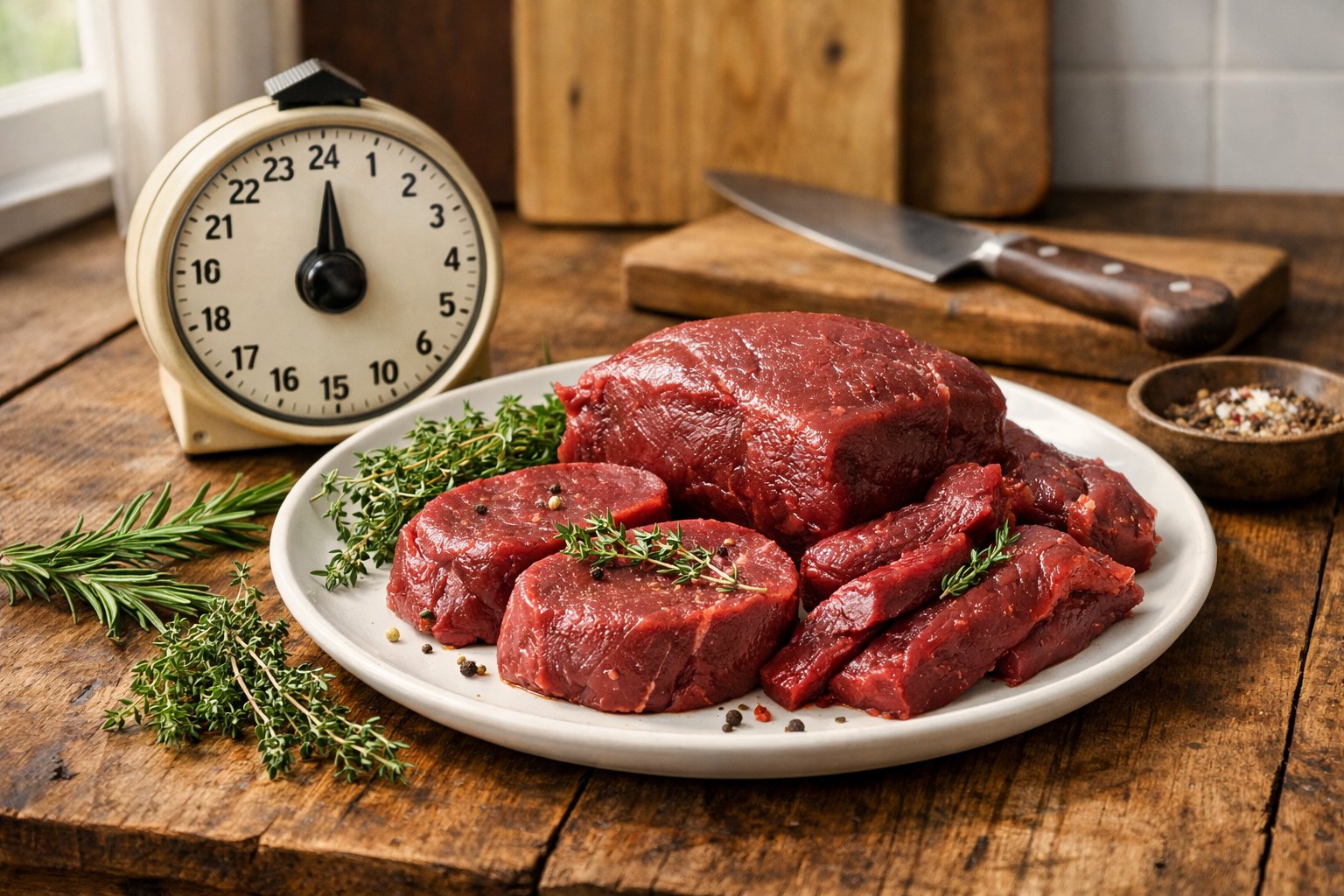
Pay attention to the smell, color, and texture. Move fast to cool and store the meat if things got warm or you had any delays.
Let’s get into how temperature, handling, and a few basic steps can make all the difference in that 24-hour window—and what you can do to keep your venison in top shape.
How Long Is Deer Meat Good After 24 Hours?

If you cooled the carcass quickly and kept it clean, you can probably still eat the venison after a day. But if the deer sat out warm, or bugs and dirt got to it, the meat can go bad pretty fast.
Temperature and Environment Impact
Temperature honestly matters most. If you kept the meat at or below 40°F (4°C), you bought yourself a lot more time.
When it’s closer to 50°F, bacteria don’t stop growing—they just slow down. A whole deer sitting at that temp can spoil in 12–24 hours, especially if it’s humid or the sun’s beating down.
Freezing nights help a ton, but warm, sunny afternoons can ruin things quickly.
Humidity and airflow play their part too. Dry, shaded air cools the meat faster. If you hang the deer in a breezy shed, it’ll keep better than in a damp, stuffy garage.
Direct sun, wet fur, or pressing the carcass against the ground? That’s just asking for trouble.
Field Dressing Timing and Methods
You really should field dress right away. Take out the organs and let the inside cool off.
Cut the belly open carefully—don’t nick the guts. Rinse away blood and dirt with clean water if you have it, but don’t soak the meat.
Keep the chest cavity open and hang the deer by its back legs so air can move through. Use gloves and clean tools.
If you’re far from a fridge, pack ice inside the body or toss the quarters in a cooler. Quick, clean work keeps bacteria down and gives you more time before things turn bad.
Recognizing Signs of Spoiled Deer Meat
Start with the smell. Fresh venison doesn’t really smell like much—just meaty. If it’s sour, rotten, or chemical-smelling, it’s spoiled.
Check the texture and color next. If the meat feels slimy or sticky, or looks green, brown, or just plain off, bacteria or enzymes have done their thing.
Look out for maggots, flies, or bugs around wounds or the cavity. If you cook a piece and it tastes weird, just spit it out and stop there.
Better safe than sorry—if you’re unsure, toss it. It’s not worth getting sick over questionable venison.
Best Practices for Preserving Deer Meat
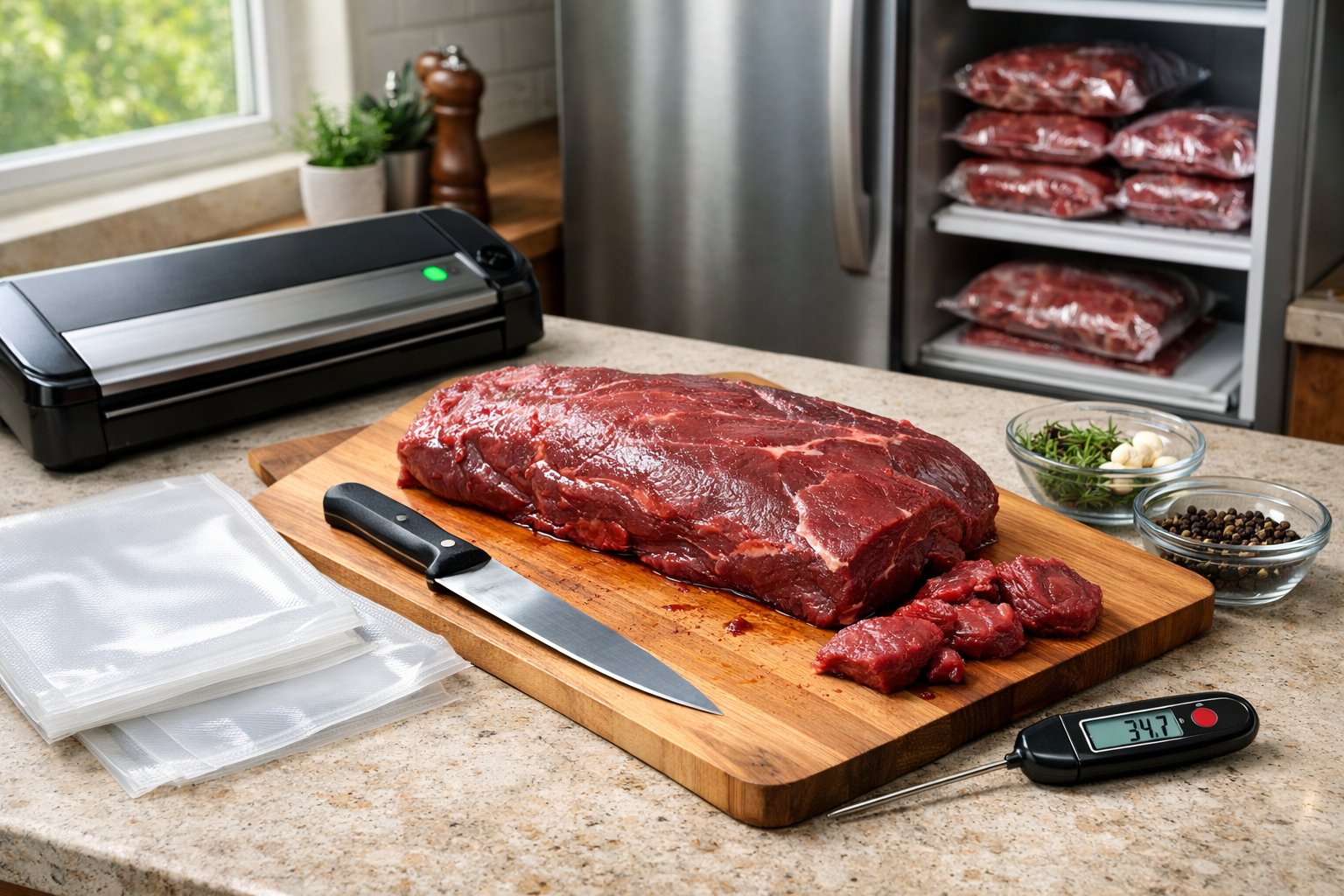
You need to work fast and keep things clean. Cold temps are your best friend for safe, tasty venison.
Focus on gutting the deer quickly, cooling it down, and keeping your tools and workspace clean while you move the meat to the fridge or freezer.
Proper Field Dressing Techniques
Start field dressing as soon as you can after the shot. Lay the deer on its back, make a shallow cut from the chest to the pelvis, and open it up. Be careful—don’t cut into the stomach or intestines.
Getting the organs out drops the internal temp and keeps bacteria from spreading.
Use a sharp knife and gloves. If it’s warm out, skin the deer to help it cool.
Keep the chest open for airflow and, if you can’t chill it right away, toss some ice inside.
Trim away any meat that got damaged or bruised. If you want to keep organs, bag them and get them on ice.
Don’t let your tools touch the ground—keep them clean so you don’t get dirt or hair on the meat.
Cooling and Storing Deer Carcass
Hang the deer in the shade with plenty of airflow. You want the inside temp under 40°F (4°C) as soon as you can get it there.
Use ropes or gambrels to hang the deer so air can move all around.
If it’s hot, open up the body and put ice packs or bags of ice inside. Cover the meat with a clean tarp or game bag—keep bugs and dirt off, but let air in.
When you’re hauling the meat, use a cooler packed with ice. Don’t stack heavy stuff on top of your venison.
Stick a thermometer in the cooler if you can, just to keep tabs on the temp.
Refrigeration and Freezing Venison
Try to process or cut up the meat within a day. If you can’t, stash it in the fridge whole or in big pieces at 34–40°F (1–4°C).
Wrap cuts tight in butcher paper or vacuum seal them before freezing. That keeps out air and stops freezer burn.
Freeze at 0°F (-18°C) or colder for long-term storage. Label everything with the cut and date.
Use ground venison soon, or freeze it right away. Only grind what you’ll eat within a week—seal and freeze the rest.
If you’re grinding meat, chill it first. Cold meat grinds better and has a nicer texture.
Vacuum-sealed venison keeps for months in the freezer and still tastes great.
Preventing Contamination After the Hunt
Keep everything as clean as you can. Wash your hands, knives, cutting boards, and even your vehicle bed with hot, soapy water after you field dress.
If you can, scrub non-porous surfaces with a bleach solution—just a tablespoon of bleach in a quart of water does the trick.
Try not to let the carcass touch the ground. When dragging, use a clean game bag or a tarp to keep dirt, hair, or who knows what else off your meat.
If you spot any tissue that looks discolored or feels slimy, just cut it away and toss it.
Put edible organs on ice right away, and either process or cook them the same day if you can swing it.
Before you eat certain parts, maybe check your local guidance about chronic wasting disease risks. Better safe than sorry, right?


